

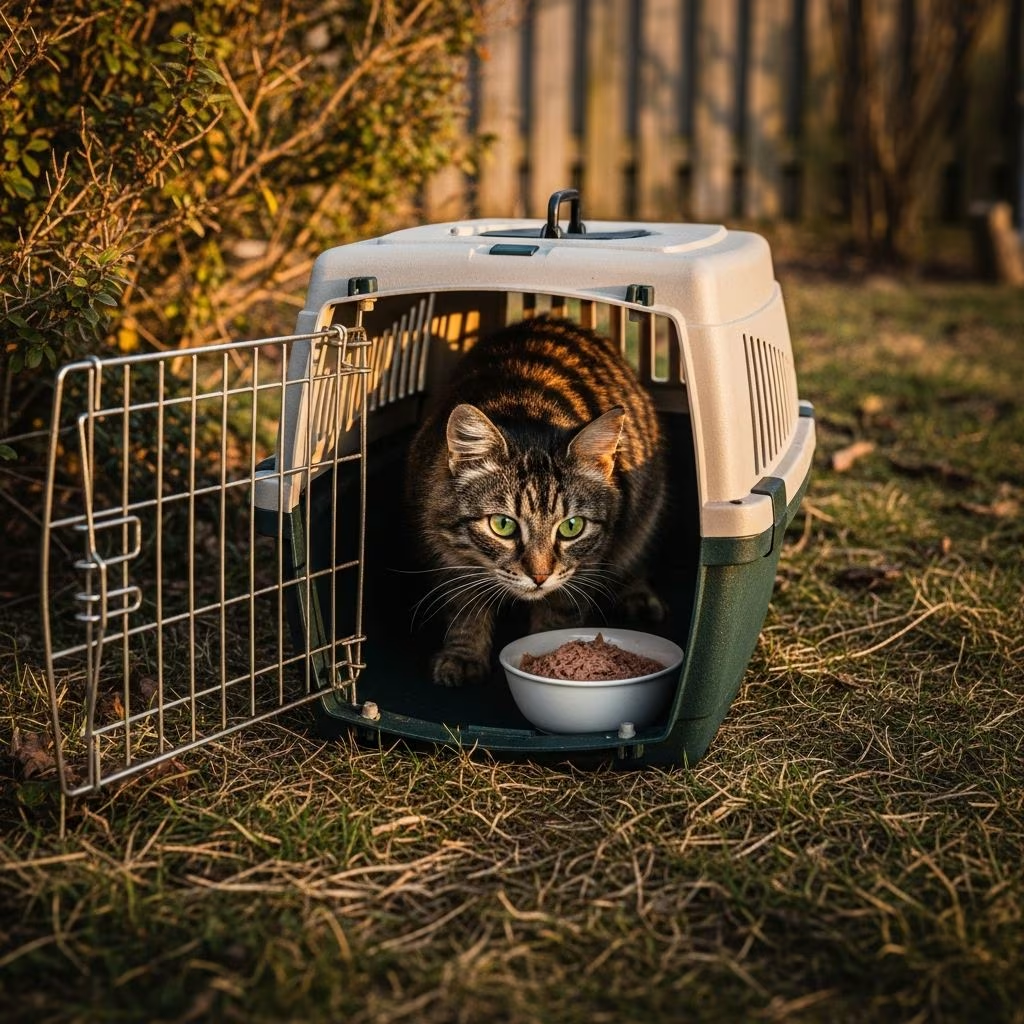
Transporting a feral cat can be challenging due to their fear of humans and unfamiliar objects. Feral cats, often wary from limited socialization, require patient, low-stress methods to enter a carrier safely. This guide covers preparation, gentle techniques, and training to make the process humane and effective, drawing from veterinary and rescue best practices.
Understanding Feral Cats and Carriers
Feral cats live independently and view carriers as threats. Unlike pet cats, they lack trust, making force counterproductive—it increases stress and injury risk. Success relies on gradual desensitization and positive associations. Veterinary experts emphasize short sessions and familiarization to build comfort over time.
**Key Challenges:**
- High flight response triggers hiding or aggression.
- Previous negative experiences amplify fear.
- Need for TNR (Trap-Neuter-Return) demands reliable methods without harm.
Choosing the Right Carrier for Feral Cats
Select a sturdy, escape-proof carrier with secure latches. Hard-sided plastic carriers are ideal for ferals as they are durable and easy to clean. Top-loading models allow overhead entry, reducing cornering stress. Ensure multiple doors for flexibility and line with absorbent material like puppy pads for accidents.
| Carrier Type | Pros | Cons | Best For Ferals? |
|---|---|---|---|
| Hard-Sided | Durable, secure, easy to sanitize | Heavier | Yes |
| Soft-Sided | Lightweight, portable | Less secure, harder to clean | No |
| Top-Loading | Easy overhead placement | May scare if dropped | Yes, with caution |
Preparation Steps Before Attempting Entry
Acclimate the cat to the carrier days or weeks in advance. Place it in a quiet, accessible spot with the door propped open. Add familiar scents like used bedding or your worn clothing to create a ‘den’ effect.
- Leave carrier visible 24/7 to normalize it.
- Sprinkle treats or food near entrance initially.
- Feed meals inside over time to build positive links.
For ferals in traps, transfer carefully to avoid escapes. Use gloves and work in confined spaces like bathrooms to limit hiding.
Method 1: Positive Reinforcement Training
Train ferals like pet cats using treats, though progress is slower. Short 1-2 minute sessions prevent saturation.
- Bottom Half Only: Disassemble carrier; reward approaching, then entering with jackpot treats (e.g., tuna, chicken).
- Add Top: Secure lid open; repeat steps, increasing stay time.
- Door Practice: With cat inside, slowly close/open door while treating.
- Movement: Lift, carry short distances, rewarding calm behavior.
- Top Entry: Secure lid; lure via top opening if preferred.
Timeline: Kittens in days; adults months with daily sessions. Monitor body language—dilated pupils signal stress; stop immediately.
Method 2: Towel Wrap Technique (Low-Stress Handling)
For immediate needs, use a towel to immobilize without harm. Ideal for resistant ferals.
- Approach Calmly: Corner gently in small room; drape towel over from behind.
- Wrap Securely: Cover head first, then body with forearms pinning sides. Forearms on ground for control.
- Scoop and Place: Lift wrapped cat; tilt carrier for ‘slow dump truck’ entry—slide in head-first, lift straight up.
- Secure: Close door quickly but gently.
This prevents scratches/bites. Practice under supervision if new to low-stress handling.
Method 3: Trap Transfer and Baiting
For outdoor ferals, use humane traps first, then transfer. Bait carrier with strong-smelling food (chalis, sardines) at back.
- Confine to bathroom 1 hour pre-transport.
- Place carrier on side, opening up; drop cat in.
- Cover trap fully during transfer to reduce visibility/stress.
Safety Tips During Transport
Once inside, cover carrier with a blanket to block light/sounds. Secure in car with seatbelt on flat surface; avoid direct sun. Drive smoothly; short trips first to acclimate.
- Use pheromone sprays (Feliway) for calming.
- Never leave unattended in car.
- For vets, inform staff of feral status for gentle handling.
Common Mistakes to Avoid
Avoid chasing or grabbing—escalates fear. Don’t rush training; force leads to learned helplessness. Skip small carriers; ensure ventilation.
Frequently Asked Questions (FAQs)
What if the feral cat won’t eat treats near the carrier?
Use strongest motivators like baby food or meat. Hunger increases motivation—try before meals. Patience is key; days may pass.
Can I use this for TNR programs?
Yes, these methods support TNR. Trap first, then train for future carriers. Consult local rescues for drop traps.
How long to leave carrier out for acclimation?
Minimum 1-2 weeks; ideally permanent fixture. Rotate locations if multi-cat home.
What if towel technique fails?
Practice or seek pro help. Use larger towel; have assistant hold carrier steady.
Is training possible for very aggressive ferals?
Yes, but slower. Focus on desensitization; some need vet sedation for initial trips.
Long-Term Benefits
Trained ferals mean easier health checks, reducing population via TNR. Less stress improves outcomes; carriers become safe havens. Rescuers report success in disaster evacuations too.
Expand training to car rides: Short drives with treats post-trip. Consistency yields cooperative cats over time.
References
- Teach Your Cat To Go Into A Carrier—Without A Struggle — Fear Free Happy Homes. 2023-05-15. https://www.fearfreehappyhomes.com/teach-your-cat-to-go-into-a-carrier-without-a-struggle/
- Teach Your Cat to Love the Carrier — Wisconsin Humane Society. 2024-02-10. https://www.wihumane.org/behavior/ask-the-experts/cat-behavior/teach-your-cat-to-love-the-carrier
- How to Get a Reluctant Cat into the Carrier — YouTube (Dr. Foote, Low-Stress Handling). 2022-08-20. https://www.youtube.com/watch?v=cpMbTgi_k6c
- 10 Tips to Help Conquer the Dreaded Cat Carrier — Four Paws. 2023-11-05. https://fourpaws.org/10-tips-to-help-conquer-the-dreaded-cat-carrier/
- Getting The Cat In The Carrier — Middlebrook Animal Hospital. 2024-01-12. https://www.middlebrookanimal.com/getting-the-cat-in-the-carrier.pml
- Acclimating Your Cat To A Carrier — Anti-Cruelty Society. 2023-07-18. https://anticruelty.org/pet-library/acclimating-your-cat-carrier



