

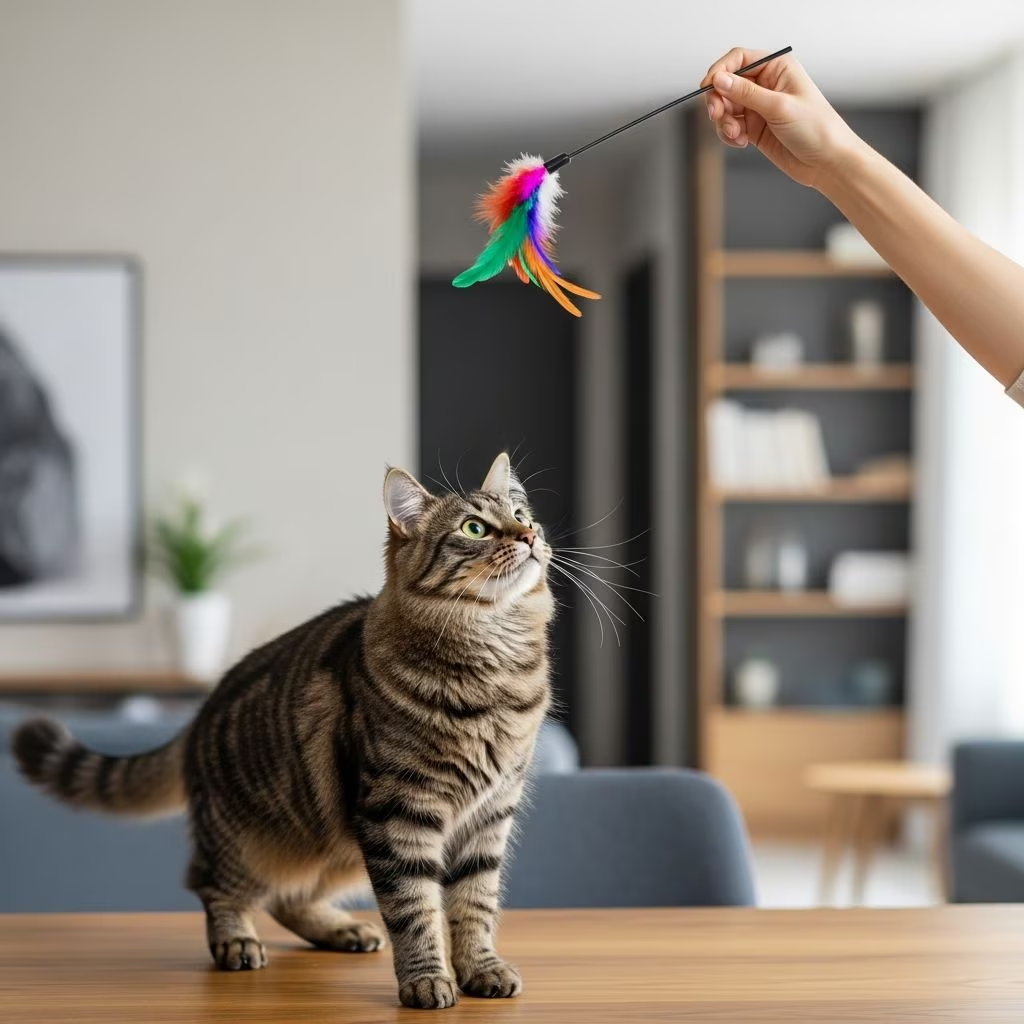
Cats are independent creatures with unique personalities, making it challenging to grab their focus when they’re not in the mood. Understanding feline behavior is key to building a strong bond without overwhelming them. This guide outlines 12 vet-approved strategies to respectfully capture your cat’s attention, fostering trust and encouraging voluntary interaction. Whether your kitty ignores you during playtime or you want more cuddles, these methods prioritize patience and positivity for lasting results.
The 12 Ways to Get a Cat’s Attention
Each technique draws from expert insights on cat psychology, emphasizing non-intrusive approaches that align with how cats naturally communicate and respond. Patience is essential—cats decide when they’re ready to engage.
1. Don’t Be Pushy
Cats thrive on autonomy, and forcing interaction can lead to avoidance or stress. When introducing yourself to a new cat or rekindling attention from a familiar one, resist the urge to chase or scoop them up. Instead, sit quietly nearby, allowing them to observe you from a safe distance. This mirrors their predatory instincts, where they assess situations before approaching. Over time, your cat will initiate contact, signaling trust. Rushing this process often backfires, as cats associate pushiness with discomfort, retreating further into hiding spots or aloof behavior.
Give them space to explore their environment first. New cats especially need days or weeks to acclimate. Place their food, litter, and bedding in quiet areas, and avoid direct eye contact initially, which can feel threatening. Once comfortable, they’ll rub against you or meow for attention, flipping the dynamic naturally.
2. Be in a Good Mood
Felines are highly attuned to human emotions, picking up on stress through body language, tone, and pheromones. Attempting to engage a cat while frustrated or anxious often results in them mirroring your tension or withdrawing entirely. Approach interactions when you’re relaxed and positive—perhaps after a walk or meditation—to transmit calm energy. Cats respond best to upbeat vibes, increasing the chances of play or affection.
Observe how your mood shifts their reactions: a cheerful “hello” might prompt a tail flick of interest, while a sigh could send them scampering. Cultivate this by practicing mindfulness around your pet, ensuring sessions end on a high note to reinforce positive associations.
3. Use Toys or Stimulation
Play taps into a cat’s innate hunting drive, making it one of the most reliable attention-grabbers. When ignored, deploy feather wands, laser pointers, or crinkle balls to mimic prey movement. Short, 5-10 minute bursts prevent overstimulation. Toys like Hepper’s Catnip Stick Toys, filled with organic catnip, combine durability with irresistible appeal, encouraging vigorous engagement.
Not every cat responds instantly; respect their mood. If uninterested, store toys away and retry later. Rotate options to maintain novelty—cats bore easily. This method not only secures attention but boosts physical health and mental sharpness, reducing boredom-related issues like scratching furniture.
4. Try Grooming
Grooming sessions mimic social bonding in wild cat colonies, where mutual licking strengthens ties. Use a soft brush on areas they enjoy, like the back or sides, to invite closeness. Start slowly if they’re hesitant, rewarding with purrs or head bumps. Regular grooming removes loose fur, prevents hairballs, and signals care, often leading to voluntary lap time.
Choose tools matching coat type: slicker brushes for longhairs, rubber mitts for short coats. Watch body language—relaxed ears and kneading indicate enjoyment. This tactile approach builds affection without demanding reciprocation upfront.
5. Offer Pets
Target sweet spots like behind the ears, under the chin, or base of the tail, where scent glands heighten pleasure. Extend a gentle hand and let them lean in. Even brief pets can transition to longer interactions if they reciprocate with purring or rubbing.
Avoid belly or paws unless invited, as these are vulnerable areas. Slow, rhythmic strokes from head to tail promote relaxation. If they walk away, respect it—forced petting erodes trust.
6. Offer Your Hand
An outstretched hand serves as a neutral invitation, associating with pets or play. Hold it palm down at their level, allowing investigation via sniffing. Nibbling signals play; head-rubbing means affection time. This low-pressure tactic works well for shy cats.
Keep still to avoid startling. Positive responses reinforce hand as a safe cue, gradually increasing approachability.
7. Use the Treats
Treats exploit food motivation powerfully. Offer a favorite type sparingly to summon them, then pivot to play or pets. Follow-up engagement prevents treat-only expectations. High-value options like freeze-dried chicken amplify effectiveness.
- Pros: Immediate response from most cats.
- Cons: Overuse leads to weight gain; limit to 10% daily calories.
Combine with training for commands, enhancing overall responsiveness.
8. Call Your Cat
Use their name in a cheerful, consistent tone. Responsive cats come running; acknowledge with play or treats to encourage repetition. Inconsistent follow-through diminishes reliability.
Test at mealtimes first to build association. Breeds like Siamese are vocally attuned, while others ignore calls—adapt accordingly.
9. Talk to Your Kitty
A soothing voice draws verbal cats, eliciting meows or purrs. Narrate actions softly: “Who’s ready for play?” This conversational style fosters emotional bonds, especially for vocal breeds.
Consistency in tone builds recognition. Observe replies—chirps indicate engagement.
10. Use Sounds
“Pspsps,” kissy noises, or treat bag shakes trigger curiosity via high-pitched frequencies mimicking prey or food. Deploy sparingly to maintain novelty.
Personalize: crinkle food bags work wonders. Avoid overuse, which desensitizes.
11. Associate a Word With Feeding Time
Repeat phrases like “dinner time” at meals. Cats link words to routines, responding eagerly elsewhere—but reserve for feeding to manage expectations.
This Pavlovian cue strengthens communication without tricks.
12. Give Them Catnip
Catnip (Nepeta cataria) induces euphoria in 70-80% of cats via nepetalactone. Sprinkle on toys or scratchers for playful frenzy. Effects last 10-15 minutes; sensitivity varies.
- Safe for occasional use; kittens under 6 months unresponsive.
- Enhances toy appeal, securing prolonged attention.
Understanding Cat Body Language
Decoding signals prevents missteps. Positive cues: slow blinks, upright tail, head bunting. Negative: flattened ears, swishing tail, hissing. Respect boundaries to encourage interaction.
| Positive Signs | Negative Signs |
|---|---|
| Slow blinks, purring, kneading | Hissing, growling, ear flattening |
| Head rubbing, rolling over | Back arched, rapid tail swish |
| Tail held high | Running away, scratching |
Frequently Asked Questions (FAQs)
What if my cat ignores all these methods?
Assess health first—lethargy signals vet visits. Otherwise, increase environmental enrichment like puzzle feeders. Patience yields results.
Is it okay to ignore my cat to get attention?
No; ignoring builds resentment. Respond positively to their initiations for mutual respect.
How often should I try getting attention?
2-3 daily sessions, 10-15 minutes each. Match their energy peaks, like dawn/dusk.
Do kittens respond differently?
Yes, more playful but easily overstimulated. Short bursts with toys ideal.
Can treats replace play?
No; balance with stimulation for health. Treats lure, play sustains bonds.
References
- How to Get a Cat’s Attention: 12 Vet-Approved Tips & Methods — Catster. 2023. https://www.catster.com/lifestyle/how-to-get-a-cats-attention/
- How to Approach a Cat (10 Great Vet-Verified Tips) — Catster. 2023. https://www.catster.com/cat-health-care/how-to-approach-a-cat/
- The Secret to Getting Your Cat to Love Your New Kitten — Catster. 2023. https://www.catster.com/lifestyle/the-secret-to-getting-your-cat-to-love-your-new-kitten/
- How to Pet Your Cat & Find Special Places They Love — Catster. 2023. https://www.catster.com/lifestyle/how-to-pet-your-cat/



