

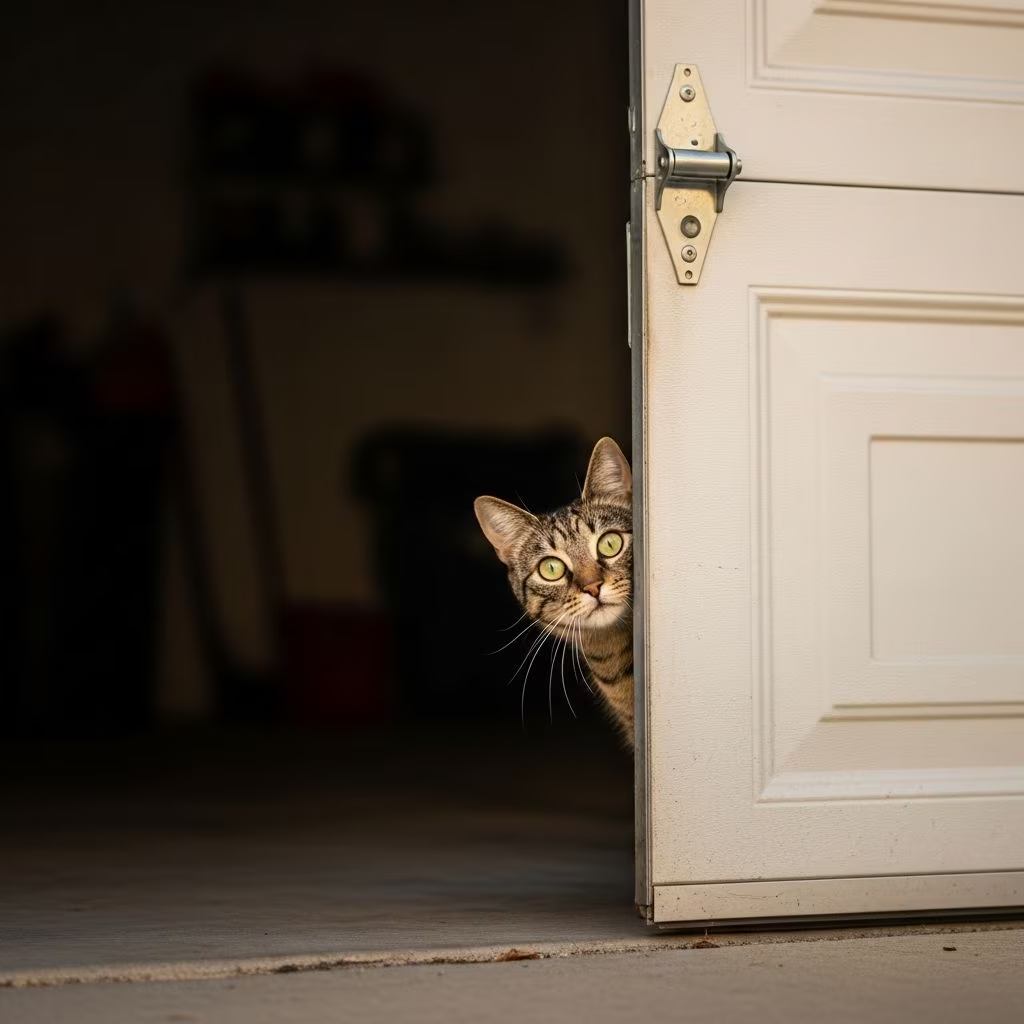
Cats are curious explorers, often wandering into garages seeking shelter, food, or warmth. Whether it’s your beloved pet or a wary feral cat, getting them out safely requires patience, strategy, and humane methods. This guide outlines 11 vet-reviewed tips to encourage a cat to exit your garage without stress or harm. These approaches work for both indoor pets and community cats, prioritizing welfare and effectiveness.
Garages present unique challenges: cluttered hiding spots, limited visibility, and potential hazards like tools or chemicals. Feral cats may be territorial, while pets might hide from perceived threats. Always assess the situation—ensure the garage is secure to prevent re-entry, and consult local authorities for feral cat trapping laws. Patience is key; rushing can scare the cat deeper into hiding.
The 11 Tips to Get a Cat Out of Your Garage
1. Call to Them
Sometimes, the easiest solution is staring us right in the face. This method works better with pet cats, but you can attempt it with a feral cat if you’re trying to lure them out so you can shut the garage.1 Use a calm, familiar voice and get down to their level if they seem approachable. Avoid tones that sound scolding, as cats associate them with punishment and may flee further. Speak softly, repeating their name or soothing phrases like “come here, kitty.” For pets, mimic your usual calling routine with food bowl shakes or meows. This builds trust and draws them toward the exit.
Position yourself near the door, leaving it propped open. If the cat emerges, resist grabbing immediately—let them approach voluntarily. Success rates are high for bonded pets, but ferals may only peek out. Combine with other lures for better results.
2. Use Treats
Who doesn’t love a yummy treat? Whether you’re trying to get a feral cat out of the garage or your pet cat back inside, treats can make an outstanding solution.1 High-value options like tuna, wet food, or commercial treats release strong aromas that travel far, irresistible to hungry cats. Place a trail from suspected hiding spots to the open door, starting sparse and thickening near the exit.
Keep in mind that while treats make it a lot easier to get the cat out of the garage, they can also act as a reward system that encourages them to get into the garage in the first place.1 If you have a secure way to keep them out afterward, this isn’t a huge deal. For ferals, use people-food sparingly to avoid health issues. Monitor from afar to avoid startling them mid-approach.
3. Use a Trap
Before using a pet trap, it’s best to consult your relevant local authorities to find out the most up-to-date information about the legality of trapping a cat (or another animal).1 A cat that’s placed in a trap should only be left in the trap for as little as possible once captured. This is not ideal for pet cats but effective for ferals making your garage home. Use humane traps like those recommended for TNVR (Trap-Neuter-Vaccinate-Return) programs.2
Put an extremely enticing bait inside, such as canned food or sardines, and position near the door. Cover the trap with a towel to camouflage and calm the cat post-capture.2 Cats learn quickly, so one shot per cat—once triggered, they avoid similar setups. For mothers, place a kitten in a secure container behind the trap; maternal instinct draws her in. Release ferals nearby after any needed care, never relocate, as it risks their survival.2
4. Shake a Box of Dry Food
The familiar rattle of kibble is music to a pet cat’s ears. Stand outside the garage shaking a box or bag of their regular dry food, calling their name simultaneously.1 This auditory cue mimics mealtime routines, prompting conditioned responses. For ferals, it may intrigue if they’ve associated the sound with feeders. Trail kibble from inside to out, but sparingly to avoid waste.
Enhance with verbal cues. Pets often bolt toward the sound, forgetting hiding instincts. If no response, combine with treats for multi-sensory appeal.
5. Use Their Favorite Toys
Toys tap into a cat’s playful nature. Dangle feather wands, strings, or balls near the door to entice emergence.1 For hidden cats, drag toys along the floor, mimicking prey movement. Favorites like mice or bells trigger hunting drives, overriding fear. Avoid aggressive play that stresses them.
This works best daylight hours when cats are active. Pets respond quickest; ferals may watch cautiously before pouncing.
6. Introduce Another Cat (With Caution)
Instinctively, all cats are territorial and won’t welcome intruders.1 Introducing a familiar cat can provoke the hidden one to defend territory, chasing it out. Use only known companions to minimize fights. Monitor closely—injuries or dual hiding can occur.
Not for ferals or multi-cat homes with aggression histories. Safer alternatives exist first.
7. Use a Laser Pointer
Cats love laser pointers! When they see the light shining and moving along the ground, they really can’t help themselves.1 Guide the dot from garage to yard or house, avoiding eyes to prevent damage or stress. For ferals, chase leads outdoors; pets follow to you.
Despite controversy for play, it’s effective luring. Stop once out—prolonged use frustrates without capture.
8. Use Catnip
Some cats react favorably to catnip, investigating eagerly.1 Sprinkle or wave toys laced with it near the exit. About 70% of adults respond, going euphoric. Not all cats (kittens under 6 months don’t), and effects wane with overuse.
Fresh or dried works; place trail for sniffing. Combine with toys for potency.
9. Make Some Noise
Making noise might make the cat hide further or bolt out desperately—a high-risk, high-reward last resort.1 Clap, bang pots, or use air horns near hiding spots, directing toward open door. Effective deterrent post-removal.
Neighbor/pet considerate; avoid if cat’s cornered, risking panic injuries.
10. Create Some Open Space
If feasible, clear clutter—fewer hides mean easier spotting and exit pressure.1 Cats prefer concealed spots; openness exposes them, prompting departure. Move boxes, tools systematically while calling/luring.
Not always practical, but transforms cluttered garages into visible spaces. Safer tracking reduces stress.
11. Wait It Out
Patience pays—cats self-exit when hungry/thirsty, especially pets awaiting meals.1 Leave door ajar, remove food/water inside, monitor via camera. Secure other entries. Combine with periodic lures. Works overnight; check traps/humanely.
Why Do Cats Go Into Garages?
Garages offer shelter from weather, predators, prey hunting, warmth (engines), or food scraps.1 Strays seek safety; pets explore curiosity. Clutter provides perfect hides. Prevent by sealing gaps, securing doors, removing attractants.
Reader FAQ
What Should I Do if I Find Kittens in My Garage?
Leave with mother if possible—moving stresses her. If must relocate, trap humanely, use TNR resources.2
How Can I Prevent Cats from Entering My Garage Again?
Seal openings, remove food, use motion lights/sensors, humane deterrents like citrus sprays.
Is It Legal to Trap Feral Cats?
Check local laws; many support TNR. Use humane methods, release near site.12
What if the Cat Is Injured?
Call vet/animal control. Cover trap for transport; prioritize professional care.
How Long Should I Leave the Door Open?
Overnight max for pets; monitor ferals. Secure to avoid other animals.
References
- How to Get a Cat Out of the Garage (11 Vet-Reviewed Tips) — Catster. 2023. https://www.catster.com/lifestyle/how-to-get-a-cat-out-of-the-garage/
- How to Use Humane Cat Traps for TNVR — Best Friends Animal Society. 2023. https://bestfriends.org/pet-care-resources/how-use-humane-cat-traps-tnvr



