

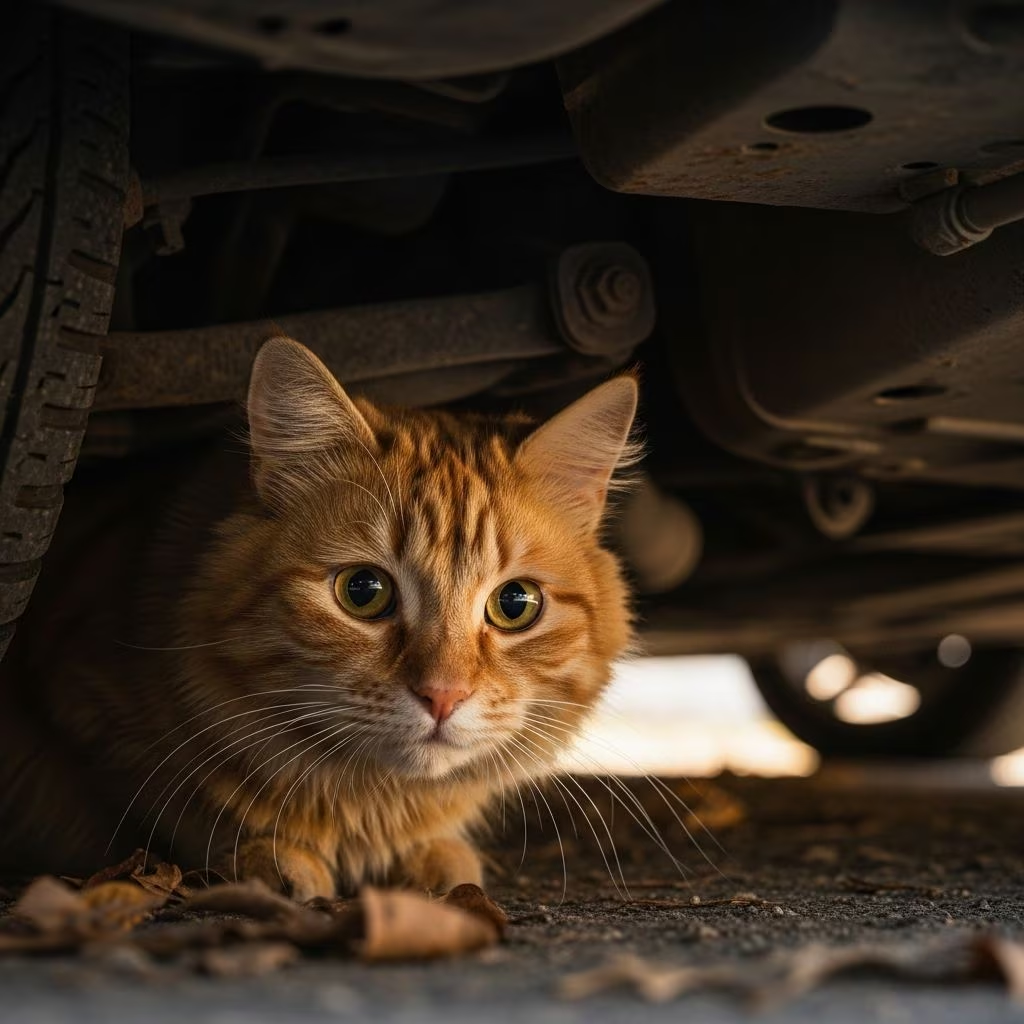
Cats often seek refuge under cars due to their instinctual need for safety, warmth, or protection from stress. This behavior can be dangerous for both the cat and vehicle owners, as startled felines may bolt into traffic or get injured during engine starts. Understanding feline psychology is key to safely coaxing them out without causing further panic.
This comprehensive guide covers why cats hide under cars, immediate safety steps, non-invasive luring methods, advanced techniques, and when to seek professional help. Patience and calmness are crucial, as forcing a cat can lead to scratches, bites, or the pet fleeing into peril.
Why Do Cats Hide Under Cars?
Cats are crepuscular creatures, most active at dawn and dusk, and they gravitate toward enclosed, elevated spaces like car undercarriages for security. Common triggers include:
- Stress from loud noises: Fireworks, thunderstorms, or construction can drive cats to seek immediate shelter.
- Temperature regulation: Engines provide residual warmth in cold weather, attracting strays or outdoor cats.
- Fear of predators or altercations: After fights with other animals, cats hide to recover or avoid pursuit.
- Injury or illness: Hurt cats become reclusive, choosing tight spaces to lick wounds undisturbed.
- Curiosity or play: Kittens especially explore novel spots, mistaking the undercarriage for a playground.
Recognizing these reasons helps tailor your approach. For instance, a stressed cat needs environmental calming, while an injured one requires veterinary attention post-rescue.
Safety First: Before You Attempt a Rescue
Never approach a hiding cat recklessly. Prioritize safety with these steps:
- Secure the area: Park the car in a safe, enclosed space if possible. Block nearby traffic or exits to prevent the cat from running into danger.
- Assess visibility: Use a flashlight (not too bright) to confirm the cat’s location without startling it. Avoid shining directly in its eyes.
- Wear protective gear: Thick gloves, long sleeves, and pants guard against scratches. Cats in fear mode lash out instinctively.
- Turn off the engine and wait: Let the area cool if the car was recently running, as heat draws cats but can burn rescuers.
- Observe body language: Ears back, hissing, or dilated pupils signal high stress—back off and try passive methods first.
These precautions minimize risks. According to animal welfare experts, most cat rescues succeed through patience rather than force.
Method 1: Use Food as Bait
The most effective initial tactic is strong-smelling food, leveraging cats’ acute sense of smell (14 times stronger than humans’).
- Best options: Canned tuna, wet cat food, sardines, or cooked chicken. Avoid dry kibble—its scent is too weak.
- How to deploy: Place small amounts on a flat tray or paper plate near the car’s edge, gradually moving it farther out. Refresh every 15-20 minutes to maintain aroma.
- Tips for success: Warm the food slightly for enhanced smell. If the cat is visible, eat a bit yourself to demonstrate safety via visual cueing.
Success rate is high in well-lit areas during daylight, as cats associate food prep with positive routines. Allow 30-60 minutes; persistence pays off.
Method 2: Tempt with Sounds and Toys
If smell fails, engage their hunting instincts with auditory and visual stimuli.
| Method | Description | Why It Works |
|---|---|---|
| Laser pointer | Shine a red dot along the ground leading away from the car. | Mimics prey movement, overriding fear with chase instinct. |
| Feather wand or string toy | Dangle and wiggle enticingly from a safe distance. | Triggers play-hunt response, common even in scared cats. |
| Food shaker or rattle | Shake a treat bag or crinkle a food wrapper. | Familiar sounds link to mealtime rewards. |
| Your voice | Call in a soft, soothing tone using their name. | Builds trust if you’re the owner; repeat rhythmically. |
Combine methods: Start with calling, add toy movement. Outdoors, these work best on calm, sunny days when visibility aids confidence.
Method 3: Create a Calming Environment
Eliminate stressors to make emergence appealing.
- Reduce noise: Silence radios, TVs, or nearby disturbances. Play soft classical music or purring sounds via phone app.
- Provide alternatives: Set up a cozy carrier with blankets and familiar bedding nearby as a ‘safe path’ out.
- Use pheromones: Spray Feliway (synthetic feline pheromones) around the exit area to signal safety.
- Dim lights: Create twilight conditions, as cats feel secure in low light.
For outdoor scenarios, cover the car with a breathable tarp (leave gaps) to block wind/rain, encouraging voluntary exit.
Method 4: The Patient Waiting Game
Sometimes, doing less is more. Cats emerge on their terms when hunger or curiosity overrides fear.
Strategies:
- Sit quietly 10-20 feet away, avoiding eye contact (predatory to cats).
- Leave baited traps (humane, live-capture types) overnight if safe.
- Monitor via trail cam for movement patterns.
This builds trust. Indoor hiding often resolves in hours; outdoor may take days. Never force—trust is fragile.
Advanced Techniques: When Basic Methods Fail
For stubborn cases:
- Catnip lure: Sprinkle potent dried catnip; it induces euphoria, making cats docile and approachable.
- Mother cat/kitten call: Imitate meows if it’s a feral; recordings work too.
- Net or trap pole: Use by professionals only—risks injury.
Avoid water sprays or loud noises; they escalate panic.
Signs Your Cat Needs a Vet After Rescue
Post-rescue, check for:
- Limp, swelling, or blood.
- Lethargy, refusal to eat.
- Labored breathing or hiding again indoors.
Seek immediate care—these indicate injury from fights, falls, or car-related trauma.
When to Call Animal Control or Rescuers
If unsuccessful after 24-48 hours, or if injured/feral:
- Contact local humane society or trap-neuter-release groups.
- Provide photos, location, and behavior details.
Professionals have tools like drop traps and experience with skittish cats.
Prevention Tips to Keep Cats Safe
Avoid future incidents:
- Indoor living: Keep cats inside; use enclosures for outdoor time.
- Check under cars: Tap hoods, honk horn before starting engine.
- Collar with ID: GPS trackers aid lost pet recovery.
- Secure yard: Fences deter strays.
Microchipping boosts reunite chances by 20-30% per shelter data.
Frequently Asked Questions (FAQs)
What is the fastest way to get a cat out from under a car?
The quickest method is strong-smelling food like tuna placed strategically, often working in under 30 minutes.
Is it safe to use a broom or stick to poke the cat?
No— this heightens fear, causing scratches or bolting into traffic. Use passive lures only.
What if the cat is injured under the car?
Do not attempt solo rescue; call professionals with capture equipment to avoid worsening injuries.
How long should I wait before giving up?
Try 1-2 days with baits; if no luck, involve rescuers.
Can catnip work on all cats?
About 70-80% respond; it’s genetic—not universal.
References
- ASPCA Pet Safety Guidelines — ASPCA. 2024-05-15. https://www.aspca.org/pet-care/general-pet-care/pet-safety-tips
- Humane Society Trap-Neuter-Release Protocols — Humane Society. 2023-11-20. https://www.humanesociety.org/resources/trap-neuter-return-faq
- AVMA Feline Behavior and Stress Management — American Veterinary Medical Association. 2025-02-10. https://www.avma.org/resources-tools/pet-owners/petcare/feline-behavior
- CDC Animal Bites and Rabies Prevention — Centers for Disease Control. 2024-08-01. https://www.cdc.gov/rabies/animals/index.html
- Journal of Feline Medicine: Hiding Behaviors — Peer-reviewed via PubMed. 2022-07-14. https://pubmed.ncbi.nlm.nih.gov/35852047/



