

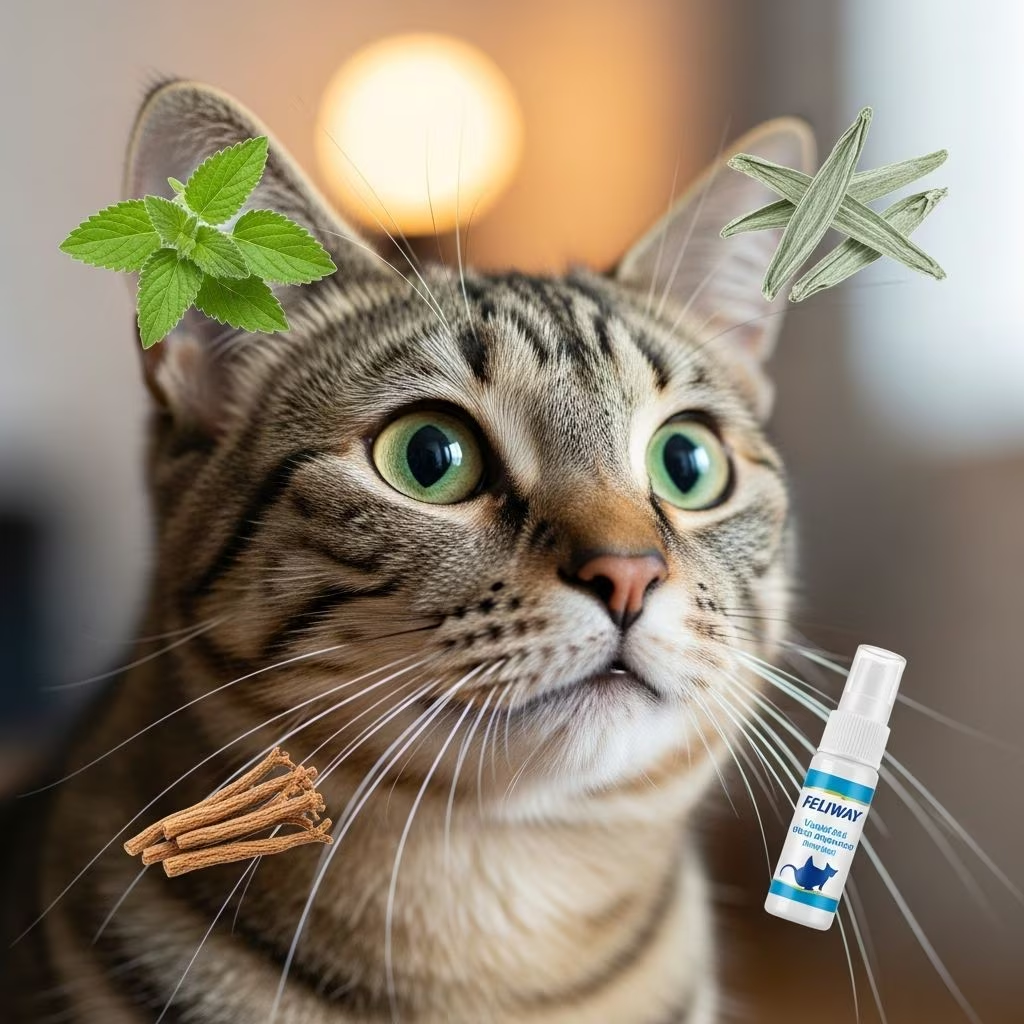
Cats possess an extraordinary sense of smell that plays a crucial role in their daily lives, from hunting prey to navigating their environment. This powerful olfactory ability makes them particularly responsive to certain natural substances that can induce a state of euphoria or heightened excitement, often described as getting ‘high.’ Toys and treats infused with these substances provide essential enrichment, helping indoor cats stay mentally stimulated and physically active.
While catnip is the most famous option, not every cat reacts to it due to genetics—only about 50-70% of cats are sensitive to its effects. Fortunately, there are several vet-approved, legal alternatives that can deliver similar recreational enjoyment safely. This article outlines the four best options, complete with scientific details, effects, and important precautions to keep your feline friend healthy and happy.
The 4 Totally Legal & Safe Ways to Get Your Cat High
These natural herbs target specific receptors in a cat’s brain and nasal passages, triggering responses ranging from playful hyperactivity to mellow relaxation. All are non-addictive, non-toxic when used properly, and widely available in pet stores as toys, sprays, or loose dried forms.
1. Catnip
Catnip reigns supreme as the go-to substance for feline fun. This perennial herb belongs to the mint family and contains nepetalactone, an essential oil that binds to proteins in a cat’s olfactory system, mimicking feline pheromones.
| Scientific Name | Nepeta cataria |
|---|---|
| Alternative Names | Catswort, catwort, catmint |
| Description | Perennial herb with brown-green foliage and small lavender flowers |
When sniffed, catnip typically elicits a burst of hyperactive behavior: rolling, rubbing, zooming around, and vocalizing. These effects last 5-15 minutes, followed by a refractory period where the cat becomes temporarily immune for 1-2 hours. Ingesting catnip, however, often leads to a calming, mellow state, making it useful for anxious cats. About 70% of adult cats respond, but sensitivity is hereditary and develops around 6-8 weeks of age.
Pro tip: Sprinkle dried catnip on scratchers or use infused toys for repeated play sessions. Rotate toys to prevent habituation.
2. Silvervine
For catnip non-responders, silvervine offers a potent alternative. This deciduous climber from the kiwi family (Actinidia genus) is native to East Asia’s mountainous regions and contains actinidine, which stimulates similar neural pathways as catnip but affects up to 90% of cats.
| Scientific Name | Actinidia polygama |
|---|---|
| Alternative Names | Matatabi, cat powder |
| Description | Deciduous climber with silver and white leaves, small fruits |
Effects kick in within seconds of sniffing, producing intense euphoria: cats may lick, chew, drool excessively, and exhibit wild play or deep relaxation. Sessions last 5-30 minutes, with some cats showing a stronger preference for silvervine over catnip. It’s particularly popular in Japan, where ‘matatabi’ sticks are a traditional treat.
Silvervine is available as powder, sticks for chewing, or in toy refills. Its higher potency makes it ideal for enrichment in multi-cat households.
3. Valerian
Known in human herbal medicine for its sedative properties, valerian acts as an exciting attractant in cats due to actinidine and isovaleric acid compounds that alter brain chemistry.
| Scientific Name | Valeriana officinalis |
|---|---|
| Alternative Names | Valerian root |
| Description | Perennial flowering plant with pink or white flowers and pungent roots |
Cats exposed to valerian often display rolling, batting, and hypnotic staring, with effects blending excitement and mellowing that can last 30-60 minutes. It’s effective for 80% of catnip-insensitive cats and doubles as a training aid, making felines more receptive to handling or medication.
Use sparingly in sprays or toys; the strong earthy scent can overwhelm sensitive noses. Valerian is non-habit forming and safe for occasional use.
4. Honeysuckle
Honeysuckle’s appeal lies in nepetalactol, a compound that activates pheromone receptors, producing varied responses from mild interest to full euphoria.
| Scientific Name | Lonicera tatarica |
|---|---|
| Alternative Names | None |
| Description | Twining climber with oval leaves, symmetrical flowers, and red/orange berries |
Reactions include meowing, rolling, chasing phantom prey, growling, or zoning out, with effects persisting up to two hours. It’s gentler than catnip, appealing to about 50% of cats, and works well in combination with other herbs for customized enrichment.
Opt for pet-safe honeysuckle wood chips or sprays—avoid garden plants, as some varieties are toxic if ingested.
Precautions for Intoxicating Substances
While these herbs are vet-approved and legal everywhere, responsible use is key to preventing issues. Cats can’t overdose fatally on them, but moderation ensures lasting enjoyment.
- Test reactions first: Start with a tiny amount and observe for 30 minutes. Watch for ataxia (wobbly walking), vomiting, or lethargy—discontinue if seen.
- Age restrictions: Avoid in kittens under 8 weeks (immature systems) and senior cats (potential sensitivities).
- Dosage matters: More isn’t better; overexposure leads to tolerance. Limit to 1-2 sessions weekly.
- Supervise chews: Sticks like silvervine can splinter, posing choking or obstruction risks.
- Never human substances: Marijuana, CBD, or edibles are toxic to cats, causing severe symptoms like incoordination, urinary issues, and coma.
Store herbs securely to prevent overindulgence. If adverse effects occur, contact a vet—services like online consultations offer quick advice.
Frequently Asked Questions (FAQs)
Can all cats get high on catnip?
No, genetic factors mean only 50-70% respond. Try silvervine or valerian for non-responders.
Is it safe to give my cat these herbs daily?
No, occasional use prevents tolerance. Weekly sessions suffice for enrichment.
What if my cat eats too much silvervine?
Excess causes mild stomach upset at worst; monitor and withhold for 24 hours.
Are these herbs addictive?
No, cats don’t develop dependency—effects wear off naturally.
Can pregnant cats have catnip?
Consult a vet; generally safe but moderation advised.
Enhancing Your Cat’s Life with Safe Highs
Beyond fun, these herbs combat boredom in indoor cats, reducing stress-related behaviors like excessive scratching or aggression. Combine with scratching posts, interactive toys, and a moisture-rich diet for optimal health. Regular nail trims every 2-3 weeks and stable posts prevent furniture damage while supporting natural instincts.
Experiment to find your cat’s favorite—many adore variety. A euphoric ‘high’ keeps your companion playful, content, and bonded with you.
References
- 4 Totally Legal & Safe Ways to Get Your Cat High (Vet-Approved) — Catster. 2023. https://www.catster.com/lifestyle/how-to-get-a-cat-high/
- Can Cats Get High? Vet-Reviewed Facts on Effect and Safety — Catster. 2023. https://www.catster.com/cat-health-care/can-cats-get-high/
- General Cat Care — ASPCA. 2024-01-14. https://www.aspca.org/pet-care/cat-care/general-cat-care



