

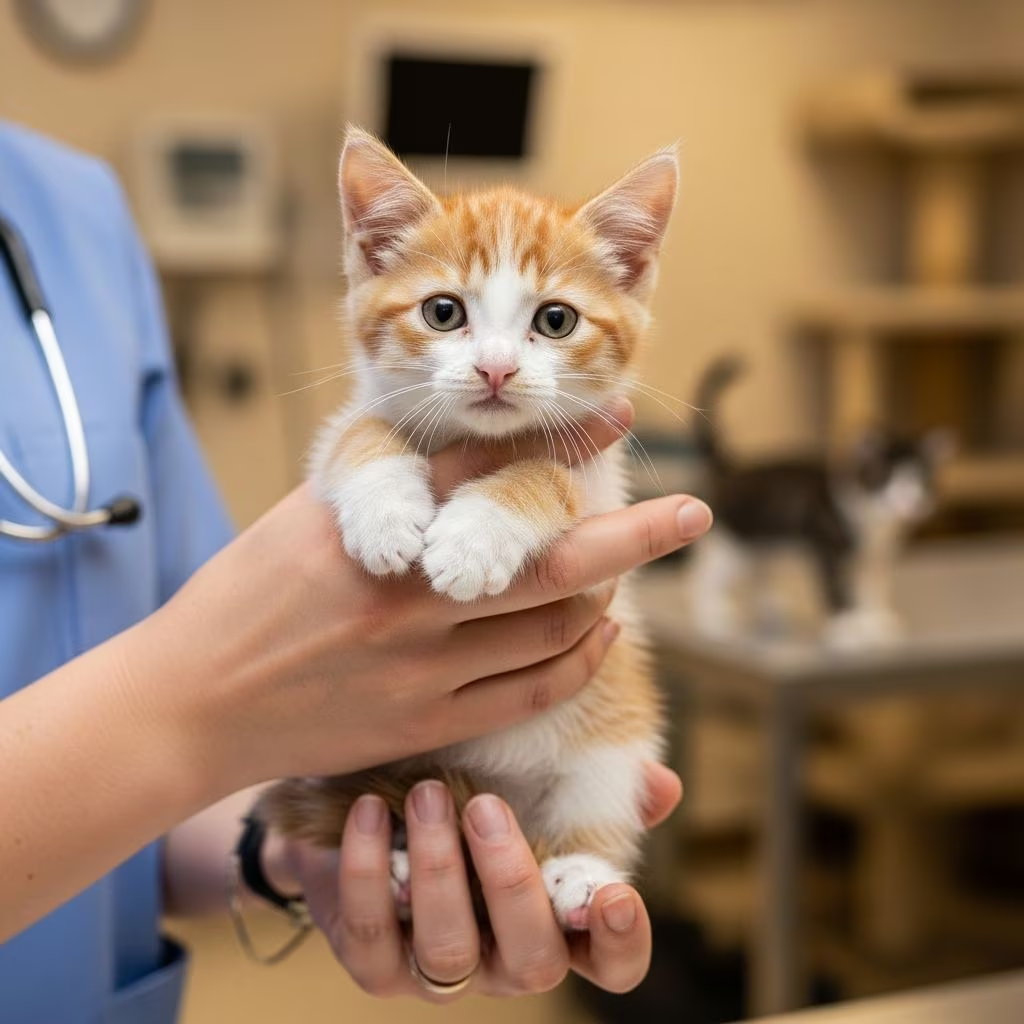
How to Foster Kittens: 9 Vet-Approved Tips
Fostering kittens can be an incredibly rewarding experience that makes a real difference in the lives of vulnerable animals. Whether you’re passionate about helping animals but can’t commit to permanent adoption, or you want to test out pet parenthood before taking the plunge, kitten fostering offers a meaningful way to contribute to your local animal rescue community. This comprehensive guide covers everything you need to know about becoming a foster kitten parent, from preparation and supplies to nutrition and socialization.
The Importance of Fostering
Fostering plays a crucial role in animal rescue and welfare. Young kittens, particularly those under five weeks old, often cannot survive in traditional shelter environments due to their vulnerability to infectious diseases and the stress of crowded conditions. Foster homes provide a safe, nurturing environment where kittens can develop socially and physically away from these risks.
Beyond protection from illness, fostering is invaluable for kitten socialization. Kittens raised in foster homes learn to trust and play with humans, developing the social skills necessary to adapt to their forever families. Well-socialized kittens are significantly more likely to be adopted into loving homes and to form strong bonds with their new families. Additionally, fostering allows kittens to receive individualized attention and care that shelters, with their limited resources, simply cannot provide.
9 Essential Tips for Fostering Kittens Successfully
1. Educate Yourself Thoroughly
Before committing to foster kittens, take time to research the process comprehensively. Understanding what fostering entails is essential to ensure you’re genuinely equipped for the responsibility. While a strong love for animals is important, you also need the financial means, physical space, and time availability to care for kittens properly. Reading articles, watching tutorials, and connecting with experienced foster parents can provide valuable insights into whether fostering is the right choice for your current situation.
2. Ensure Your Home Is Compatible
Your living space must be suitable for fostering kittens. Consider these key questions:
- Do you have adequate space to accommodate foster kittens?
- Can you create a designated safe area for kittens to acclimate before exploring the entire home?
- Can you separate kittens from potential stressors such as large dogs or young children?
- Is your home kitten-proofed and free from hazards?
It’s best to keep new foster kittens separate from resident pets initially, giving them adequate space to grow and play safely while they adapt to their new environment. A small, climate-controlled room with a door that closes is ideal for this purpose.
3. Have Sufficient Available Time
Fostering kittens is extremely time-consuming, especially for very young kittens requiring bottle feeding. If you work full-time with eight or more hours away from home daily and no one to care for the kittens, fostering may not be feasible. Older kittens (several weeks old) are more self-sufficient, but young kittens need frequent feeding, stimulation, and socialization throughout the day. Assess your schedule honestly before committing to fostering.
4. Prepare Your Space with Proper Setup
Creating a comfortable, safe environment is essential for foster kitten success. If fostering a litter, consider setting up a cage or playpen in a small, climate-controlled space with a door. This containment area allows you to monitor the kittens closely while keeping them safe from household hazards.
Kitten-proofing is critical. Remove or secure anything that could harm them, including:
- Trash cans and open toilets
- Climbing hazards like curtains or dangling cords
- Toxic plants
- Small spaces where kittens could hide or become trapped
Provide a cozy sleeping area with soft blankets. A heating pad covered with an extra soft blanket offers warmth and comfort, which is especially important for very young kittens who cannot regulate their body temperature effectively.
5. Have the Proper Supplies
While many shelters provide basic supplies, they often have limited resources. Be prepared to purchase or have on hand essential items including:
- High-quality kitten food and formula (never cow’s milk)
- Bottles and nipples for bottle-feeding (if applicable)
- Non-clumping litter and shallow litter boxes
- Food and water dishes
- Age-appropriate toys for enrichment
- Cleaning supplies for the enclosure
- Heating pad for warmth
- Soft blankets and bedding
Different fostering situations require different supplies. For example, bottle-feeding newborn kittens involves a specialized skill set and specific equipment including bottles, nipples, and kitten formula (never human baby formula).
6. Gather Resources Beforehand
Before bringing kittens home, ensure all necessary supplies and setup are complete. Create a checklist based on the age and needs of the kittens you’ll be fostering. For very young kittens, you may need supplies for bathroom stimulation, as neonates cannot eliminate waste without assistance. For older kittens, focus on proper litter boxes and age-appropriate food supplies. Having everything prepared beforehand reduces stress and ensures you can meet the kittens’ needs immediately upon arrival.
7. Provide Proper Nutrition and Hydration
Nutrition is fundamental to kitten development. Once you bring foster kittens home, feeding is the first priority. The feeding method depends on the kittens’ age:
- Under 4 weeks: Bottle-feeding with kitten formula is necessary
- 4-8 weeks: Transition to wet kitten food and fresh water
- Over 8 weeks: Wet or dry kitten food with constant access to fresh water
Always use kitten-specific formula, never cow’s milk or human baby formula. Provide shallow water dishes for kittens old enough to lap water (at least three to four weeks old and weaned). Proper nutrition supports healthy growth, boosts immunity, and ensures the kittens develop according to schedule.
8. Prioritize Socialization and Handling
Socialization is one of the most valuable gifts you can give foster kittens. The key is providing numerous positive experiences with different people, objects, and environments. However, simple exposure isn’t enough—experiences must be genuinely positive and not overwhelming. Well-socialized kittens develop into adult cats better equipped to interact with other cats, dogs, children, and adults, and to tolerate handling comfortably.
Strategies for effective socialization include:
- Gentle daily handling and petting
- Introducing various people in calm, controlled situations
- Exposing kittens to different sounds and environments gradually
- Encouraging play and exploration
- Avoiding frightening or overwhelming experiences
Start with an adjustment period where kittens may be timid or anxious, requiring patience and a calm environment. As they become comfortable, their playful and curious nature will emerge naturally.
9. Ensure Veterinary Care
Routine veterinary care is essential for foster kittens’ health and development. Shelters typically cover initial exams and vaccinations, but clarify which veterinary services are your responsibility before bringing kittens home. Important veterinary care includes:
- Initial health examination
- Age-appropriate vaccinations
- Parasite prevention and treatment
- Spaying or neutering before adoption (kittens are typically ready at eight weeks old)
Monitor the kittens’ health daily and report any concerns to the shelter or rescue organization immediately.
Foster Kitten Timeline: What to Expect
Understanding the typical fostering timeline helps you prepare mentally and logistically for the commitment. Most kittens are ready for adoption once they reach eight weeks old and have been spayed or neutered. Depending on the age of kittens when you bring them home, you’re typically looking at approximately a two-month commitment. However, if you experience a “foster fail” and decide to adopt, your commitment becomes permanent—typically 15 to 20 years.
Managing the Emotional Aspects of Fostering
Fostering involves building trust and nurturing relationships with vulnerable animals. It’s common and completely normal to form strong emotional bonds with foster kittens. Many foster parents find themselves considering adoption, and this is often encouraged by shelters. If you do fall in love with your foster kittens, most animal shelters work willingly with foster parents to facilitate adoption.
Whether you adopt or return your foster kittens to find their forever families, you’ve provided them with warm shelter, affection, and attention during a critical developmental period. This experience is invaluable for the kittens’ future success.
Fostering as a Step Toward Adoption
Many cat parents began their journey as foster parents. Fostering provides an excellent opportunity to experience pet parenthood firsthand and determine whether you’re ready for the long-term commitment of permanent cat ownership. If you decide fostering isn’t right for you after trying it, that’s perfectly acceptable—you’ve still made an enormous difference in the lives of kittens in need.
Is Fostering Right for You?
Before committing to fostering, honestly assess your situation. Fostering isn’t suitable for everyone, and that’s okay. Consider whether you have:
- Adequate space and a kitten-safe home environment
- Sufficient time for daily care, feeding, and socialization
- Financial ability to supplement supplies if needed
- Patience for the learning curve and adjustment period
- Emotional readiness for the eventual goodbye (or adoption)
If fostering doesn’t fit your circumstances, there are many other ways to help animals in need without bringing them into your home, such as donations, volunteering at shelters, or supporting rescue organizations financially.
Frequently Asked Questions
Q: How old should kittens be before I foster them?
A: You can foster kittens at any age, from newborns requiring bottle feeding to older kittens approaching adoption age. If the option exists to foster kittens with their mother, this is ideal, especially for kittens under five weeks old who are still nursing. Younger kittens require more intensive care, while older kittens are more self-sufficient.
Q: Will shelters provide supplies for foster kittens?
A: Many rescue groups and shelters provide food, litter, and other essentials to foster parents, though resources are often limited. Clarify what the shelter will supply before you bring kittens home, and be prepared to purchase additional items if needed.
Q: What if I fall in love with my foster kittens?
A: This is extremely common and often encouraged! Most shelters work willingly with foster parents to facilitate adoption if you decide to keep the kittens. Many foster parents transition to becoming adoptive parents.
Q: How long will I need to foster?
A: The typical fostering commitment is about two months, as kittens are generally ready for adoption at eight weeks old after being spayed or neutered. This varies depending on the age of kittens when you bring them home.
Q: Can I foster if I work full-time?
A: Fostering older kittens might be possible with careful planning, but fostering young kittens requiring bottle feeding and frequent care is extremely difficult with a full-time job and no caregiver at home. Be honest about your schedule before committing.
Q: What type of litter should I use for foster kittens?
A: Use non-clumping litter for foster kittens. Clumping litter can be harmful if ingested by young kittens. Provide a shallow litter box with a small amount of non-clumping litter for kittens older than two weeks.
References
- What to Expect When Fostering a Kitten — Shelter Animals Count. 2024. https://www.shelteranimalscount.org/what-to-expect-when-fostering-a-kitten/
- How to Foster Kittens: 9 Vet-Approved Tips — Catster. 2024. https://www.catster.com/lifestyle/how-to-foster-kittens/
- Healthy Kitten Fostering Practices — Cat Writers’ Association. 2023. https://catwriters.com/



