

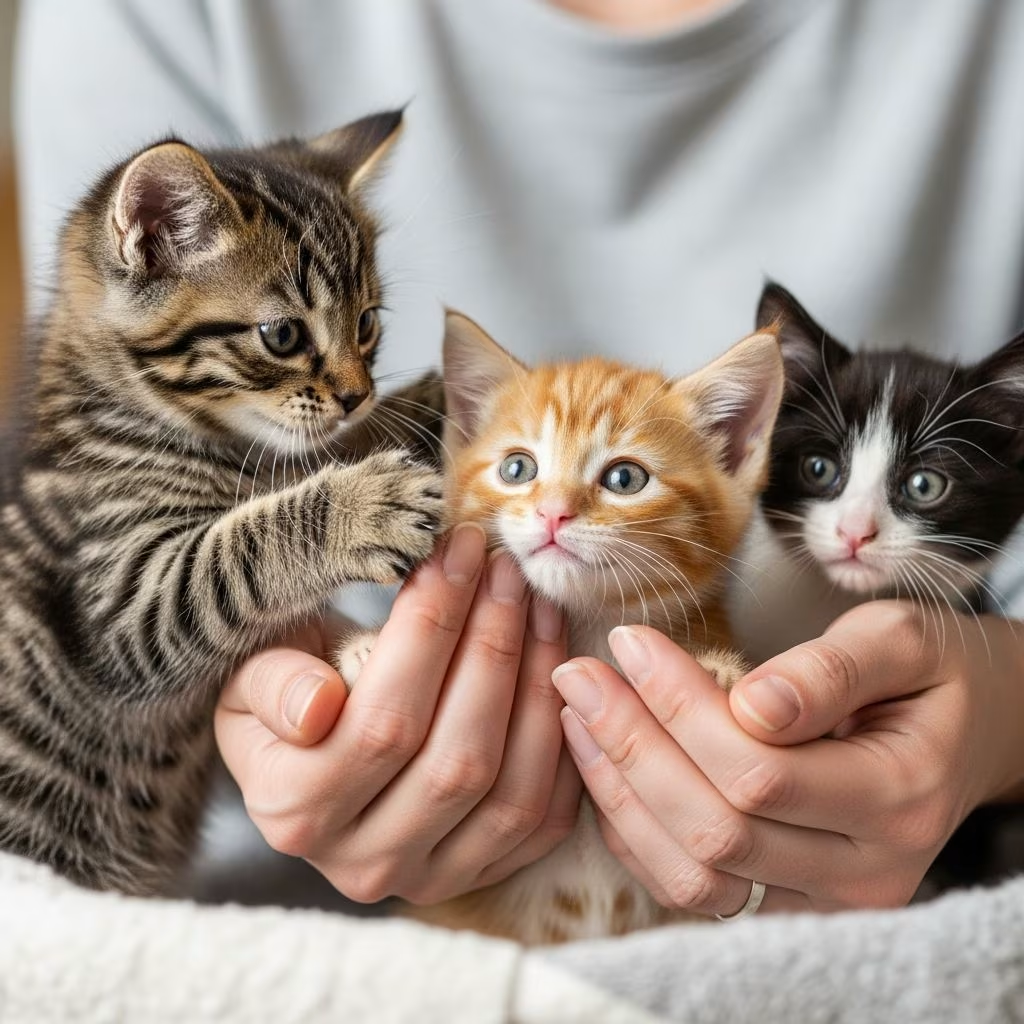
How to Foster Kittens: A Complete Guide to Saving Lives
Fostering kittens is one of the most rewarding ways to make a direct impact on animal rescue. By opening your home to vulnerable young kittens, you’re providing them with essential care, socialization, and love during their most critical developmental period. Whether you’re a first-time foster or an experienced caregiver, this comprehensive guide will help you navigate every aspect of kitten fostering, from preparation to adoption readiness.
Why Foster Kittens?
Shelters and rescue organizations are often overwhelmed during kitten season, and foster volunteers play a crucial role in saving lives. By fostering, you’re not only providing a safe, nurturing environment for young kittens but also freeing up valuable shelter resources for other animals in need. Your role as a foster parent directly impacts a kitten’s ability to develop into a well-adjusted, adoptable pet ready for its forever home.
Supplies: What You’ll Need to Foster Kittens
Before bringing your foster kittens home, you’ll need to gather essential supplies. Most shelters and rescue groups provide the majority of what you’ll need, but it’s helpful to understand what’s required to properly care for your foster babies.
Essential Foster Kitten Supplies
- Food and water bowls designed for kittens
- Appropriate kitten formula and bottles (if fostering bottle babies)
- Kitten food suitable for their developmental stage
- Litter box with low sides for easy access
- Litter that is safe for young kittens
- A secure sleeping area (cat carrier with door removed or a box on its side)
- Kitten-safe toys that are easy to sanitize
- Scratching post for appropriate scratching behavior
- Cleaning supplies for maintaining a hygienic environment
- Cat treats for training and positive reinforcement
- Grooming supplies to keep kittens well-maintained
- Heating pad or heat source for temperature regulation
Preparing Your Home for Foster Kittens
Creating a safe, comfortable environment is essential for your foster kittens’ well-being and development. The space you choose will significantly impact their comfort level and how quickly they adjust to their new surroundings.
Setting Up the Foster Room
Foster kittens should be separated from all other animals in your household and kept in a small, confined area such as a spare room or bathroom. This dedicated space serves several important purposes: it keeps the kittens safe, allows them to adjust gradually to their new environment, and helps prevent disease transmission. The room should include easy access to food, water, and litter box facilities.
Temperature and Environment Considerations
Because kittens cannot regulate their body temperature effectively, your foster room must be warm and draft-free. Maintain a comfortable temperature and avoid placing the room near air vents or open windows. Never place kittens in a garage or any location with outdoor access, as these areas present serious safety hazards. Choose an area that is easy to clean, as litter box accidents and spills are inevitable while kittens are learning.
Room Layout and Resources
Position the litter box as far away from the mother cat’s food and water bowls as possible, following natural feline instincts to separate eating and bathroom areas. Provide multiple safe spaces where the mother cat can care for her kittens, such as a dark area equipped with a whelping box. If you’re fostering kittens without their mother, ensure they have comfortable nesting areas and appropriate heating sources.
Your Guide to Kitten Development and Feeding
Kittens go through rapid developmental changes, and understanding these stages is crucial for providing appropriate nutrition and care. Feeding kittens properly at every stage of development is critical to their health, growth, and eventual readiness for adoption.
Understanding Kitten Development Stages
From birth through adoption, kittens undergo remarkable transformations. They progress from completely dependent newborns to independent young cats capable of eating on their own. Understanding what to expect at each stage helps you provide appropriate care and identify any health concerns. Kittens’ abilities expand dramatically as they grow—their eyes and ears open, they begin to walk and explore, their baby teeth emerge, and they gradually transition from mother’s milk to solid food.
How to Bottle-Feed Kittens
Very young kittens require bottle feeding every two to three hours, including overnight feedings. This demanding schedule requires commitment and dedication, but it’s essential for their survival and development. When bottle-feeding, maintain proper formula temperature, hold the kitten in an upright position to prevent aspiration, and use appropriate kitten formula recommended by your rescue organization. Never use cow’s milk, as it can cause digestive upset in young kittens.
Bottle Feeding Schedule by Age:
| Kitten Age | Feeding Frequency | Amount per Feeding |
|---|---|---|
| Newborn to 1 week | Every 2-3 hours (including nights) | 2-5 ml per feeding |
| 1-2 weeks | Every 2-3 hours | 5-7 ml per feeding |
| 2-3 weeks | Every 3-4 hours | 7-10 ml per feeding |
| 3-4 weeks | Every 4-6 hours | 10-12 ml per feeding |
Weaning Kittens Onto Solid Food
Around four to five weeks of age, kittens naturally begin showing interest in solid food. This gradual transition from bottle or mother’s milk to wet and dry kitten food is essential for developing proper eating habits. Introduce high-quality kitten food gradually, mixing it with formula initially to ease the transition. By the time kittens are ready for adoption, they should be eating independently and confidently on their own.
Feeding Schedule for Older Kittens
Kittens between five weeks and adoption age (typically 8-12 weeks) should be fed appropriate kitten formula or wet food multiple times daily, along with access to dry kitten food. The exact schedule depends on your rescue organization’s guidelines, but most older foster kittens need feeding just a couple of times a day once they’re eating solid food independently.
Socialization and Behavioral Training
Socialization is one of the most important aspects of kitten fostering. Your role is to expose kittens to positive experiences that will help them become well-adjusted, confident companions in their forever homes.
Establishing Good Litter Box Habits
Start introducing kittens to the litter box around four to five weeks of age. Use a litter box with low sides to make it easy for young kittens to climb in and out. Some foster parents prefer disposable litter boxes for easy cleanup. Keep kittens confined to a small area and provide at least one litter box in each room they can access. You can encourage proper litter box use by gently returning kittens to their box every 15-20 minutes during active play sessions.
Positive Socialization Practices
Introduce your foster kittens to new environments, people, sounds, and experiences in a controlled, positive manner. Whenever you introduce kittens to a new space, provide treats and interactive toys so they associate the new environment with positive experiences. Keep exploratory sessions brief to avoid overwhelming them, and return them to their living space if they show signs of fear or stress.
Socialization Goals:
- Exposure to different people of various ages and appearances
- Introduction to different household sounds (vacuum, dishwasher, doorbell)
- Experience with different textures and surfaces
- Positive interactions with family members and visitors
- Gradual introduction to different areas of your home
- Safe exploration of various environments
Managing Play and Discouraging Biting
During play time, it’s important to discourage kittens from biting your hands and feet, even though it might seem cute. This crucial behavioral training prevents kittens from developing habits that adopters may find undesirable. Redirect biting behavior toward appropriate toys, and use interactive toys that keep hands at a distance during play sessions. This training ensures your foster kittens are pleasant, well-mannered companions in their adoptive homes.
Daily Care Responsibilities
Caring for foster kittens requires dedication and a commitment to specific daily tasks. Your consistency directly impacts their development and readiness for adoption.
Time Commitment
Spend as much time as possible with your foster kittens. The more time you dedicate to socializing and interacting with them, the better adjusted they’ll be to people and family life. The amount of time required depends on the age of your foster kittens. Bottle babies require frequent feeding schedules throughout the day and night, while older kittens eating solid food may only need a couple of feedings plus extended socialization time.
Daily Tasks Checklist
- Feed kittens according to their developmental stage and schedule
- Provide fresh water daily
- Clean and refill litter boxes multiple times daily
- Socialize kittens with gentle handling and play
- Introduce kittens to new environments and experiences
- Monitor for signs of illness or behavioral concerns
- Provide cuddle time and positive reinforcement
- Clean and sanitize toys and equipment
- Maintain detailed notes on kitten progress and behavior
Transportation and Veterinary Care
Foster homes are responsible for providing transportation to and from veterinary appointments as needed. Once kittens reach two pounds and are old enough to be spayed or neutered (typically around eight weeks), you’ll transport them to your rescue organization’s facility for these procedures. Maintain communication with your rescue coordinator regarding any health concerns or behavioral issues that develop during the foster period.
What Your Organization Provides
Most rescue organizations and shelters provide comprehensive support to their foster volunteers. Typically included are:
- Initial orientation and training sessions covering all aspects of kitten care
- Kitten formula and bottles (if fostering bottle babies)
- Appropriate kitten food for various developmental stages
- Veterinary care and medications
- Support and guidance from a foster coordinator
- Supplies such as litter, litter boxes, and basic equipment
- Emergency support and advice
Preparing Kittens for Their Forever Homes
Your ultimate goal as a foster is to prepare kittens for successful adoption. By providing proper nutrition, socialization, behavioral training, and medical care, you’re setting them up for happy, healthy lives with their new families.
Adoption Readiness Checklist
- Kittens are eating solid food independently
- Litter box training is established
- Basic behavioral boundaries are understood
- Kittens are socialized to people and environments
- Spaying or neutering has been completed
- Vaccinations are current
- Health assessments have been completed
- Kittens display confident, friendly personalities
Frequently Asked Questions About Kitten Fostering
Q: What if I have other pets at home?
A: Foster kittens should be kept separated from other animals in your household initially. Gradually introduce them through closed doors, allowing them to smell each other before any face-to-face contact. This slow introduction process helps prevent stress and ensures everyone’s safety.
Q: How long does a typical foster placement last?
A: Foster placements typically last 4-12 weeks, depending on the kitten’s age when you receive them and how quickly they reach adoption-ready status. Bottle babies may stay longer, while older kittens might be ready for adoption within a few weeks.
Q: What should I do if a foster kitten becomes ill?
A: Contact your foster coordinator immediately if you notice signs of illness. Most rescue organizations cover all veterinary expenses for foster kittens and provide guidance on how to proceed with medical care and treatment.
Q: Can I adopt one of my foster kittens?
A: Many rescue organizations allow foster volunteers to adopt their foster kittens. Discuss this possibility with your foster coordinator if you fall in love with one of your foster babies!
Q: How much does it cost to foster?
A: Fostering is typically free for volunteers. Most rescue organizations provide all necessary supplies, food, and veterinary care. You’re only providing your home, time, and love.
Q: What if I’m worried I won’t be able to handle bottle feeding?
A: Many rescue organizations offer training sessions and ongoing support. You can also start with older kittens that are already eating solid food before graduating to bottle babies as you gain experience.
Making a Difference Through Kitten Fostering
By fostering kittens, you’re directly saving lives and making a measurable difference in your community. Every kitten you care for represents shelter space freed up for another animal in need, veterinary resources stretched further, and a vulnerable young life given a chance at a healthy, happy future. Whether you foster bottle babies or older kittens, your contribution is invaluable to animal rescue efforts.
References
- Kitten Foster Manual — Best Friends Animal Society. 2024. https://bestfriends.org/pet-care-resources/kitten-foster-manual
- How to Foster Kittens: Foster to Save Lives this Kitten Season — Best Friends Animal Society. 2024. https://bestfriends.org/kittens/how-to-foster-kittens
- Preparing for Your Foster Kittens — Best Friends Animal Society. 2024. https://bestfriends.org/pet-care-resources/preparing-your-foster-kittens



