

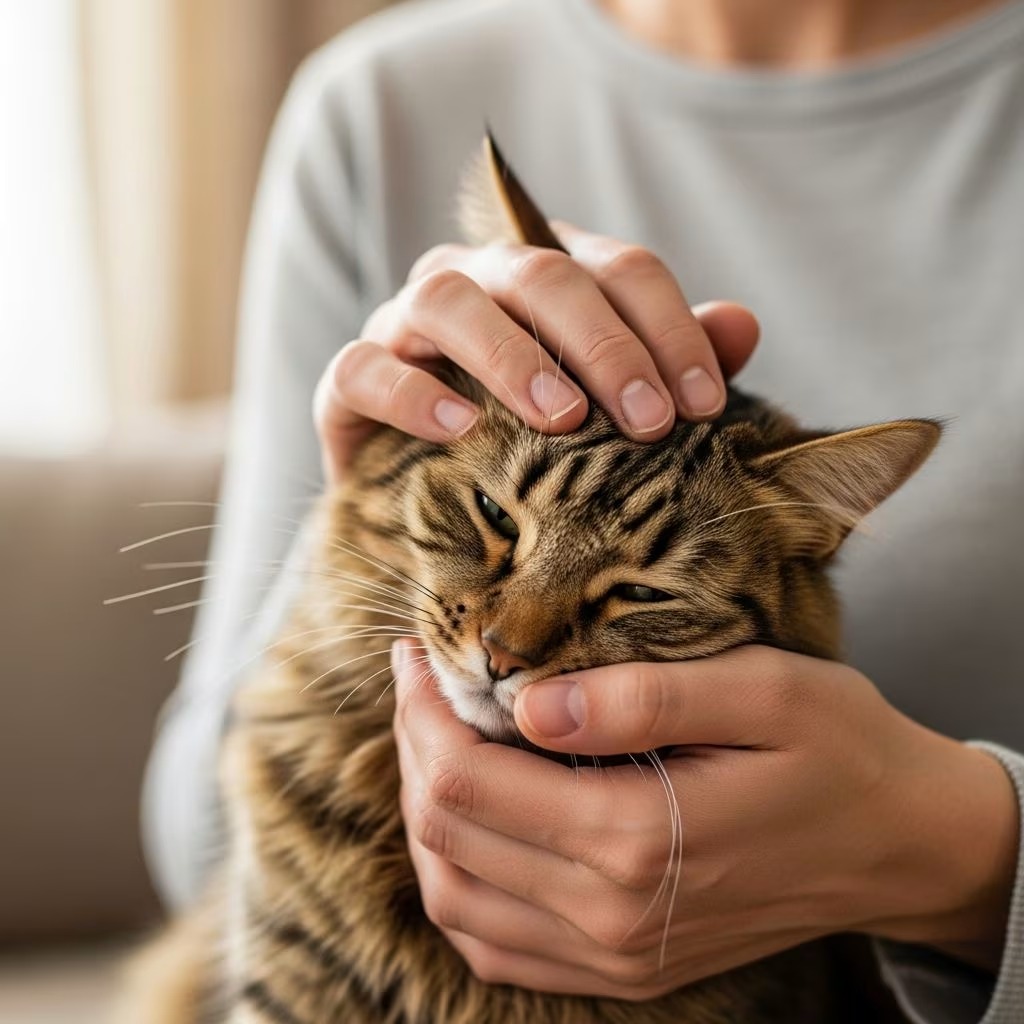
Fostering a cat provides a temporary loving home for cats and kittens in need, helping shelters manage overcrowding while increasing adoption rates. This guide covers everything from getting started to saying goodbye, drawing on best practices from animal welfare organizations.
What Does Fostering a Cat Entail?
Fostering involves providing a safe, nurturing environment for cats awaiting adoption. Foster parents offer individualized care, socialization, and monitoring that shelters often cannot provide due to space limitations. Cats in foster homes receive the attention needed to recover from stress, treat medical issues, and showcase their true personalities for better matches with permanent homes.
Common foster types include kittens under 4 weeks needing bottle-feeding, mother cats with litters, shy adults requiring socialization, and seniors with special medical needs. The duration varies from weeks to months, depending on the cat’s health and adoption speed.
Who Can Foster Cats?
Most programs require fosters to be at least 18 years old, though some specify 21. You must live near the shelter for vet transport, provide an indoor, temperature-controlled space, and commit to regular communication with coordinators.
- Must be 18+ years old and have reliable transportation for vet visits.
- Provide a safe space separated from personal pets initially for quarantine.
- Agree to home checks every 6 months if required by law.
- Household members must support fostering; no long absences without arrangements.
No prior experience is necessary, but patience and time are essential. Programs train new fosters on handling various needs.
Assess Your Readiness to Foster
Evaluate your home, schedule, and resources before applying. Consider if you can handle frequent feedings for neonates, litter training, or behavioral adjustments.
| Factor | Requirements | Tips |
|---|---|---|
| Space | Quarantined room with litter box, food/water bowls, bedding | Kitten-proof: remove cords, toxic plants, hiding spots |
| Time | Daily care, vet trips every 2 weeks | 2-4 hour feedings for young kittens |
| Finances | Basic supplies; shelter covers food/vet often | Budget for extras like toys |
| Patience | Adjustment period of 10-14 days | Monitor for stress-related illness |
Supplies Needed for Fostering Cats
Shelters provide essentials like food, litter, and formula, but have backups ready. Essential items ensure a smooth start.
- Basics: Litter box (shallow for kittens), litter, food/water bowls, carrier.
- Comfort: Blankets, heating pad (low setting for neonates), scratching post.
- Kittens under 4 weeks: KMR formula, nursing bottles/nipples, scale for weighing, cotton balls for stimulation.
- Toys/Play: Toys, scratch pads (disposable or disinfectable).
For orphans, maintain 80°F initially using Snuggle Safe disks under blankets.
How to Apply to Foster Cats
Contact local shelters or rescues to fill out an application detailing your home, pets, and experience. Approval leads to matching with suitable cats and supply pickup.
- Submit application with ID, pet/vet info.
- Undergo interview/home visit if needed.
- Sign foster agreement outlining duties.
- Pick up cat with initial supplies.
Expect guidance on fostering duration and specific care.
Preparing Your Home for a Foster Cat
Create a “home base”: a closed, warm, kitten-proof room. Quarantine for 2 weeks to check health.
- Clear clutter; add nest (carrier/box with blanket).
- Install heating source; ensure 80-85°F for newborns.
- Place shallow litter box with low litter for young kittens.
- Separate from resident pets until vetted and vaccinated.
Monitor intake: weigh kittens daily, note eating/pooping.
Daily Care Routine for Foster Cats
Routines build trust and health. Adjust by age.
Kittens 0-4 Weeks
- Feed formula every 2-4 hours; stimulate to eliminate.
- Weigh before each feeding; keep on heat source.
Kittens 4-5 Weeks
- Mush (wet food + formula) every 4-6 hours; introduce litter.
- Daily weighing; monitor for illness.
Older Cats
- Life-stage food; multiple daily play sessions.
- Clean litter daily; provide hiding spots.
Socialize through handling and play to boost adoptability.
Health and Veterinary Care
Shelters handle vaccines, spay/neuter, testing (FeLV/FIV). Transport as needed; watch for signs of illness like lethargy or diarrhea.
- Quarantine new fosters 2 weeks.
- Follow-up vaccines every 2 weeks.
- Note issues immediately to coordinator.
Keep indoors only; no outdoor access.
Socializing Your Foster Cat
Shy cats need gradual exposure. Start in quiet room, use treats/toys for positive associations. Supervised pet intros after quarantine/vaccines.
10-14 days reveals true personality for accurate adoption profiles. Play daily to reduce stress and build confidence.
Common Fostering Challenges and Solutions
| Challenge | Solution |
|---|---|
| Litter box issues | Shallow box, consistent cleaning, vet check for UTI |
| Behavioral stress | Feliway, hiding spots, slow intros |
| Illness outbreaks | Isolate, contact vet immediately |
| Emotional attachment | Remember temporary role; celebrate adoptions |
Preparing Your Foster Cat for Adoption
After 10-14 days, assess readiness: healthy, spayed/neutered, socialized. Update coordinator with photos/videos/personality notes.
- Ensure all vet needs met; note pendings on contract.
- Host meet-and-greets or return for events.
- Adoption fee ($75-100/kitten) recoups costs.
The Adoption Process
Fosters aid screening adopters. Cats go to homes matching needs. If you wish to adopt, pay fee and process normally. Celebrate each success!
Frequently Asked Questions (FAQs)
What supplies does the shelter provide?
Shelters typically supply food, litter, formula, vet care. Have backups for toys, blankets.
How long do I foster a cat?
From weeks (healthy kittens) to months (special needs); until adopted.
Can I foster if I have pets?
Yes, with quarantine and supervised intros after vaccines.
What if the cat gets sick?
Contact coordinator for vet transport; monitor daily.
Do I get paid to foster?
No, it’s volunteer; supplies/vet covered by shelter.
References
- Fostering a Cat: 6 Essential Questions Answered — Four Paws. Accessed 2026. https://www.fourpaws.com/pets-101/cat-corner/fostering-a-cat
- Fostering 101 — Kitten Lady. Accessed 2026. http://www.kittenlady.org/fostering
- Foster Cats — LifeLine Animal Project. Accessed 2026. https://lifelineanimal.org/foster-cats/
- DAS Cat Foster Manual — Riverside County Animal Services. 2023-04. https://rcdas.org/sites/default/files/aldnop301/files/2023-04/Foster%20Manual-%20CATS.pdf
- ASPCApro Feline Foster Care Guide — ASPCA Pro. Accessed 2026. https://www.aspcapro.org/sites/default/files/aspcapro-feline-foster-care-guide.pdf
- Cat Foster Manual — Contra Costa Humane Society. Accessed 2026. https://www.cchumane.org/wp-content/uploads/Cat-Foster-Guide-with-Agreement.pdf
- Foster — Town Cats. Accessed 2026. https://www.towncats.org/foster/



