

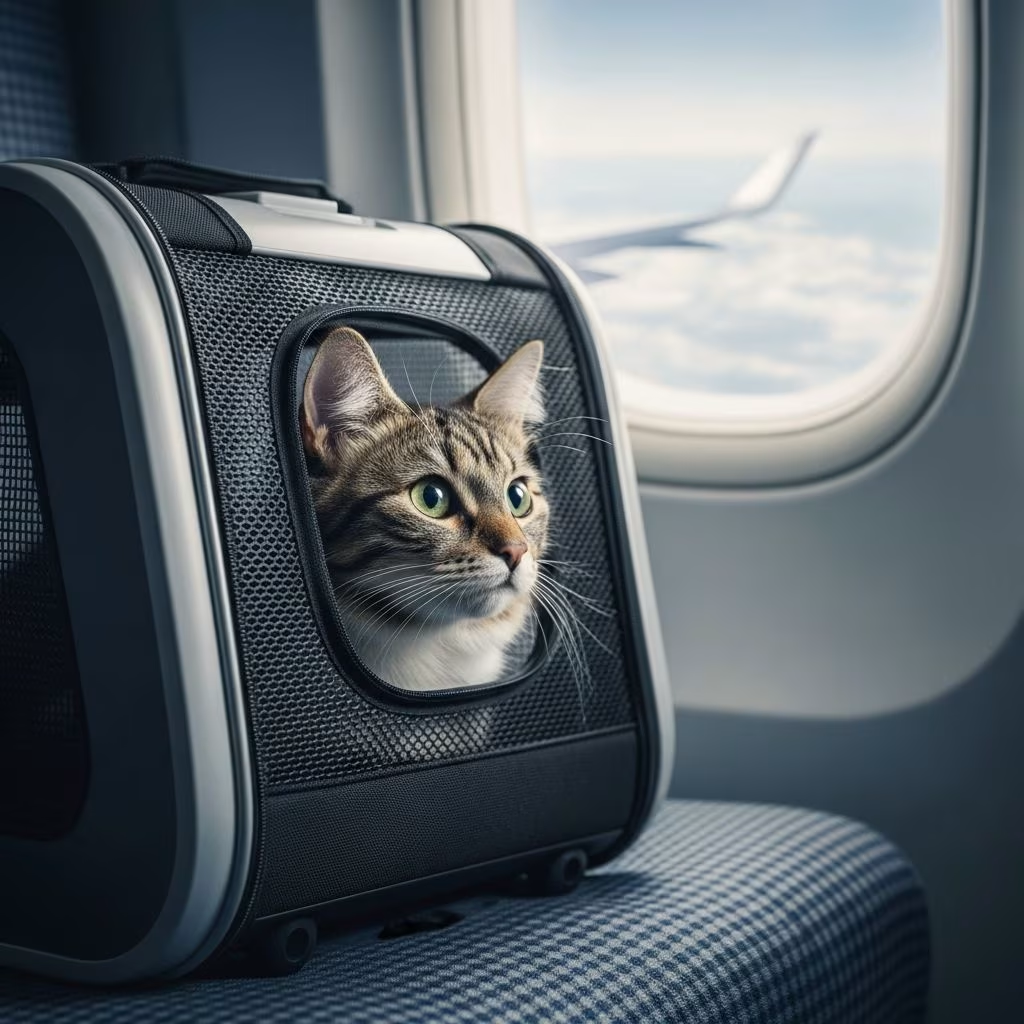
Flying with your cat can be a smooth experience with proper preparation, turning potential stress into a manageable adventure for both you and your feline friend. Most airlines allow cats in the cabin if the carrier fits under the seat, but rules vary by airline, destination, and flight length.
Should You Fly with Your Cat?
Before booking, assess if air travel is necessary for your cat. Cats are territorial and dislike change, so short trips under a week might warrant leaving them with a sitter or in a cattery. If your cat panics during car rides to the vet or shows motion sickness, reconsider flying. However, for moves, emergencies, or vacations where boarding isn’t ideal, flying can work well for calm, carrier-trained cats.
Key considerations include your cat’s personality, health, and age. Kittens and seniors may face extra risks, so consult your vet first. Brachycephalic breeds (flat-faced cats like Persians) should get veterinary clearance due to breathing issues at altitude.
Airline Policies for Cats
Airline rules are strict and change frequently—always check directly with your carrier months in advance. Most U.S. domestic flights permit one cat in-cabin as carry-on if the carrier dimensions fit under the seat (typically 18x14x8 inches or smaller). Limits exist on pets per flight, often 4-7, so book early.
International flights add complexity: the UK bans in-cabin pets, Hawaii requires cargo for all cats, and long-haul flights over 8-12 hours often prohibit in-cabin travel. Cargo hold is an option but riskier—avoid sedation as airlines require alert animals, and temperatures must stay between 45-85°F.
| Airline | In-Cabin Allowed? | Carrier Size Max | Cargo Option | Fee (Domestic RT) |
|---|---|---|---|---|
| Delta | Yes (limited) | 18″L x 11″W x 11″H | Yes | $200 |
| American | Yes | 19″L x 13″W x 9″H | Yes | $150 |
| United | Yes | 18″L x 11″W x 11″H | Yes (petsafe) | $200 |
| Southwest | No | N/A | No | N/A |
Note: Fees are approximate and one-way for in-cabin; cargo is higher. Policies as of recent checks—verify current rules.
Choosing the Right Carrier
Select an airline-approved, hard-sided carrier with ventilation on three sides and a secure door. Soft-sided bags work for in-cabin if they compress to fit under seats. Size it so your cat can stand, turn, and lie down comfortably—measure from nose to tail base, plus height.
- Hard-sided plastic: Durable for cargo, easy to clean.
- Soft-sided: Lighter, more portable for cabin.
- Features to look for: Leak-proof base, padded shoulders, top-opening door for easy access.
Line with absorbent pads, a familiar blanket, and toys. Avoid loose litter to prevent messes.
Carrier Training Your Cat
Carrier training is crucial—start weeks or months ahead to make it a “portable basecamp.” Never force your cat in last-minute, as this builds fear.
Step-by-Step Training:
- Introduce the carrier: Leave it open in a quiet room with treats inside. Praise entry.
- Feed meals inside: Gradually move food deeper. Sessions: 1-2 minutes, multiple times daily over weeks.
- Close the door briefly: For seconds, then minutes, with treats. Carry around the house.
- Simulate travel: Drive short distances, rewarding calm behavior.
- Use pheromones: Feliway spray in carrier reduces anxiety.
Positive reinforcement with high-value treats (tuna, chicken) works best. Train young cats early, but adults adapt too.
Health and Veterinary Preparations
Schedule a vet visit 7-10 days before travel for a health certificate (required within 10 days by most airlines). Ensure vaccinations (rabies mandatory for internationals), flea/tick prevention, and microchip if needed. Discuss anti-anxiety meds only if essential—sedation risks respiratory issues at altitude.
- Required docs: Health cert, rabies cert, airline form.
- For internationals: USDA endorsement, EU pet passport—start 4-6 months early.
Packing for the Flight
Pack light but smart:
- Collapsible litter box and litter (clumping, low-dust).
- Familiar food/water bowls, enough for delays.
- Medications, pheromone wipes.
- Harness/leash if trained (TSA allows).
- Travel emergency kit: Benadryl (vet-dosed), bandages, digital thermometer.
Freeze water in bowls to prevent spills. Secure food bags to avoid enticing odors.
Day-of-Travel Tips
Fast your cat 4-6 hours before (water okay) to prevent vomiting. Arrive 2-3 hours early.
- Airport security: Remove cat from carrier for screening; request private room to avoid escapes. Hold cat securely or use harness.
- At gate: Carrier must stay closed under seat—no peeking out.
- During flight: Cover carrier for security. Speak softly if meowing; pheromone spray helps.
- Litter needs: Line with pads; clean post-flight in bathroom if possible.
Cargo Hold Travel
If in-cabin isn’t possible, use climate-controlled cargo. Label carrier with your contact, “Live Animal,” and feeding instructions. Track via airline app. Risks include noise, temperature—choose direct flights.
After the Flight
Your cat may hide or act out initially—give space, maintain routines. Offer familiar food, clean litter. Watch for stress signs: hiding, aggression, not eating. Most adjust in 1-3 days.
Frequently Asked Questions
Can my cat fly in the cabin with me?
Yes, if the carrier fits under the seat and slots are available. Check airline and destination rules.
Can I let my cat out during the flight?
No, carriers must remain closed and under the seat at all times.
What if my cat needs the litter box mid-flight?
Use absorbent pads in carrier; apologize to neighbors if needed. Clean upon landing.
Is sedation safe for flying cats?
Generally no—risks at altitude. Use training and pheromones instead.
How do I stop my cat from meowing on the plane?
Pre-train in carrier, use pheromone spray, and reassure calmly.
Can I buy a seat for my cat?
No, but book as carry-on. Emotional support animals have separate rules (vet letter needed).
Final Tips for Success
Book early, train thoroughly, and stay calm—your vibe affects your cat. Direct flights minimize stress. With preparation, flying can strengthen your bond.
References
- Traveling With Your Cat: Tips and Tricks — Uniquely Cats Veterinary Center. 2023. https://www.uniquelycats.com/blog/traveling-with-your-cat-tips-and-tricks/
- The Complete Guide To Flying With Your Cat — Cats.com (vet-reviewed). 2024-10-15. https://cats.com/complete-guide-to-flying-with-your-cat
- Tips for Flying with Cats — Jackson Galaxy. 2023-05-20. https://www.jacksongalaxy.com/blogs/news/tips-for-flying-with-cats
- How to Get a Cat in a Carrier — Kinship. 2024. https://www.kinship.com/cat-behavior/cat-carrier-training
- Can I Travel With My Cat? What to Consider — Adopt a Pet. 2025-12-23. https://www.adoptapet.com/blog/adoption/how-to-travel-with-a-cat



