

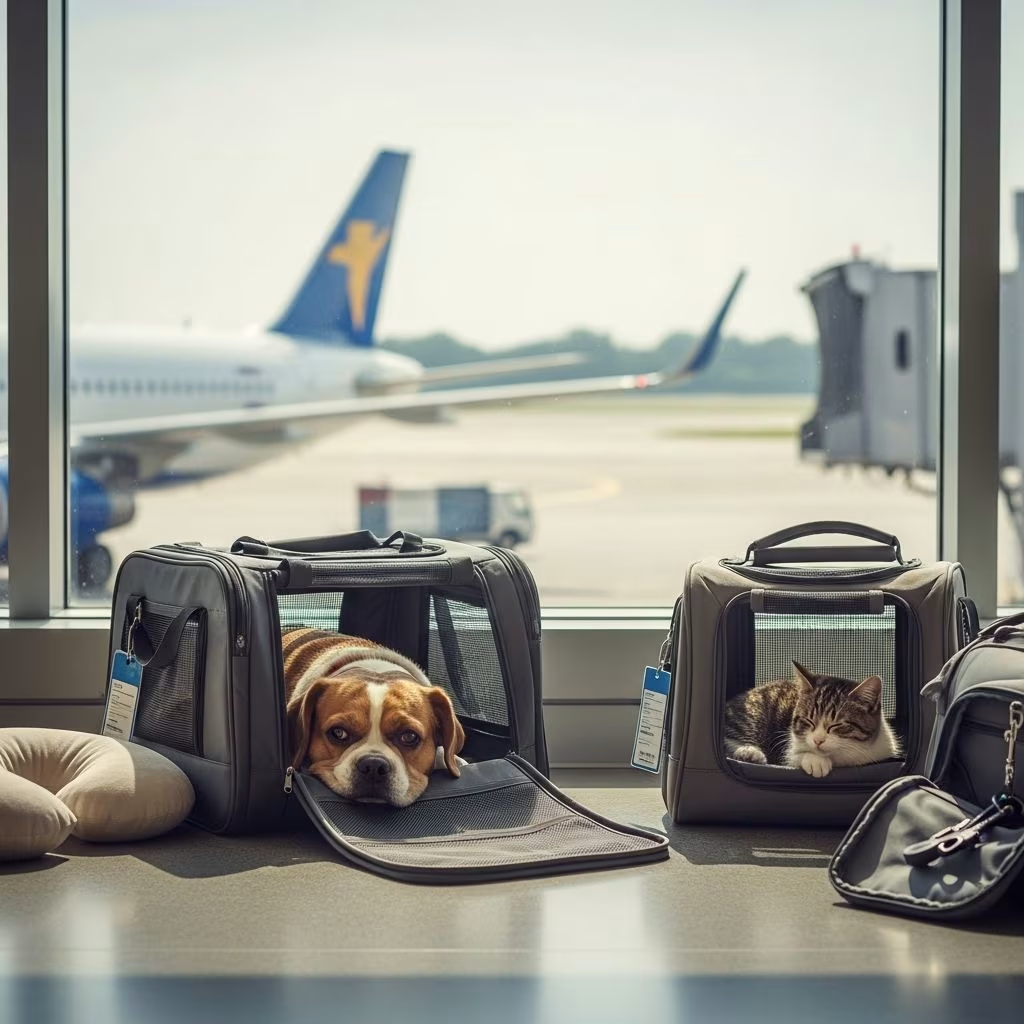
How To Fly With A Dog or a Cat
Traveling by air with your beloved pet can be an exciting adventure, but it requires careful planning and understanding of airline policies. Whether you’re heading on vacation or relocating, flying with your dog or cat involves important decisions about how your pet will travel and what preparations are necessary. This comprehensive guide will help you navigate the process of air travel with your furry companion.
In-Cabin vs. Cargo: Understanding Your Pet’s Travel Options
When flying with your pet, you have two primary options: in-cabin travel or cargo hold travel. The choice depends on your pet’s size, the airline’s policies, and your comfort level with each option.
In-Cabin Travel
Pets traveling in the cabin remain under the direct custody of their pet parents throughout the flight. This option is typically reserved for small dogs and cats that can comfortably fit inside an airline-approved soft-sided carrier that slides under the seat in front of you. The key requirement is that your pet must remain in the carrier for the entire duration of the flight. Unfortunately, your dog cannot sit in your lap, regardless of how small they are. Airlines maintain this policy for safety and comfort reasons.
Cargo Hold Travel
Larger pets travel in the cargo hold area of the aircraft, where they are placed in the airline’s custody. This option allows bigger dogs and cats to fly with you, but it comes with specific considerations. It’s important to note that some major airlines, including Southwest, JetBlue, and Spirit, do not transport pets in cargo at all. Additionally, certain brachycephalic breeds—flat-faced dogs like Pugs and Boxers, and flat-faced cats like Persians and Himalayans—should not fly in cargo because they face higher risks of breathing problems due to pressure changes and limited ventilation in the cargo hold.
Should I Fly With My Dog or Cat?
Before booking your flight, consider whether air travel is the best option for your pet. Several factors should influence your decision, including your destination, your pet’s health, breed characteristics, and airline policies in your area.
Destination Considerations
The location you’re traveling to significantly impacts the requirements for flying with your pet. If you’re traveling within the United States, documentation requirements vary by state. Some destinations require a health certificate or vaccination records, while others do not. For example, Hawaii, which maintains a rabies-free status, requires specific paperwork and vaccinations to prevent the introduction of rabies to the islands. Before booking your flight, research your destination’s specific pet import requirements.
Health and Breed Factors
Consult with your veterinarian before flying with your pet, especially if your dog is a brachycephalic breed. Veterinarians strongly recommend against flying with flat-faced breeds due to their heightened sensitivity to pressure changes, recycled air, and other environmental stressors found on aircraft. These breeds are at significantly higher risk for respiratory distress during flight.
Airline Pet Policies and Fees
Each airline maintains its own specific pet policies, including allowable pet types, carrier requirements, weight restrictions, and fees. Understanding these policies before booking is essential for a smooth travel experience.
| Airline | Pet Fee | Permitted Pets | Special Considerations |
|---|---|---|---|
| Delta Airlines | $95 domestic; $200 international | Dogs, cats, and birds | Birds only permitted on domestic flights, excluding Hawaii, U.S. Virgin Islands, Puerto Rico, and Guam |
| Frontier Airlines | $99 per segment | Dogs, cats, rabbits, guinea pigs, hamsters, and birds | Does not allow pets to be checked as cargo; in-cabin only |
| Spirit Airlines | $125 | Dogs, cats, and birds | Pets not allowed as cargo or in cabin on international flights (except service animals) |
| United Airlines | $150 | Dogs and cats | Pets cannot be checked as cargo unless traveling with active-duty military or State Department employees |
| Alaska Airlines | $50-$100 per segment | Small dogs and cats | Pets allowed in both cabin and cargo; cargo pets up to 150 pounds with kennel |
| Allegiant | $50 per carrier, per segment | Dogs and cats only | In-cabin only; soft-sided carrier recommended; no health certificate required |
Understanding Carrier Requirements
Most airlines require in-cabin pets to travel in soft-sided carriers with specific dimensions. Common requirements include carriers that fit under the seat, typically measuring around 18x14x8 to 18x11x11 inches, depending on the airline. The combined weight of your pet and carrier usually cannot exceed 20 pounds. Hard-sided carriers are sometimes permitted but soft-sided options are generally preferred by airlines because they fit more easily under seats. Your carrier must include adequate ventilation and, for some airlines, multiple ventilation openings.
Preparing Your Pet for Flight
Successful air travel with your pet begins long before you arrive at the airport. Proper preparation ensures your pet remains calm and comfortable throughout the journey.
Acclimate Your Pet to the Carrier
One of the most critical preparation steps is getting your pet comfortable with their travel carrier before the flight. Begin this process weeks in advance if possible. Start by leaving the carrier in your home with the door open, allowing your pet to explore it at their own pace. Once they seem comfortable, close the door for short periods, gradually increasing the duration. If you’re taking a five-hour flight, work up to keeping your pet comfortable in the carrier for extended periods—at least six to seven hours. Take your pet on short car trips in the carrier to simulate the travel experience. Always use positive reinforcement with treats, and never use the carrier as punishment.
Pack an Essential Pet Travel Bag
Prepare a dedicated bag for your pet similar to what you would pack for a small child. This bag should contain:
- Collar and leash
- Dog poop bags and pee pads (with cleaning supplies)
- Water and food bowls
- Treats and your pet’s regular food
- Extra food in case checked luggage gets lost
- Any medications your pet takes regularly
- Favorite toys and bedding
- Pet first-aid kit
- Vaccine records, health certificates, and necessary paperwork
Dietary Considerations
Bring your dog’s or cat’s usual food and treats to avoid digestive upset from sudden diet changes. Travel can be stressful enough for your pet without adding potential stomach issues to the mix. Pack enough extra food to last several days in case your checked luggage is delayed or lost.
Documentation and Health Records
Before traveling, ensure you have all necessary documentation. This may include vaccine records, health certificates, and any other paperwork required by your destination. Some states and countries have specific health requirements, particularly regarding rabies vaccination. Contact your airline and destination ahead of time to confirm all documentation needs.
Day-of-Travel Tips
On the day of your flight, take specific steps to ensure your pet’s comfort and safety.
Seat Selection
Book seats strategically when flying with your pet in the cabin. Consider booking an aisle seat near the front of the aircraft, which may allow easier access for bathroom breaks and movement during layovers.
Cargo Hold Travel
If your pet is traveling in cargo, understand that they will be loaded into the belly of the plane. Pets in cargo are generally the last to be loaded and the first to be unloaded. Many airlines will not allow pets to fly in cargo if temperatures are too hot or too cold, so check weather conditions when booking your flight. Inquire about your airline’s specific cargo protocols during check-in.
Frequently Asked Questions
Q: Can my dog sit in my lap during the flight?
A: No. Airline regulations require all pets traveling in cabin to remain in their carrier for the entire flight. Your pet cannot sit in your lap, regardless of size. This policy ensures passenger safety and comfort for all travelers.
Q: What is the maximum weight for in-cabin pets?
A: The combined weight of your pet and carrier typically cannot exceed 20 pounds. However, specific weight limits vary by airline, so check with your carrier for exact requirements.
Q: Do service dogs have to pay a pet fee?
A: No. All service dogs are federally required to travel free with their handlers. Emotional support animals, however, must travel under regular pet policies and may be subject to fees.
Q: What happens if my pet’s luggage is lost?
A: This is why packing extra food and medications in your carry-on is essential. If checked luggage containing pet supplies is delayed or lost, you’ll have backup items to keep your pet comfortable and healthy.
Q: Can I fly internationally with my pet?
A: Yes, but international travel involves additional requirements. Different countries have varying regulations regarding pet imports, including health certificates, vaccinations, microchipping, and quarantine periods. Contact your airline and destination country well in advance to understand all requirements.
Q: Should I sedate my pet for the flight?
A: Consult your veterinarian before considering sedation. While some pet owners consider this option, many vets recommend against it due to potential risks associated with medication at altitude. Proper carrier training and familiarity typically provide better results than sedation.
Q: Are there breed restrictions for flying?
A: While most airlines don’t explicitly restrict breeds for in-cabin travel, brachycephalic breeds face specific restrictions for cargo. Veterinarians recommend against flying with flat-faced breeds due to respiratory risks. Always discuss your pet’s specific breed with your veterinarian and airline.
Conclusion
Flying with your dog or cat requires careful planning, but with proper preparation and understanding of airline policies, you can ensure a safe and comfortable journey for your furry companion. Research your airline’s specific policies, prepare your pet well in advance, pack all necessary items, and consult with your veterinarian to address any health concerns. By following these guidelines, you and your pet can enjoy stress-free air travel together.
References
- How To Fly With A Dog or a Cat — Chewy. 2025. https://www.chewy.com/education/dog/general/flying-with-pets
- The Complete Airline Pet Policy Guide for U.S. Airlines — Chewy. 2025. https://www.chewy.com/education/dog/general/complete-airline-pet-policy-guide-for-all-u-s-airlines
- 9 Secrets for Traveling With a Dog on a Plane — Chewy. 2025. https://www.chewy.com/education/dog/general/9-secrets-for-traveling-with-a-dog-on-a-plane
- How To Travel With a Dog Anywhere, According to Experts — Chewy. 2025. https://www.chewy.com/education/dog/general/how-to-travel-with-a-dog
- Your Guide to Traveling With a Dog Over the Holidays — Chewy. 2025. https://www.chewy.com/education/dog/pet-parenting/stress-free-tips-traveling-dog-holiday-season
- How to Travel With a Dog by Plane, Train and Automobile — Chewy. 2025. https://www.chewy.com/education/dog/general/tips-to-road-trip-with-dog
- 11 Tips for Traveling With a Puppy — Chewy. 2025. https://www.chewy.com/education/dog/new-dog/7-tips-for-traveling-with-a-puppy



