

How to Find a Wildlife Rehabilitator Near You
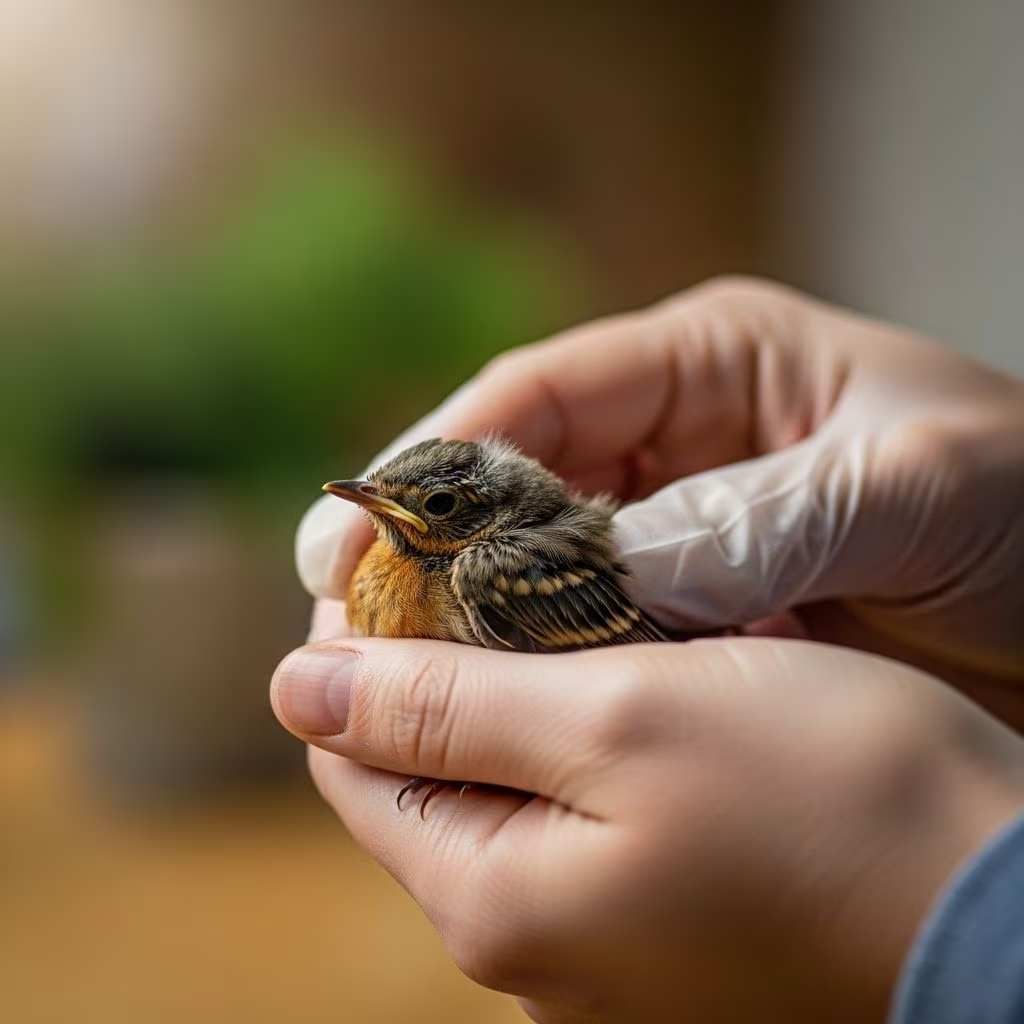
Discovering an injured baby bird, a squirrel hit by a car, or a crow unable to fly can be distressing. Fortunately, licensed wildlife rehabilitators are trained professionals equipped to provide emergency care and rehabilitation for wild animals in distress. Finding a wildlife rehabilitator near you is the best course of action when you encounter injured or orphaned wildlife. In many situations, professional assessment is critical—the animal might not actually need intervention, and a rehabilitator can guide you in properly evaluating the situation.
Time is often the deciding factor in wildlife emergencies. Animals rescued by wildlife rehabilitators frequently suffer from shock, exposure, dehydration, and malnutrition. Even a delay of just a few hours can significantly reduce an animal’s survival chances. Most licensed wildlife rehabilitators operate 24 hours a day, seven days a week, making them accessible during emergencies at any hour.
Being proactive and identifying a wildlife rehabilitator before an emergency occurs provides peace of mind. When you have contact information readily available, you’ll feel confident reaching out in the middle of the night if necessary, knowing exactly who can help and how quickly they can respond.
Why Wildlife Rehabilitation Matters
Wildlife rehabilitation serves a vital role in animal welfare and ecosystem health. Rehabilitators are licensed professionals who dedicate their careers to rescuing, treating, and releasing wild animals back into their natural habitats. They possess specialized knowledge about different species’ dietary needs, behavioral patterns, medical conditions, and environmental requirements.
When an injured or orphaned animal receives proper professional care, its chances of successful recovery and release back into the wild increase dramatically. This process not only saves individual animals but also helps maintain healthy wildlife populations and ecological balance in communities.
How Do I Find a Wildlife Rehabilitator Near Me?
Multiple reliable resources can help you locate a wildlife rehabilitator in your area. Understanding these options ensures you can quickly access help during an emergency.
State Wildlife Departments
Your state wildlife department is often your first and most direct resource for locating wildlife rehabilitators. These agencies maintain official registries and lists of licensed rehabilitators operating within your state. Depending on your location, your state wildlife department may be called the Game and Fish Department, the Department of Natural Resources, or the Department of Wildlife Resources. Contact your local office, and staff can provide you with information about licensed rehabilitators in your specific area and direct you to the most appropriate resource for the type of wildlife you’ve found.
Animal Help Now
Animal Help Now is a digital platform designed specifically for animal emergencies. This service leverages technology to immediately connect individuals who have encountered wildlife emergencies with appropriate time- and location-specific resources and services. Simply enter your location, specify that you need help with a wildlife emergency, and the platform will provide you with nearby rehabilitators and rescue services. Animal Help Now offers coast-to-coast coverage, making it an invaluable resource regardless of where you live.
The International Wildlife Rehabilitation Council (IWRC)
The International Wildlife Rehabilitation Council provides comprehensive resources for both individuals who have found distressed animals and for wildlife rehabilitators themselves. Their website features a directory of wildlife rehabilitators organized by location. Additionally, the IWRC’s Resources tab includes information on emergency assistance options. Visit their website and navigate to the “Emergency” section to find rehabilitators and other helpful wildlife resources in your area.
The National Wildlife Rehabilitators Association (NWRA)
The National Wildlife Rehabilitators Association is a premier organization serving both people who discover injured wildlife and the rehabilitators who help them. The NWRA provides extensive resources and maintains a comprehensive map under its Resources tab that compiles licensed wildlife rehabilitators by state. Their “Help! I’ve Found an Injured Animal” page walks you through multiple methods for locating licensed wildlife rehabilitators in your specific city and state. You can also contact the NWRA central office directly at 320-230-9920 for personalized assistance in finding a rehabilitator near you.
Best Friends Animal Society’s Wild Friends Department
Best Friends Animal Society operates a dedicated Wild Friends department that assists individuals who have encountered wildlife emergencies. You can reach them during business hours at 435-274-2198, after hours at 559-MED-WILD, or by text at 435-689-0855. Their team can help connect you with appropriate wildlife rehabilitation resources in your area.
Understanding When an Animal Needs Help
Not every wild animal you encounter requires professional intervention. Wildlife rehabilitators can often provide valuable guidance by phone, helping you determine whether an animal truly needs rescue or if it’s best left in its natural environment. Common situations that appear to warrant rescue—such as a fledgling bird on the ground or a young mammal alone—may actually be normal stages of development.
Fledgling birds, for example, spend time on the ground as part of the natural learning process, with parent birds continuing to feed and care for them nearby. Similarly, many young mammals are briefly left alone by their mothers while she forages. A wildlife rehabilitator can help you assess the situation accurately and determine the appropriate course of action.
Safety Considerations
When you contact a wildlife rehabilitator, they don’t just help the animal—they also ensure everyone involved stays safe during the rescue process. Wild animals may bite, scratch, or carry diseases, and improper handling techniques can injure both the animal and the person attempting rescue. Licensed rehabilitators have the training, equipment, and experience to safely capture, contain, and transport injured or frightened wildlife.
By involving a professional, you protect yourself, your family, and the animal from potential harm or further injury.
Taking Action During Wildlife Emergencies
If you have found a wild animal in distress, contact a wildlife rehabilitator immediately. Time can be the difference between life and death in emergency situations. Even just a half hour can significantly impact an animal’s survival prospects. Have your location information ready, describe the animal’s condition clearly, and follow the rehabilitator’s instructions carefully.
While waiting for professional help, keep the animal warm, quiet, and in a dark, ventilated container if possible. Minimize handling and avoid offering food or water unless specifically instructed by the rehabilitator, as improper feeding can be harmful. These preliminary steps help stabilize the animal until professional care becomes available.
Preparing Before an Emergency
The ideal time to find a wildlife rehabilitator is before you actually need one. Research the resources available in your area during normal business hours, write down phone numbers, bookmark websites, and save contact information in your phone. This preparation means you won’t waste precious time searching for help during a stressful emergency situation when every minute counts.
Consider sharing this information with neighbors, friends, and family members. Many people encounter injured wildlife but don’t know where to turn for help. By spreading awareness about local wildlife rehabilitation resources, you can help multiple animals receive the care they need.
Regional Resources and State-by-State Information
While national organizations provide broad resources, many states maintain their own comprehensive directories of licensed wildlife rehabilitators. These state-specific resources often organize rehabilitators by region, county, or animal type, making it easier to find the most relevant help for your specific situation. Many state wildlife agencies provide searchable maps, PDF lists, or interactive databases.
If your state does not maintain an online listing of rehabilitators, contact your state wildlife department’s regional office directly. Staff members can provide personalized recommendations and connect you with appropriate rehabilitation services in your area.
Frequently Asked Questions
Q: Are wildlife rehabilitators available at night and on weekends?
A: Yes, most licensed wildlife rehabilitators operate 24 hours a day, seven days a week, because animal emergencies don’t follow business hours. This round-the-clock availability ensures you can get help whenever you discover an injured or orphaned animal.
Q: Do I need to pay for wildlife rehabilitation services?
A: Payment policies vary by rehabilitator and location. Some operate as non-profit organizations and rely on donations, while others may charge fees. Contact your local rehabilitator directly to ask about their payment structure.
Q: What should I do while waiting for a wildlife rehabilitator to arrive?
A: Keep the animal warm, dark, and quiet in a well-ventilated container. Minimize handling and avoid offering food or water unless instructed by the rehabilitator. These steps help prevent further stress and injury to the animal.
Q: Can I care for a wild animal myself?
A: It’s not recommended. Wild animals have specialized dietary, medical, and environmental needs that require professional training. Additionally, most states require permits for wildlife rehabilitation. Licensed rehabilitators have the expertise, equipment, and legal authorization to provide appropriate care.
Q: What types of animals do wildlife rehabilitators help?
A: Wildlife rehabilitators typically help native wild animals including birds, mammals, reptiles, and amphibians. Some rehabilitators specialize in specific species or types of animals, while others provide general services. Check with your local rehabilitator about their specialties.
Q: How long does the rehabilitation process take?
A: The duration varies greatly depending on the animal’s injuries, species, and condition. Some animals recover in days or weeks, while others require months of specialized care before they can be safely released back into the wild.
References
- Locating a Wildlife Rehabilitator — PETA. 2024. https://www.peta.org/issues/wildlife/wildlife-emergencies/locating-wildlife-rehabilitators/
- How to Find a Wildlife Rehabilitator Near You — Best Friends Animal Society. 2024. https://bestfriends.org/pet-care-resources/how-find-wildlife-rehabilitator-near-you
- Find Wildlife Rescue and Rehabilitators by State — Humane World. 2024. https://www.humaneworld.org/en/resources/find-wildlife-rescue-and-rehabilitators-state
- Animal Help Now: Emergency Resource — Animal Help Now. 2024. https://ahnow.org
- Help! I’ve Found an Injured Animal — National Wildlife Rehabilitators Association. 2024. https://www.nwrawildlife.org



