

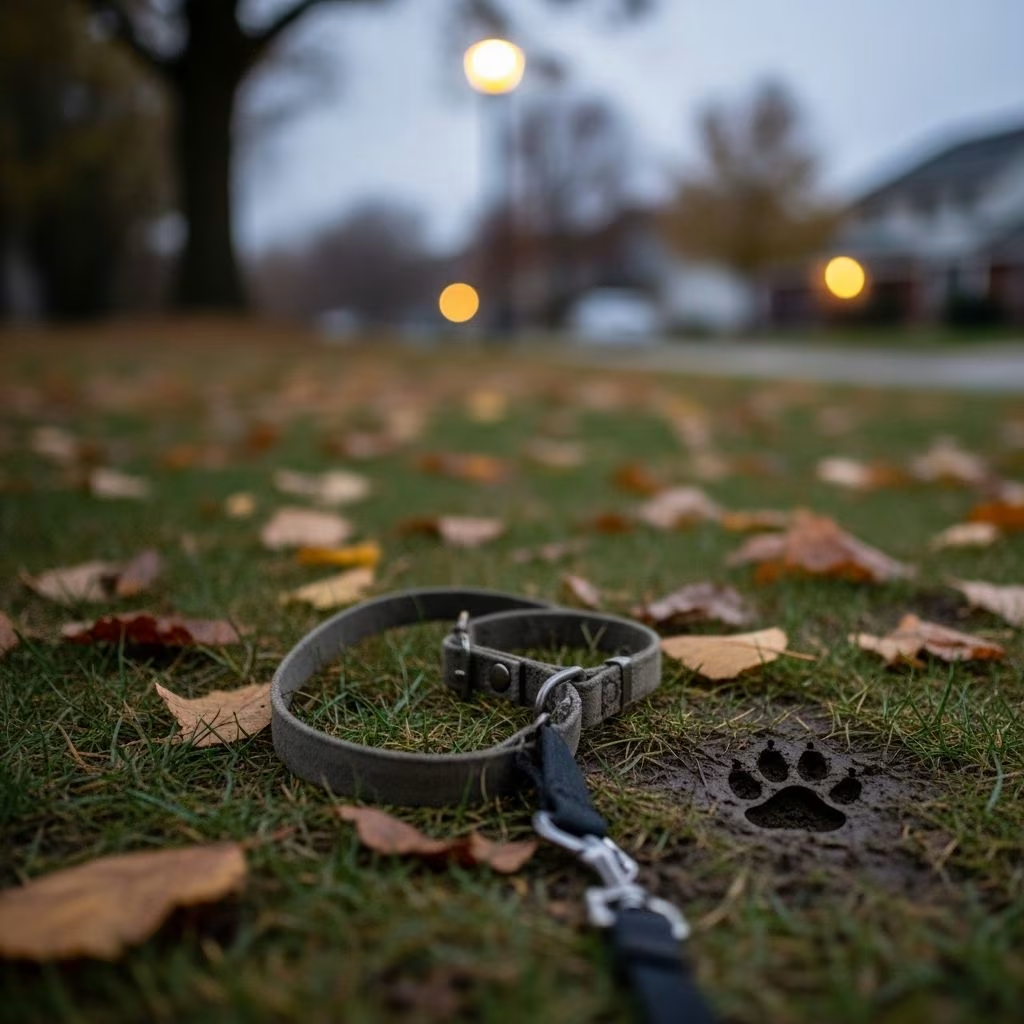
Losing a beloved pet is one of the most stressful experiences a pet owner can face. Whether your dog slipped through an open door, your cat wandered outside, or another pet has gone missing, time is of the essence. The key to a successful reunion is to begin your search immediately and follow a comprehensive action plan. This guide provides you with essential steps and strategies to help locate your missing pet and bring them safely back home.
Take Immediate Action
The first thing to understand about finding a lost pet is that every moment counts. The sooner you begin searching, the higher your chances of finding your companion. Don’t delay in hoping your pet will return on their own—instead, take proactive steps right away. Start by contacting local animal shelters and rescue organizations for advice on how to proceed with your search efforts.
Many people become overwhelmed with panic or grief when their pet goes missing, which can actually hinder their search efforts. Calming yourself down is the first critical step toward a successful reunion. Emotional distress can cloud your judgment and prevent you from thinking clearly about the best search strategies. Take a few deep breaths, remind yourself that many lost pets are successfully reunited with their families, and then begin your systematic approach to finding your pet.
Inform Your Community
One of the most effective ways to find a lost pet is to spread the word throughout your community. People in your neighborhood are your eyes and ears, and many are willing to help if they know what to look for.
Talk to Everyone
Make it a point to ask everyone you encounter whether they’ve seen your lost pet. This includes neighbors, children playing outside, mail carriers, delivery personnel, and pedestrians in the area. Show each person a clear photo of your pet so they know exactly what to look for. Even if people haven’t seen your pet, they may agree to keep their eyes open and watch for your companion in the days ahead.
Leverage Social Media and Online Communities
In today’s connected world, social media can be an incredibly powerful tool for finding lost pets. Join all local pet groups on Facebook and neighborhood groups on Nextdoor.com. Post about your lost pet with a good-quality photo, a clear description, your contact information, and the last known location where your pet was seen. These community groups have thousands of members who actively look out for lost animals and share information rapidly.
Additionally, place a lost pet ad on your local Craigslist page with the title “Lost Cat” or “Lost Dog,” along with a brief description, your contact information, and the location where your pet disappeared. These online platforms can reach a wide audience quickly and increase the chances of someone spotting your pet.
Create and Distribute Lost Pet Flyers
A well-designed missing pet flyer is one of the most effective aids in your search. Physical flyers posted throughout your neighborhood keep your pet’s image in front of potential helpers and remind people to stay alert.
Designing Your Flyer
Your lost pet flyer should include a high-quality photo of your pet that clearly shows their distinctive features and markings. Write “LOST PET” in large black letters at the top of the flyer to grab attention. Include a thorough description of your pet, including their size, color, distinctive markings, breed (if known), and any special characteristics. Make sure your phone number is clearly visible so that anyone who spots your pet can contact you immediately. If you can afford it, consider offering a reward, as this often motivates people to take your search more seriously.
Posting Your Flyers
Paste your flyers on fluorescent poster board to make them stand out visually. Post them throughout the neighborhood where your pet was lost, as well as in the area around your home, since animals often try to find their way back to their home neighborhood. Distribute flyers at local businesses, community bulletin boards, veterinary clinics, animal shelters, pet supply stores, and other high-traffic locations. For creating and posting flyers efficiently, you can visit websites like lostmydoggie.com, which provides tools for generating professional lost pet flyers.
Visit Local Animal Shelters and Veterinary Clinics
When a pet goes missing, shelters and veterinary clinics are often the first places people check. However, it’s crucial to take a hands-on approach rather than relying solely on phone calls.
Shelter Visits
Go in person to all animal shelters in your area instead of just calling them. Shelter employees are often extremely busy, and you cannot depend on someone remembering that an animal matching your pet’s description was brought in. Visit every shelter and ask to see all the animals, checking every cage yourself. Bring a color photo of your pet with your phone number written on it to leave with the shelter staff. Make it a priority to return to each shelter every single day, as new animals are brought in regularly and staff changes occur throughout the day.
Veterinary Clinic Contacts
Call area veterinary clinics and send them a photo of your pet. Ask whether any animal fitting your pet’s description has been brought in for treatment or examination. Injured or sick lost pets are sometimes taken to veterinary clinics by Good Samaritans, so this avenue is worth pursuing thoroughly. Leave your contact information with each clinic so they can reach you if your pet arrives.
Search Strategies for Dogs
Dogs have specific behaviors when they go missing, and understanding these behaviors can help you develop an effective search strategy.
Neighborhood Search
Begin by searching your neighborhood carefully and thoroughly. Most lost dogs are found within one mile of their home, so focus your initial efforts on the immediate area. Walk every street, check hiding spots like bushes and under porches, and ask residents about sightings.
Late Night and Early Morning Searches
During late night or very early morning hours, go to the place where your dog was lost. Bring your dog’s favorite food and a flashlight. Call your dog’s name and wait patiently to see whether they show up. Dogs are often more willing to approach familiar people when there is less activity and noise. Repeat this process multiple times, as your dog may need several opportunities to hear your voice and smell the food before feeling brave enough to emerge from hiding.
Additional Resources
For more detailed information on lost dog behavior and recovery techniques, check out the Missing Animal Response Network’s Lost Dog Behavior guide, which provides scientific insights into how dogs typically act when separated from their homes.
Search Strategies for Cats
Cats have very different behaviors from dogs when lost, requiring tailored search approaches.
Indoor Cat Considerations
Search your neighborhood carefully, paying special attention to enclosed spaces. Cats can wander into a neighbor’s basement, garage, shed, or other enclosed areas, fall asleep, and get accidentally shut inside. Indoor cats that escape often remain close to home but hide in fear, so thoroughly check all potential hiding spots within a few houses of yours.
Late Night and Early Morning Searches
During late night or very early morning hours when there is minimal activity, go to the place where your cat was lost. Bring your cat’s favorite food and a flashlight. Call your cat’s name and wait to see whether they respond. Cats are typically more active and willing to move around during these quiet hours. Repeat this process repeatedly, as it may take several attempts before your cat feels safe enough to respond.
Humane Trapping
Many indoor cats become fearful once they’re outdoors and may not respond even when their owners call. In such cases, borrowing a humane trap and setting it up with tasty food inside at the location where you last saw your cat can be highly effective. This allows you to safely capture your frightened feline for reunion. For comprehensive details on lost cat behavior and recovery strategies, consult the Missing Animal Response Network’s Lost Cat Behavior guide and “The Case of the Missing Cat: How to Increase the Odds of Finding Your Lost Feline.”
Report to Police if Theft is Suspected
If you suspect that your pet might have been stolen rather than simply lost, report your pet missing to the police. Police records sometimes contain information about animals that have been hit by a car or other incidents. They can also direct you to the appropriate department that handles such matters and may provide additional investigative support.
Check for Microchips and Identification
If you have found a lost pet and are trying to reunite it with its family, checking for a microchip is a critical step. Most veterinarians and pet supply stores have microchip scanners and will scan any found pet free of cost. A microchip is often the most reliable way to identify a pet’s owner and facilitate a quick reunion.
Use Technology and Photo-Matching Services
Modern technology offers innovative solutions for finding lost pets. Services like Petco Love Lost are free national services that use photo-matching technology to reunite lost pets. These platforms can make automatic matches between pets you post and multiple databases, including local shelters’ found-pet databases, Nextdoor, and Neighbors by Ring. Using these services significantly increases your chances of finding or helping a lost pet before it ends up in a shelter.
File Found Pet Reports
If you have found a lost pet, contact your local shelter to file a found pet report. This alerts the shelter staff and helps facilitate reunion when the pet’s family calls or visits looking for them. The more information and photos you provide, the easier it will be for the shelter to make a match.
Never Give Up
Perhaps the most important thing to remember is that persistence is often the key to finding a lost pet. Some animals have been found after months of being missing. Continue your search efforts, keep posting on social media, refresh your flyers, and regularly check shelters. Your dedication and determination can make all the difference in bringing your beloved companion home.
Frequently Asked Questions About Lost Pets
Q: How long should I search for my lost pet each day?
A: Search as frequently as possible, especially during early morning and late evening hours when your pet is more likely to be active. Visit shelters daily and check online platforms multiple times per day to respond quickly to any sightings.
Q: What should I do if someone claims to have seen my pet?
A: Ask for detailed information about the sighting, including the exact location, time, and direction the pet was heading. Follow up immediately and bring supplies like your pet’s favorite food and a carrier to safely capture or secure your pet.
Q: How far will my lost pet typically travel?
A: Most lost dogs are found within one mile of home. Cats typically stay even closer. However, factors like weather, temperament, and circumstances of how they got lost can influence how far they travel.
Q: Should I offer a reward for my lost pet?
A: If you can afford it, offering a reward often motivates people to take your search more seriously and report sightings promptly. Include the reward amount on your flyers and social media posts.
Q: What is a microchip and why is it important?
A: A microchip is a small device implanted under your pet’s skin that contains identification information. If your lost pet is found and scanned, the microchip can be used to identify your pet and reunite you quickly. Many shelters and veterinary clinics scan all found animals.
Q: Can I rely on my pet returning home on their own?
A: While some pets do find their way home, you should not rely on this. Taking active search measures significantly increases your chances of a successful reunion and should be your primary focus.
References
- How to Find a Lost Dog, Cat, or Other Pet — Best Friends Animal Society. 2025. https://bestfriends.org/pet-care-resources/how-find-lost-dog-cat-or-other-pet
- Where, Oh Where Has My Little Dog Gone — Best Friends Animal Society. 2025. https://bestfriends.org/network/blog/where-oh-where-has-my-little-dog-gone
- What to Do if You’ve Found a Lost/Stray Dog or Cat — Best Friends Animal Society. 2025. https://bestfriends.org/pet-care-resources/what-do-if-youve-found-lost-stray-dog-or-cat
- Lost Pets & Return-to-Home — Best Friends Animal Society. 2025. https://bestfriends.org/network/issues/lost-pets-return-home
- Using Pet Microchips to Find Lost Pets — Best Friends Animal Society. 2025. https://bestfriends.org/pet-care-resources/issues/lost-or-found-pets



