

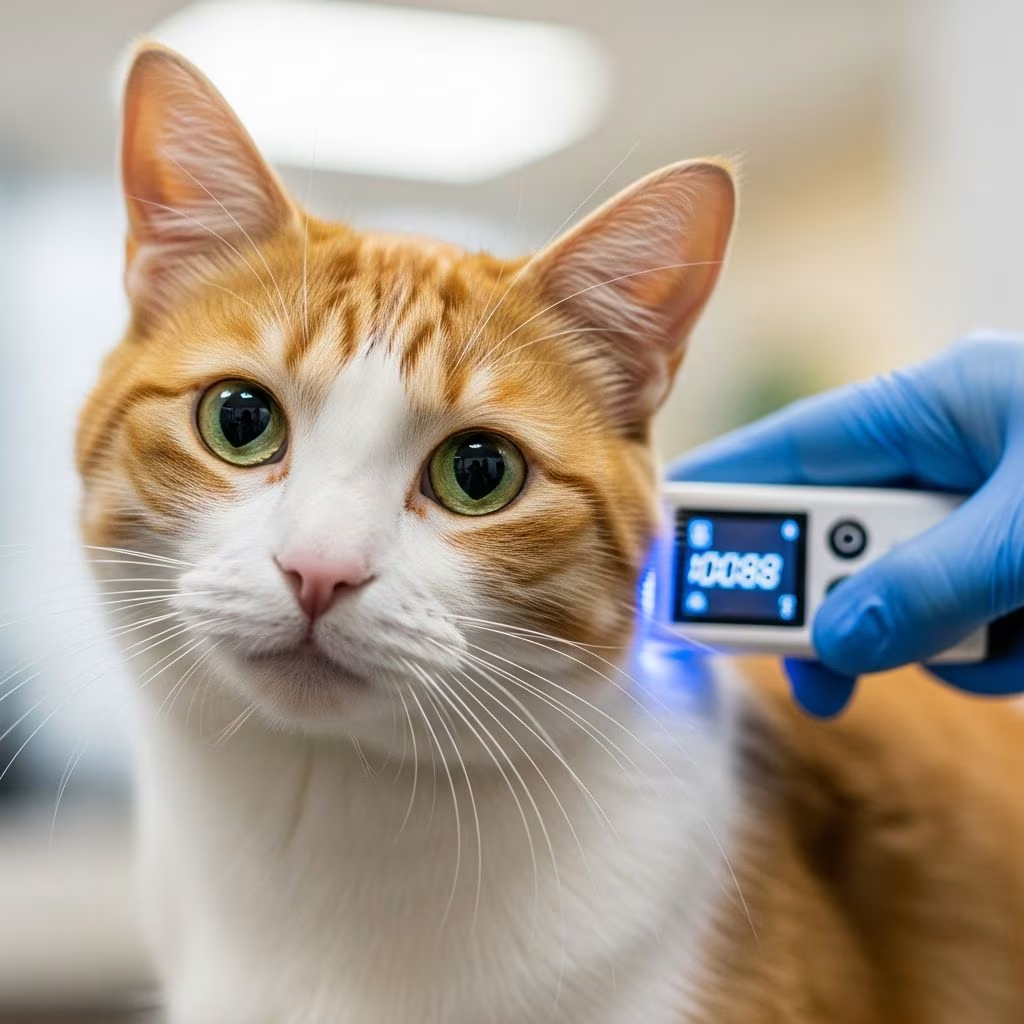
Losing a cat can be heartbreaking, but if your feline friend has a microchip, you have a powerful tool for reunion. Microchips significantly increase recovery chances by allowing shelters, vets, and good Samaritans to identify and contact you quickly, provided records are current. This comprehensive guide outlines every step from immediate actions to long-term prevention, drawing on proven strategies to bring your cat home safely.
What Is a Microchip and How Does It Work?
A microchip is a tiny, rice-sized electronic device implanted between your cat’s shoulder blades. It contains a unique identification number readable by a handheld scanner. When scanned, it reveals registry details linked to your contact information. Studies show microchipped pets are far more likely to be returned; for instance, chipped cats in shelters could empty facilities if universally adopted. However, efficacy depends on registration and updates—unregistered chips are useless.
Implantation is quick, painless, and done by vets during routine visits. Cost is minimal, often under $50, and it’s recommended for all cats, indoor or outdoor. Annually scan at vet visits to ensure it hasn’t migrated, a rare but possible issue where the chip shifts, requiring alternative scanning spots.
Immediate Steps: Update Your Microchip Records Right Away
The first action upon noticing your cat missing is verifying and updating microchip details. Outdated info is the top reason chipped pets aren’t reunited. Contact the registry immediately to confirm your phone, email, and address, then mark your cat as lost—this flags scanners at intake points.
- Locate the registry: Check implantation papers or certificate for the company name.
- If unknown: Use tools like petaddress.com.au (Australia) or equivalent national databases to search by chip number.
- No chip number? Call your vet, adoption shelter, council, or breeder—they often have records.
Report as lost online or by phone; many registries notify affiliated vets and shelters automatically. In regions like Australia, multiple registries exist (e.g., Central Animal Records, Australian Animal Registry, PetSafe), plus state-specific ones like NSW Pet Registry—check all. Keep multiple contacts listed, including backups, for reliability.
Search Your Property and Neighborhood First
Most lost cats (up to 61% recovered within a year, 34% in 7 days) hide nearby, stressed and avoiding detection. Indoor cats rarely travel far; outdoor ones might roam but return to familiar scents. Start indoors: check hiding spots like closets, appliances, and vents—cats can squeeze into tiny spaces.
Expand outward:
- Search your yard, sheds, and under decks at dawn/dusk when cats are active.
- Check neighbors’ properties politely, leaving scent items like used litter or bedding.
- Avoid common errors: Don’t put litter outside (attracts others) or call loudly (scares hiding cats).
Use trail cameras or home cams to monitor hotspots without disturbing your cat. Tailor to personality: shy cats hide close; bold ones explore further.
Contact Shelters, Vets, and Authorities
Even with chips, staff might miss scans due to migration, faulty equipment, or oversight. Proactively visit/call daily:
- Shelters/pounds: Check in-person; provide photo and chip number.
- Vets/clinics: Within 10-20 mile radius.
- Animal control/police: File lost report; they’re first called by finders.
- Online databases: Post to Pet FBI, local lost pet groups for flyers/alerts.
Chips speed reunions but aren’t foolproof—finders may not scan or contact registries promptly. Persistence pays off; cats can take months to reach shelters.
Post Flyers and Use Social Media
Visibility is key. Create flyers with clear photo, description, chip info (don’t list number publicly), last seen location, and your contacts. Post in high-traffic areas: vets, stores, poles within 1-2 block radius.
- Social media: Share on Facebook lost pet groups, Nextdoor, Craigslist—geo-targeted.
- Pet-specific sites: Pet FBI auto-generates flyers and alerts.
- Timing: Post immediately and update weekly.
Encourage finders to scan for chip but not keep the cat—offer rewards if helpful, but prioritize safe return.
Humane Trapping: A Proven Recovery Method
For elusive cats, trapping boasts high success rates. Rent/buy humane live traps (e.g., Tomahawk Big Cat Trap) from shelters or stores.
| Step | Details |
|---|---|
| 1. Bait | Strong-smelling foods: tuna, sardines, wet food. Place at back. |
| 2. Cover | Towel/blanket over trap reduces stress, mimics den. |
| 3. Placement | Near last sighting, your yard, shaded spots. |
| 4. Monitor | Check every 30-60 min; use camera. Never leave overnight—risks injury or other animals. |
| 5. Check trap | If cat inside, cover fully, transport calmly to quiet room. |
Gravity-close traps prevent escapes. Practice with your cat pre-loss if possible.
Advanced Tools: GPS Trackers and Cameras
Complement chips with GPS collars for real-time tracking (e.g., Tractive)—ideal for outdoor cats. Even if collar slips, narrow search to ~5 feet. Trail cams capture nocturnal activity, confirming presence without disturbance.
Welcoming Your Cat Home Safely
Upon recovery, isolate in a quiet room with food, water, litter, and bedding for decompression. Monitor for stress, dehydration, injuries. Vet check mandatory: scan chip again, deworm, test for illnesses from street exposure. Gradually reintroduce household; some cats need weeks to readjust.
Lost Cat Prevention Tips
Prevent repeats:
- Microchip all cats and register promptly.
- Update info on moves/phone changes.
- Indoor-only policy for safety.
- GPS collars for adventurers.
- Secure home: screens, doors; inform sitters.
Annual chip scans at vet exams ensure functionality.
Frequently Asked Questions (FAQs)
What if I don’t know my cat’s microchip number?
Contact your vet, shelter, or breeder—they retain records. Use lookup tools like petaddress.com.au with the number once obtained.
How far do lost cats usually go?
Most stay within 1-3 homes; 34% recovered in 7 days, 61% in a year via targeted searches.
Is trapping safe for my cat?
Yes, with high-quality traps, frequent checks, and covering. Avoid overnight sets.
Do microchips work 100%?
No—issues include outdated info, migration, scanner errors. Combine with active searching.
Should indoor cats be microchipped?
Absolutely; escapes happen, and chips enable returns even years later.
References
- Update Microchip Record – ScaredyCats — ScaredyCats. Accessed 2026. https://www.scaredycats.com.au/find-lost-cat/find-lost-cat-step-by-step-guide/update-microchip-record/
- Lost Cat Recovery Guide — LostCatRecovery.com. Accessed 2026. https://lostcatrecovery.com/lost-cat-guide
- Loss Prevention for Cats — Three Retrievers Lost Pet Rescue. Accessed 2026. http://www.3retrievers.com/loss-prevention-for-cats.html
- Lost Cat Tips & Recovery — Tenth Life Cats. Accessed 2026. https://tenthlifecats.org/lost-cat-tips-prevention/
- Lost Cat Action Plan — Pet FBI. Accessed 2026. https://petfbi.org/i-lost-a-cat/lost-cat-action-plan/
- Lost Cat Manual — International Pet Detectives, LLC. Accessed 2026. http://helpfindlostpets.com/sites/default/files/Lost-Cat-Manual.pdf



