

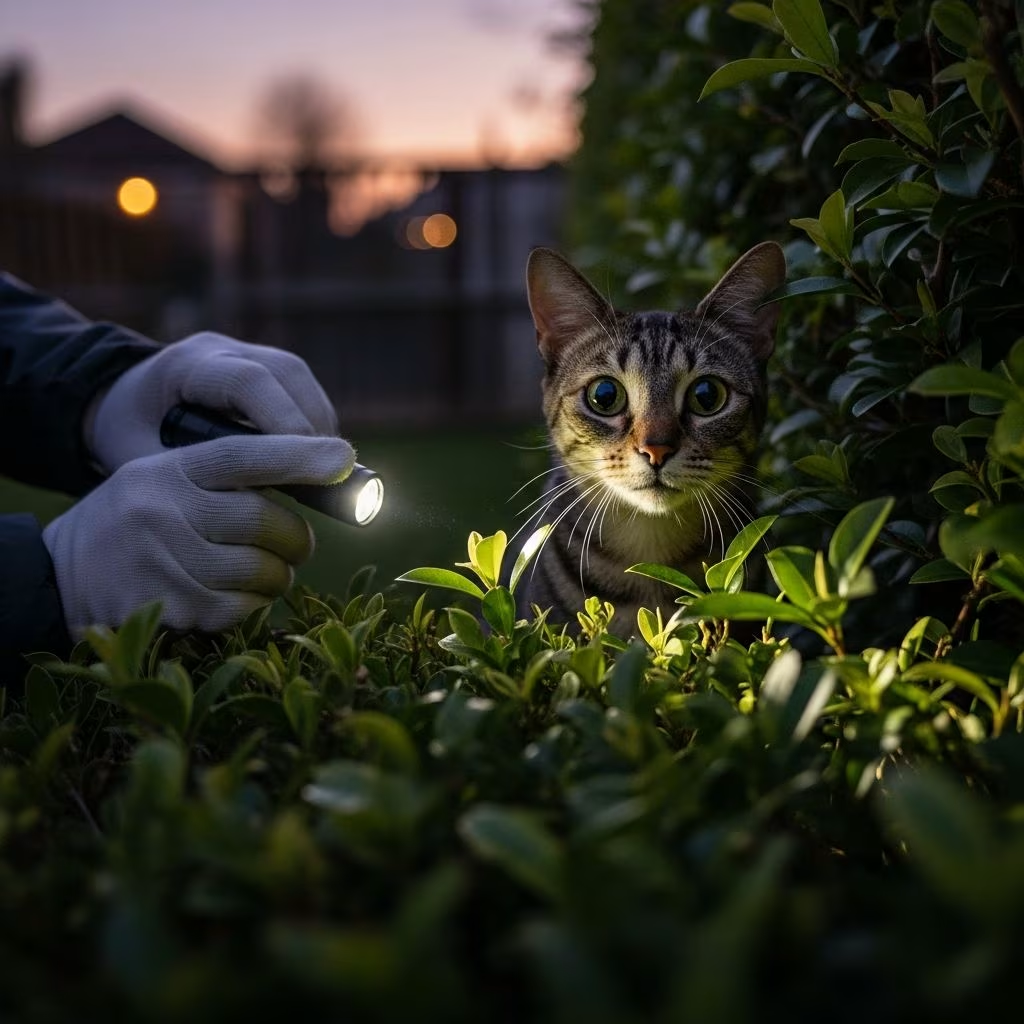
How to Find a Lost Cat: Expert Tips From a Pet Detective
Discovering that your beloved cat is missing can be one of the most stressful experiences a pet owner faces. The panic and uncertainty that accompany a lost pet can be overwhelming, but knowing the right steps to take significantly increases the chances of a successful reunion. Professional pet detectives have studied lost cat behavior extensively and discovered that the most effective recovery methods involve active, immediate action rather than passive waiting. Understanding where cats hide, how they behave when frightened, and what search strategies work best can make the difference between a permanent loss and a joyful homecoming.
Understanding Lost Cat Behavior
One of the most important discoveries in lost cat recovery is understanding how cats actually behave when they escape or become lost. Unlike dogs, who often wander significant distances from home, lost cats typically remain very close to their escape point. Research shows that cats lost outside are consistently found hiding under porches on their own property or somewhere extremely close by, usually within just three to five houses of where they disappeared. This proximity is crucial information because it shapes where and how you should search.
When cats find themselves in unfamiliar or frightening situations, their instinct is to hide rather than explore. This hiding behavior is so strong that many lost cats will remain concealed in their hiding spots for extended periods, waiting for the fear to subside before attempting to navigate back home. Understanding this fear-based response explains why passive search methods—simply posting signs and hoping someone will call—are far less effective than active physical searching. Your cat is likely very close by, but they’re probably too scared to come out unless you actively find them.
The Critical Importance of Active Physical Search
Research on lost cat recovery reveals a striking statistic: 59% of cats were found alive because their owners conducted an active physical search. This means that more than half of successfully recovered cats were located through the hard work of their people pounding the pavement and crawling under bushes. This active search approach is fundamentally different from the passive methods that many pet owners rely on exclusively.
Pet detectives emphasize that active searching should begin immediately when a cat goes missing. The longer you wait, the more time your cat has to move to a different hiding location or encounter dangers. Active searching involves physically visiting every possible hiding spot in your neighborhood, checking multiple times, and varying your search times throughout the day and night. This hands-on approach dramatically increases your chances of success compared to simply waiting for someone to bring your cat home or relying solely on social media posts.
Searching Your Own Property Thoroughly
Before expanding your search to the neighborhood, you must conduct an exhaustive search of your own home and property. Many cat owners are shocked to discover that their supposedly lost cat was hiding somewhere inside the house the entire time. Cats are masters of finding hiding spots in places you would never expect them to look, and they may change their hiding locations multiple times as they move around your home.
When searching your property, check areas where you think your cat couldn’t possibly be hiding. Look inside cupboards, under mattresses, behind dressers, in the attic, and under the basement stairs. Check inside appliances like the oven, microwave, and washing machine. Examine dark corners of closets and any enclosed spaces where a frightened cat might seek refuge. The key principle here is to check thoroughly, then check again. Because cats may change their hiding spots over time, you need to inspect the same areas multiple times. A cat hiding in one location one hour might have moved to a completely different hiding spot the next time you search.
Expanding Your Search Beyond Your Home
Once you’ve thoroughly searched inside your home, expand your search to your immediate surroundings and the neighborhood. Ask your neighbors for permission to search their property, including their garages, sheds, basements, and any other structures where a cat could accidentally get trapped. Many lost cats end up in neighbors’ garages or basements after slipping inside through open doors, only to become trapped when the door closes behind them.
When asking neighbors to search, try to expand your search radius to three to five houses in either direction from your home. While cats typically don’t wander far, they may have gone farther than expected, especially if they were chased or frightened. However, remember that statistically, the vast majority of lost cats are found very close to home, so prioritize the immediately surrounding area.
Vary your search times throughout the day and night. Cats are typically most active and more likely to respond to your calls during late evening hours and early morning when it’s quiet. During these quiet periods, your cat may feel braver about moving around or responding to familiar sounds. Search the same spots multiple times at different times of day, as your cat may have moved from their original hiding place to a location you’ve already searched.
Top Tips for Finding a Lost Cat
Pet detectives recommend implementing all of the following active approaches immediately when a cat goes missing. These methods are meant to be repeated often throughout the search process:
Physical Search and Property Inspection
Search thoroughly around your property, both inside and outside. Vary your search times, keeping in mind that cats tend to be most active late at night and early in the morning when it’s quiet. A systematic approach works best—divide your search area into zones and thoroughly check each zone multiple times before moving to the next area.
Neighborhood Canvassing
Ask neighbors for permission to search their property, and try to expand your search three to five houses in either direction. Make sure to look inside their garages or any other structures where a cat could get trapped. When you knock on doors, show people a photo of your cat so they can help identify your pet if they spot it later.
Repeated Searching and Rechecking
Repeat your search and recheck the same spots multiple times. Cats can get spooked out of their original hiding spot and find another one in a place that you’ve looked already. If your cat is used to being outside, expand your search radius gradually. This repetition is crucial because a hiding cat may only emerge when conditions are just right—perhaps only when you’re present, or only during certain quiet times of day.
Creating Eye-Catching Posters
Post large, eye-catching posters with your lost pet information around the immediate neighborhood. Use brightly colored paper such as neon yellow or orange to ensure visibility from a distance. Include a clear, recent photo of your cat, a brief description noting any distinguishing features, your phone number, and optionally, an offered reward. Place posters at intersections, on utility poles, at local businesses, and on community bulletin boards.
Social Media and Online Platforms
Post your lost pet information on social media sites like Facebook, Nextdoor, PawBoost, and PetAmberAlert. These platforms reach many people in your area quickly and can be shared extensively. Include a good-quality photo, a description of your cat including any distinctive markings, the date and location where your cat went missing, and your contact information. Online platforms can reach far more people than physical posters alone.
Humane Trapping
Set humane traps in spots where you can check them frequently. Many animal shelters will rent humane traps to the public at reasonable rates. You can also use your house or garage as a trap by leaving doors open and placing food inside, which may encourage your cat to enter if they’re nearby and hungry enough to overcome their fear.
Checking Shelters
Check all the shelters that serve your area, not just the one nearest to your home. Shelters are often very busy, and staff members may not remember every animal that comes in. Visit in person rather than just calling, and ask to see all the animals in the facility. Walk through and look at every cage yourself. Many cats are brought to shelters that aren’t the closest ones to where they were found, so you may need to check multiple facilities. Visit shelters every day during your search, as animals are constantly arriving.
Microchipping and Identification
Proactively make sure your cat has a microchip or wears a collar and ID tag, so you can be reunited easily if your cat ends up in a shelter. This preventative measure is crucial for a quick reunion. Ensure your microchip registration information is current and correct so shelters can contact you immediately if they scan a microchip matching your cat.
What NOT to Do: Common Mistakes
Professional pet detectives have identified several common mistakes that people make when searching for lost cats, and these mistakes can actually reduce your chances of a successful reunion.
The Litter Box Myth
One of the most common suggestions people receive is to put a dirty litter box outside under the premise that the smell will draw the cat back home. Pet detectives note that this strategy lacks solid evidence of effectiveness. If a cat does return home on their own, it’s more likely because they overcame the fear of being displaced rather than because they smelled a litter box. More problematically, pheromones from a litter box can backfire by attracting territorial cats, who then keep your missing cat from returning home. It’s better to focus on active search methods than to rely on this passive approach.
Premature Search Termination
Pet detectives have seen the impact that assumptions can have on someone who has lost a pet. Too often, people call off the search prematurely or don’t search at all because they believe their cat has already encountered a coyote or other wild animal. While these dangers do exist, many cats survive in the outdoors longer than people expect. Continuing to search actively gives your cat the best chance of being found and brought home.
Relying Solely on Passive Methods
Pet detectives often meet people who rely solely on passive methods, such as posting signs or asking neighbors to keep an eye out, without conducting active physical searches. While these passive methods have some value as part of a comprehensive strategy, they are far less effective than active searching. The most successful lost cat recoveries involve multiple search methods used simultaneously and repeatedly.
Creating an Effective Search Strategy
When your cat goes missing, use every possible search method immediately. This includes conducting a thorough physical search, distributing flyers, and putting out humane traps. Go over the same ground multiple times and at multiple times of day. Think of your search strategy as a comprehensive approach that uses several methods working together rather than relying on any single approach.
Your timeline matters significantly. The first hours and days after your cat goes missing are the most critical. A cat that has been missing for just a few hours is much more likely to still be in the immediate area than a cat that has been missing for a week. Therefore, begin your search immediately and maintain intensity during the first week. As days pass and the search radius expands, continue searching but expand your efforts geographically if your cat remains unfound.
Frequently Asked Questions
Q: How far from home do lost cats typically go?
A: Lost cats are consistently found hiding very close to their escape point, usually within just three to five houses of their home. They tend to hide nearby due to fear rather than wandering far like dogs do. This is why starting your search in your immediate neighborhood is so important.
Q: Should I wait for my cat to come home on their own?
A: No. Research shows that active physical searching is far more effective than waiting passively for your cat to return. While some cats do eventually come home, 59% of successfully recovered cats were found because their owners actively searched for them. Beginning an active search immediately dramatically increases your chances of reunion.
Q: When should I search for my lost cat?
A: Search both day and night, with special emphasis on late evening and early morning hours when cats are most active and when neighborhoods are quiet. Cats are more likely to respond during these quieter times. Repeat your searches throughout the entire day and night cycle.
Q: Should I leave food outside to attract my cat home?
A: While this may seem intuitive, pet detectives recommend focusing on active search methods instead. Leaving food out can attract other animals and may actually keep your cat away if they’re hiding nearby and frightened. Active searching is more effective than relying on your cat to come to food.
Q: What should I include on my lost cat poster?
A: Include a clear, recent photo of your cat, a brief description with any distinctive markings or characteristics, the date and location where your cat went missing, and your contact phone number. You may also include an offered reward. Use brightly colored paper like neon yellow or orange to ensure visibility.
Q: Why is it important to visit shelters in person rather than just calling?
A: Shelter staff are often very busy and may not remember every animal that arrives. By visiting in person and viewing animals yourself, you can ensure you don’t miss your cat due to staff oversight or miscommunication. Visit multiple shelters in your area and return daily during your search.
Q: What is a humane trap and how does it help?
A: A humane trap is a cage that gently traps an animal without harming it. Many shelters rent these to the public. When baited with your cat’s favorite food and placed where your cat was lost, it can help capture a frightened cat that may be too scared to come out for you. Check traps frequently and place them in areas where you’ve seen signs of your cat.
References
- How to Find a Lost Cat: Tips From a Pet Detective — Best Friends Animal Society. 2025. https://bestfriends.org/pet-care-resources/how-find-lost-cat-tips-pet-detective
- How to Find a Lost Dog, Cat, or Other Pet — Best Friends Animal Society. 2025. https://bestfriends.org/pet-care-resources/how-find-lost-dog-cat-or-other-pet
- What to Do if You’ve Found a Lost/Stray Dog or Cat — Best Friends Animal Society. 2025. https://bestfriends.org/pet-care-resources/what-do-if-youve-found-lost-stray-dog-or-cat
- A Better Way to Reunite Lost Pets with Their People — Best Friends Animal Society. 2025. https://bestfriends.org/stories/best-friends-magazine/better-way-reunite-lost-pets-their-people
- Missing Animal Response Network — Best Friends Animal Society. 2025. https://bestfriends.org/pet-care-resources/issues/lost-or-found-pets



