

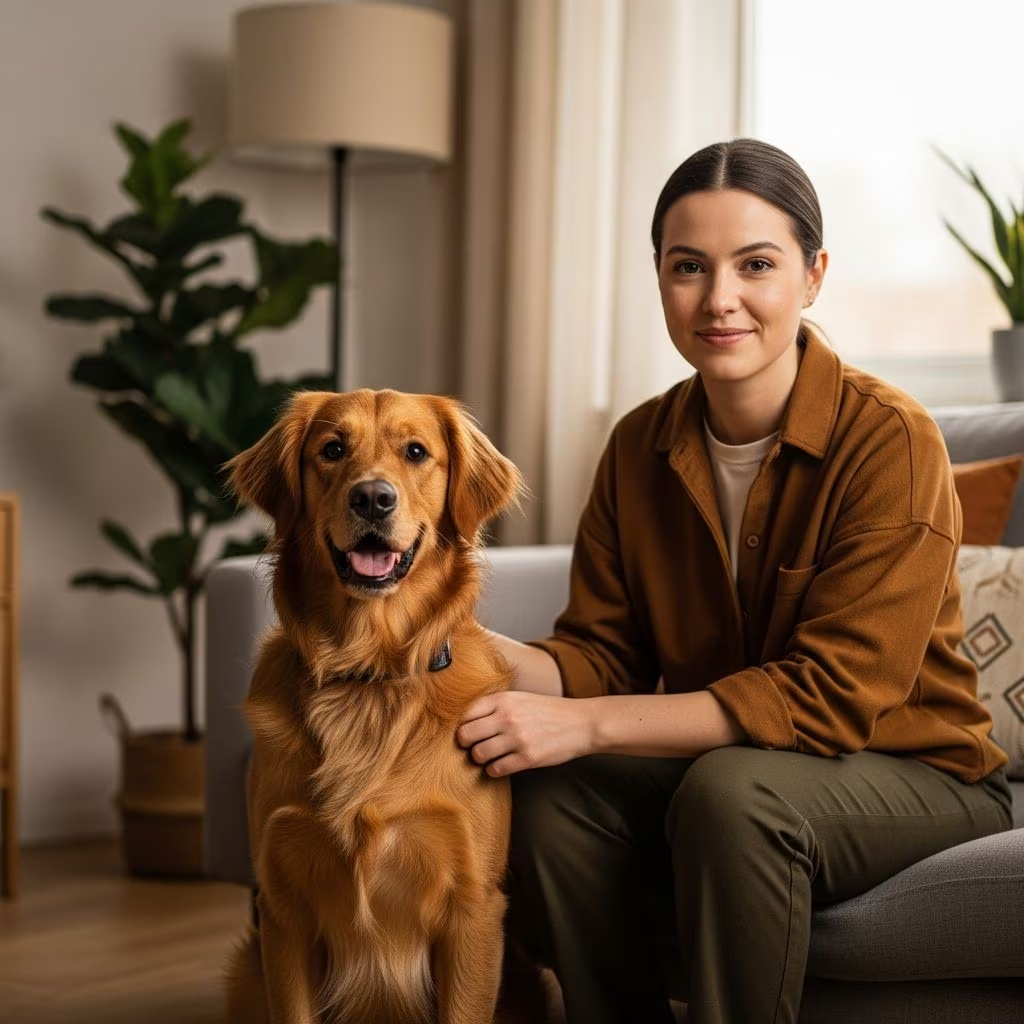
Finding a reliable dog sitter is essential for pet parents who travel, work long hours, or need occasional help with their canine companions. A good dog sitter provides not just basic care but also love, exercise, and attention tailored to your dog’s needs. This guide covers everything from where to look for sitters to how to vet them effectively, ensuring your dog stays happy and safe.
Why You Need a Dog Sitter
Dogs thrive on routine, companionship, and stimulation. Boarding kennels can be stressful for some dogs due to unfamiliar environments and other animals. A dog sitter, whether in your home or theirs, offers a more personalised experience. Benefits include reduced anxiety, maintained routines, and home comforts like familiar beds and toys. According to pet care experts, in-home sitting minimises separation stress, which can lead to behavioural issues.
Consider your dog’s personality: shy pups may prefer sitters coming to your home, while social dogs might enjoy daycares or shared homes. Always prioritise sitters experienced with your dog’s breed, age, and any health conditions.
Where to Find Dog Sitters
Start your search locally and online for the best matches. Here are top avenues:
- Friends and Family: The most trusted option. Ask relatives or close friends who know your dog. They often charge little or nothing and understand your pet’s quirks.
- Neighbours and Local Networks: Post on community Facebook groups, Nextdoor apps, or local noticeboards. Word-of-mouth recommendations build trust.
- Professional Platforms: Sites like Rover, Tailster (UK-focused), or Pawshake connect you with vetted sitters. These offer insurance, reviews, and easy booking.
- Dog Walkers and Local Businesses: Many walkers expand to overnight sitting. Check pet shops or vets for referrals.
- Pet Sitters Guild or Associations: In the UK, look for members of the Pet Sitters Guild or NarpsUK for professionally insured sitters.
Combine methods: use apps for options but verify with personal meetings. Aim for sitters with glowing reviews from similar dogs.
How to Vet a Potential Dog Sitter
Vetting ensures safety. Follow these steps:
- Check References: Ask for at least three recent references from dog owners. Call them to discuss reliability, communication, and pet’s wellbeing post-stay.
- Verify Insurance and DBS: UK sitters should have public liability insurance (min £1M) and DBS checks, especially for home access. Confirm certifications via providers.
- Meet in Person: Observe how they interact with your dog. Do they use positive reinforcement? Watch for your dog’s comfort level.
- Health and Safety Questions: Inquire about emergency protocols, vet contacts, and experience with medications or special diets.
- Home Visit (if not in-home): Inspect their space for safety—fenced gardens, no hazards, other pets’ compatibility.
A table of key vetting questions:
| Question | What to Look For |
|---|---|
| Do you have insurance and DBS? | Proof of current policies and checks. |
| How do you handle emergencies? | Clear plan with nearest vet details. |
| What’s your experience with my breed? | Specific examples, not general claims. |
| Can I see references? | Contactable, recent dog owners. |
| How often will you update me? | Daily photos/videos via app or text. |
Red flags: vague answers, no insurance, or discomfort with your dog.
Setting Up a Trial Run
Before committing to a long stay, test with a short visit. Start with a few hours or an overnight. Provide detailed instructions: feeding times, walk routes, favourite toys, and commands. Monitor via video cams if possible. Debrief post-trial: ask about behaviour insights and share your dog’s feedback (e.g., stress signals). This builds confidence and reveals compatibility issues early.
The Importance of a Pet Sitting Contract
A written agreement protects everyone. Include:
- Services: Walks, feeding, medication, playtime specifics.
- Schedule: Exact dates, arrival/departure times.
- Payment: Rate, deposit, extras (e.g., holiday surcharges).
- Emergency Protocols: Vet authorisation, consent for treatments.
- Cancellation Policy: Notice periods, refunds.
- Liability: Who’s responsible for injury/theft.
Use templates from platforms or Pet Sitters Guild. Sign both parties for legality. This clarifies expectations and prevents disputes.
Preparing Your Dog for the Sitter
Ease transitions with prep:
- Pack Essentials: Food, meds, bed, toys, waste bags, records.
- Written Guide: Daily routine, allergies, vet info, behaviour cues (e.g., anxiety signs).
- Acclimation: Multiple pre-visits for bonding.
- Tech Tools: Pet cams (e.g., Furbo), GPS collars for walks.
For anxious dogs, use calming aids like Adaptil diffusers. Inform sitter of updates like new tricks or fears.
Costs of Dog Sitting in the UK
Rates vary by location, services, and duration. Averages (2025 data):
| Type | Daily Rate (GBP) | Notes |
|---|---|---|
| Drop-in Visits | 15-25 | 30-60 mins per visit. |
| Dog Walking | 20-35 | Group walks cheaper. |
| Overnight In-Home | 40-80 | Includes sleeps, multiple walks. |
| Boarding at Sitter’s | 30-60 | Check for other dogs. |
London/South East: 20-30% higher. Factor holidays (+50%). Platforms add 15-20% fees. Negotiate for repeats.
Common Mistakes to Avoid
- Not vetting thoroughly: Skipping references leads to risks.
- Ignoring your dog’s signals: Pushy sitters ignored can cause stress.
- No contract: Verbal agreements fail in disputes.
- Overlooking updates: Poor communication heightens worry.
- Last-minute bookings: Limits quality choices.
Plan ahead, especially peak seasons.
Frequently Asked Questions (FAQs)
Q: How much should I pay a dog sitter?
A: UK averages are £15-25 for drop-ins, £40-80 overnight. Adjust for location, experience, and services.
Q: Do I need a contract for a family friend sitter?
A: Yes, even informally. It outlines expectations and protects relationships.
Q: What if my dog has special needs?
A: Disclose fully upfront. Seek sitters with relevant experience, like diabetes management.
Q: Can I leave my puppy with a sitter?
A: Yes, if vaccinated and house-trained. Provide crate, routine details.
Q: How do I handle multiple dogs?
A: Confirm sitter’s capacity and compatibility. Extra fees common.
Q: What insurance do sitters need?
A: Public liability (£1M+), often pet-specific from platforms like Rover.
Trust but verify. A great sitter becomes family, giving you peace of mind.
References
- Pet Sitters Guild UK Guidelines — Pet Sitters Guild. 2024-01-15. https://petsittersguild.co.uk/guidelines
- NarpsUK Membership Standards — National Association of Registered Pet Sitters. 2025-03-10. https://www.narpsuk.co.uk/standards
- Rover Pet Sitting Safety Report — Rover.com. 2024-06-20. https://www.rover.com/uk/safety-report
- RSPCA Pet Care Advice: Sitters — RSPCA. 2025-01-05. https://www.rspca.org.uk/adviceandwelfare/pets/general/pet-sitters
- How to Be a Great Pet Sitter — Kinship. 2024-11-12. https://www.kinship.com/pet-lifestyle/how-to-be-a-great-pet-sitter
- UK Government Pet Travel Regulations — DEFRA. 2025-02-28. https://www.gov.uk/bring-pet-to-great-britain



