

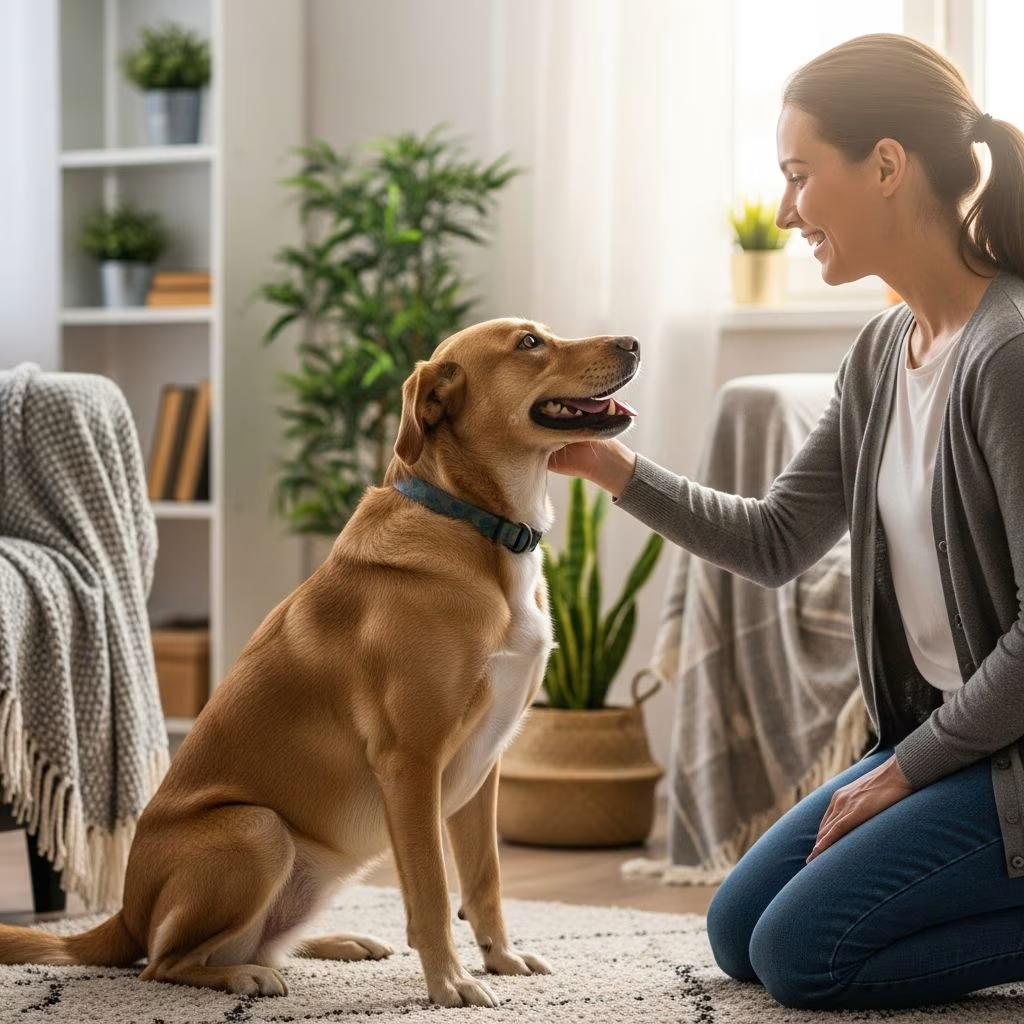
Finding a reliable dog sitter is essential for pet parents who travel or need daytime care without resorting to kennels. A good sitter provides personalized attention, exercise, and a home environment your dog loves, reducing stress and separation anxiety. This guide outlines proven steps to identify, vet, and hire the perfect professional caregiver for your pup.
Why Hire a Dog Sitter?
Boarding kennels can overwhelm dogs with noise, unfamiliar routines, and limited one-on-one time, especially those with special needs like separation anxiety. A professional in-home dog sitter offers a familiar setting, customized walks, play sessions, and monitoring for health issues. They may also handle light household tasks like mail collection or plant watering, adding value during your absence. According to pet care experts, quality sitters spend meaningful time with dogs, recognizing signs that require veterinary attention.
Dogs thrive in their own homes with trusted caregivers, maintaining routines that support emotional well-being. This approach minimizes behavioral issues and ensures your pet feels secure, much like the kinship bonds that strengthen human-dog relationships through consistent care.
Step 1: Start with Referrals
The best way to find a trustworthy dog sitter begins with personal recommendations. Ask friends, family, neighbors, or your veterinarian for referrals from sitters they’ve used successfully. Prioritize those who have cared for dogs with similar needs to yours, such as high-energy breeds or seniors requiring medication. Veterinarians often recommend professionals trained in pet first aid, providing a strong starting point for reliability.
- Reach out to dog-owning colleagues or local pet groups on social media.
- Check community forums or apps, but verify with direct contacts.
- Avoid random online listings without vetting; personal endorsements carry more weight.
Step 2: Research Credentials and Experience
Once you have candidates, verify their qualifications. Look for sitters certified in pet CPR, first aid, or bonded and insured through services like Pet Sitters International. Professional training ensures they handle emergencies competently. Review their experience with breeds like yours—active herding dogs need more exercise than lap dogs.
Examine online profiles, but cross-check with references. A sitter’s history should include long-term clients and positive feedback on attentiveness, not just basic feeding visits.
| Credential | Why It Matters | How to Verify |
|---|---|---|
| Pet First Aid Certification | Handles injuries or choking | Request certificate copy |
| Bonding & Insurance | Protects against theft/damage | Proof of policy |
| Client References | Real-world reliability | Call 3+ past clients |
| Background Check | Ensures safety | Service provider confirmation |
Step 3: Conduct a Thorough Interview
Schedule an in-depth interview to gauge professionalism. Discuss your dog’s daily routine, diet, favorite toys, and any behavioral quirks. Ask about their approach to exercise—does a 30-minute walk suffice, or do they offer fetch sessions? Clarify availability for overnight stays or multiple daily visits.
Key questions include:
- How do you handle a dog that becomes anxious?
- What’s your protocol for veterinary emergencies?
- Can you administer medications or follow special diets?
- Do you have experience with multi-pet households?
Observe their enthusiasm; a passionate sitter will ask detailed questions about your dog, showing genuine interest.
Step 4: Be Clear About Your Expectations
Every dog and owner has unique needs, so communicate precisely. Specify visit duration (e.g., 60 minutes twice daily), walk length (e.g., two 45-minute outings), grooming tasks, or bedtime routines. Outline house rules: no shoes indoors, secure gates for puppies, or fridge access for fresh meals.
Document everything in a written agreement covering rates, cancellation policies, and responsibilities. This prevents misunderstandings and sets professional boundaries.
Step 5: Meet Up for a Walk with Your Dog
A trial walk reveals compatibility. Watch how the sitter engages: Do they use positive reinforcement? Is your dog relaxed and responsive? Natural interactions, like gentle petting or playful encouragement, indicate a good match. Discuss challenges like leash reactivity or recall issues during this time.
This step builds trust—your dog’s body language (tail wags, eager following) is a key indicator. Avoid sitters who seem indifferent or overly dominant.
Step 6: Tour Your House Together
Provide a home walkthrough to familiarize the sitter with layouts, off-limits areas, and safety features. Point out emergency shutoffs (water, gas), alarm codes, cleaning supplies, and medication storage. Note scheduled visitors, service providers, or family keys to avoid surprises.
- Show the dog’s safe zones, like a quiet crate area.
- Detail trash routines, plant care, or snow removal if applicable.
- Install cameras if desired, disclosing them upfront for transparency.
Step 7: Trial Run or Meet-and-Greet
Before committing long-term, request a short trial visit. Monitor via pet camera or drop-ins to assess care quality. Does the sitter follow instructions? Is playtime energetic yet safe? This tests reliability under real conditions.
Step 8: Set Up Communication Protocols
Establish regular updates via text, email, or apps like pet-sitting platforms. Request daily photos/videos of walks, meals, and naps. Agree on frequency—morning check-ins and evening summaries work well. This keeps you reassured and allows quick adjustments.
Step 9: Understand Costs and Contracts
Rates vary by location, services, and duration: $20–50 per visit, $75–150/night. Factor in holidays or peak times. Secure a contract detailing services, payment, liability, and refunds. Tipping 15–20% is customary for excellent service, similar to human caregiving appreciation.
Step 10: Stay in Touch During the Sit
Maintain open lines with progress reports. Respond promptly to concerns, providing remote guidance if needed. Post-sit debriefs refine future arrangements.
Additional Tips for Success
Prepare a detailed info packet: vet contacts, feeding schedules, allergies, and emergency plans. Stock supplies like food, waste bags, and toys. For multi-day sits, arrange backup sitters. Regularly review performance to ensure ongoing quality.
Building a long-term relationship fosters kinship-like bonds, benefiting your dog’s emotional health. Kinship emphasizes trusted pet parenting advice, aligning with professional sitter selection.
Frequently Asked Questions (FAQs)
Q: How much should I pay a dog sitter?
A: Expect $20–$50 per visit or $75–$150 per night, depending on location and services. Negotiate packages for extended stays.
Q: Should I tip my dog sitter?
A: Yes, 15–20% of the total fee is appreciated for outstanding care, especially during holidays.
Q: What if my dog doesn’t like the sitter?
A: Trust your dog’s cues during the meet-and-greet. Interview others if there’s hesitation or stress.
Q: Do I need pet cameras?
A: They’re optional but helpful for peace of mind. Disclose usage ethically.
Q: How do I find sitters for special needs dogs?
A: Seek referrals from vets specializing in those conditions and verify relevant experience.
Related Reads
- How to Find a Qualified Trainer for Your New Dog
- Should You Send Your Pup to Dog Daycare?
- How Do I Get My Shy Dog to Socialize?
References
- More-than-human kinship against proximal loneliness — National Institutes of Health (NIH), PMC. 2022-02-15. https://pmc.ncbi.nlm.nih.gov/articles/PMC8863920/
- How to Choose a Trustworthy Dog Sitter — Kinship. Accessed 2026. https://www.kinship.com/dog-lifestyle/dog-sitter
- About Us — Kinship. Accessed 2026. https://www.kinship.com/about-us



