

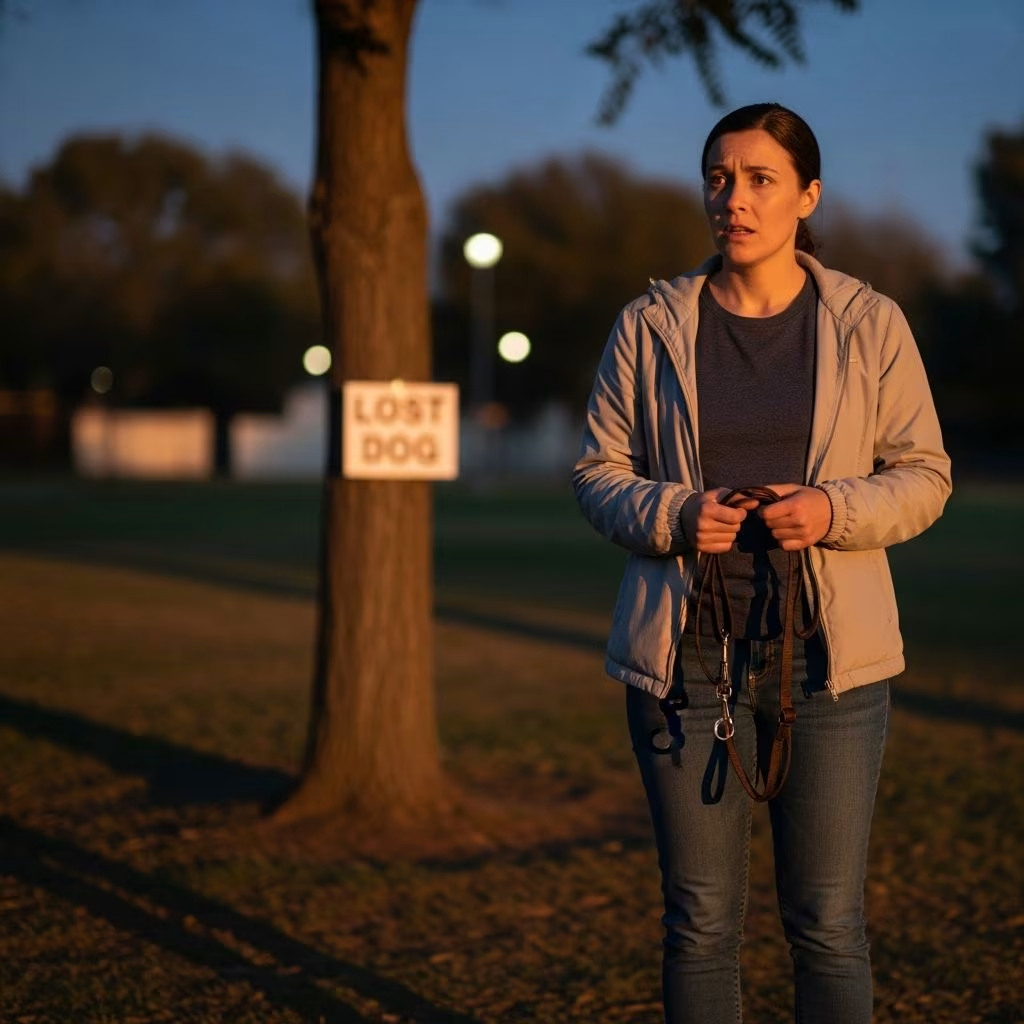
How to Find a Lost Dog: A Complete Guide
The sinking feeling of a missing dog is a heart-wrenching experience for any pet parent. According to American Humane, approximately 10 million pets go missing each year, making the likelihood of losing a pet higher than many realize. If you’re in this position, it’s crucial to act swiftly, use your local resources, and follow expert advice on how to find your beloved companion. This comprehensive guide provides you with the exact steps needed to reunite with your lost dog as quickly as possible.
How To Find a Lost Dog
If you’ve typed “I just lost my dog” into a search engine, know that you’re not alone, and there are proven steps you can take immediately to improve your chances of recovery. The key is acting fast and being methodical in your approach.
Step 1: Search Your Home
It’s often our first inclination to run outside looking for a lost pet, but many pets are actually hiding inside their home. When a dog gets spooked or frightened, they may seek refuge in familiar hiding spots rather than wandering outside. Start by checking all of your dog’s favorite hiding places throughout the house, including:
- Closets and under beds
- Behind furniture and curtains
- Enclosed spaces like bathtubs or shower stalls
- Laundry rooms or storage areas
- Shrubbery and trees in your yard
Make sure to open closed doors to see if your dog accidentally locked themselves in a room. Many missing dogs have been found hiding in their own homes, so this step is absolutely essential before expanding your search to the neighborhood.
Step 2: Organize a Neighborhood Search
Once you’ve thoroughly searched your home and yard, expand your search to the surrounding neighborhood. Walk around your area methodically and let your neighbors know your dog has gone missing. Knock on doors and show them a picture of your pet so they can help keep an eye out. Your neighbors can also check their security cameras to see if they spotted your dog or which direction it may have gone when it left your home or yard. This personal outreach often yields better results than you might expect, as many people are willing to help when given a clear description and photo.
Step 3: Call Local Organizations
If you’ve determined your pet isn’t at home or around the neighborhood, reach out to local pet organizations immediately. These include:
- Humane societies and rescue centers
- Animal adoption shelters
- Animal care and control agencies
- Local animal hospitals and veterinary clinics
These organizations typically have a large network to tap into in order to help broaden your search and access to social media to help spread the word quickly. Many of these organizations have lost-and-found boards that are constantly updating with new pets that might be in someone else’s care. File a loss report with all the animal shelters and animal control agencies within a 60-mile radius of your home to maximize your chances of locating your dog.
Step 4: Check Your Microchip Account
If your pet is microchipped, check your account immediately to make sure it’s active and all of your information is up to date. Microchipping is one of the most effective ways to reunite with your missing dog. When someone finds your dog and takes them to a shelter or veterinary clinic, the staff can scan for a microchip, which will provide direct contact information. According to veterinary experts, microchipping can significantly increase the likelihood of a reunion with your lost pet. If your dog is microchipped, call the microchip company and let them know you have a lost dog so they can alert their network.
Step 5: Spread the Word on Social Media
In today’s digital age, social media is one of your most powerful tools for finding a lost dog. Post on local community Facebook groups, Nextdoor, Instagram, and other platforms where neighbors actively share information. Include clear, recent photographs of your dog, a detailed description, your contact information, and the location where your dog went missing. Ask friends and family to share your posts to expand your reach. Create a sense of urgency while remaining accurate in your description.
Step 6: Create and Distribute Flyers
Don’t underestimate the power of printed flyers. Post them in high-traffic areas such as:
- Neighborhood parks and trails
- Local veterinary clinics and animal shelters
- Pet supply stores
- Community bulletin boards
- Nearby businesses and restaurants
Include a clear photo, your dog’s name, a detailed description, your phone number, and the area where your dog was last seen. Make sure the phone number is legible and that you have a backup contact number listed as well. Many people will call about a lost dog if it’s easy to reach you.
Step 7: Set Up a Scent Trail
Dogs have an incredibly keen sense of smell, and in many cases they can make their way back home based on scent alone. To help them along, you can set up a scent trail by placing worn clothing, their bed, or favorite toys in a central location near where they were last seen. You can also drag a scent item along the ground leading back to that spot. This technique can be particularly effective if your dog is familiar with the area and is trying to navigate home. Leave food and water at this location as well, so your dog has sustenance if they find their way back.
Step 8: Check Local Shelters Daily
It’s important to check your local shelters every day since most of them tend to have a short holding period for unclaimed dogs. If you can’t show up in person daily, ask friends and family members to help you. Visit in the morning and evening if possible, as new dogs arrive at shelters throughout the day. Even if you’ve filed a report, physically visiting increases your chances of locating your dog before they are transferred or adopted.
What To Do If You Spot Your Missing Dog
When you finally spot your missing dog, you’ll likely be flooded with relief. However, it’s essential to proceed with caution during this critical moment.
Do Not Chase Your Dog
When you come across your lost pet, approach them slowly and try to avoid scaring them. Do not run after them or chase them, which can cause them to flee or worse, run into traffic. Instead, let them approach you on their own terms. Lower yourself to the ground and turn away from them. Also avoid direct eye contact, which can seem threatening to dogs. If your dog is responding positively, you can speak in a friendly, high-pitched voice and offer treats if you have them available.
Use Caution With Frightened Dogs
A lost dog may be fearful, anxious, or defensive after being lost. Take your time and don’t force interaction. If the dog seems receptive, crouch down to their level and turn your body slightly sideways to communicate a more friendly intent. Remove any sunglasses or hats while interacting, as these can be perceived as threatening. Have a leash and treats ready at the place where your dog was last seen or where you frequently spot them, as this preparation can make the difference between successfully recovering your dog and losing them again.
Lost Dog Safety Prevention
Prevention is always better than a lost dog search. Taking proactive steps now can save you from the stress and heartache of a missing pet.
Keep Your Pet’s Tags Up to Date
Your dog’s ID tag should be visible and up to date, as it’s still one of the fastest ways for someone to return your lost dog. If your dog is found, someone can call you directly from the information on the tag. Ensure tags are legible, securely attached, and updated if your number changes. It’s recommended to include a backup number or indicate that the dog is microchipped on the tag itself.
Invest in Microchipping
Microchipping is one of the most reliable forms of pet identification. A microchip is a small device implanted under your dog’s skin that contains your contact information. When scanned at a shelter or veterinary clinic, it provides an immediate way to identify your dog and contact you. Make sure to register your dog’s microchip with the manufacturer and keep your contact information current.
Maintain Recent Photographs
Keep several recent, clear photographs of your dog on your phone and computer. In the event that your dog goes missing, you’ll have high-quality images ready to share on social media, flyers, and with local organizations. Include photos showing distinctive markings, scars, or unique features that could help someone identify your specific dog.
FAQs About How To Find a Lost Dog
Q: Do dogs know how to find their way home if lost?
A: Dogs have a very strong sense of smell that helps them navigate back to their homes. However, pet parents shouldn’t rely on this alone. While some dogs are able to find their way home using their remarkable olfactory abilities, many become disoriented, frightened, or end up too far from home to navigate back. It’s important to actively look around your neighborhood, alert organizations, spread the word on social media, and update your pet’s microchip should they get lost. Taking proactive steps significantly increases your chances of reuniting with your dog.
Q: How long should I wait before reporting my dog missing?
A: You should not wait at all. Report your dog missing immediately. Contact local shelters, animal control, and veterinary clinics right away. The first few hours are critical in a lost dog case, so act quickly. Post on social media and distribute flyers without delay. The sooner you alert your community, the higher the likelihood of someone spotting your dog.
Q: What if my dog has no microchip or ID tag?
A: If your dog doesn’t have a microchip or ID tag, focus on spreading the word through social media, flyers, and local organizations. Visit shelters daily in person. Ask your neighbors to check their security footage. Post detailed descriptions and photos in community groups. While microchipping and ID tags significantly improve recovery odds, many dogs are found and returned through community awareness and consistent effort.
Q: Should I search at night for my lost dog?
A: Yes, but with caution. Many dogs are more active during dawn, dusk, and nighttime hours when it’s cooler and quieter. However, searching alone at night can be dangerous. Consider searching with friends or family members. Bring flashlights and maintain awareness of your surroundings. During daylight hours, you may have better luck seeing your dog and having community members spot them.
Q: How far do lost dogs typically travel?
A: The distance a lost dog travels varies greatly depending on the dog’s age, breed, temperament, and the circumstances of the loss. Some dogs may stay close to home and hide nearby, while others can wander miles away. Search within a 60-mile radius and alert organizations across this range. Check shelters consistently, as frightened dogs sometimes end up quite far from their home territory.
Taking Action and Moving Forward
Losing a dog is emotionally devastating, but swift action and a systematic approach can significantly improve your chances of recovery. Start with an immediate home search, organize your neighborhood, contact local organizations within 60 miles, check your microchip account, spread the word on social media, distribute flyers, set up scent trails, and visit shelters daily. Remember that most lost dogs are found within the first few days, so time is of the essence. Stay persistent, remain hopeful, and don’t hesitate to ask for help from your community. The combination of technology, community support, and your own determined efforts can help you reunite with your beloved dog.
References
- Pet Statistics — American Humane. https://www.americanhumane.org/fact-sheet/pet-statistics/
- What to Do if You Find a Lost Dog — Chewy. https://www.chewy.com/education/dog/pet-parenting/what-to-do-if-you-find-a-lost-dog
- Microchip Benefits for Pet Recovery — Banfield Pet Hospital. https://www.banfield.com



