

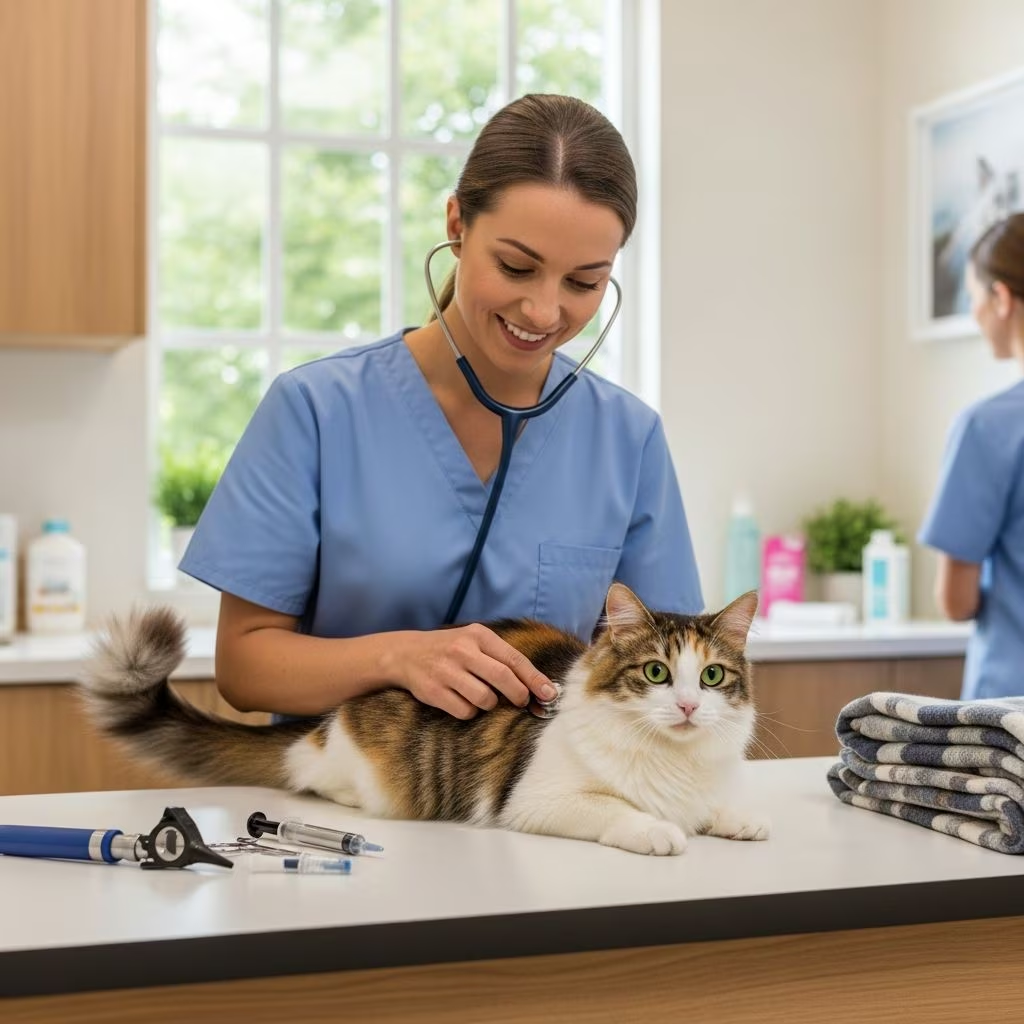
Finding the right veterinarian is one of the most important decisions you can make for your cat’s health and well-being. A trusted vet becomes a lifelong partner in preventive care, illness management, and emergency support. Cats are unique creatures with specific needs, including low-stress handling and specialized knowledge of feline conditions like urinary issues or dental disease. This guide walks you through every step, from gathering recommendations to evaluating clinics and asking the right questions, ensuring you select a cat-friendly professional who aligns with your values and your cat’s needs.
Why Choosing the Right Vet Matters for Your Cat
Your cat relies on you to provide expert medical care, and the wrong vet can lead to stress, misdiagnosis, or inadequate treatment. Cats hide illness well, making regular checkups crucial for early detection of problems like kidney disease or hyperthyroidism, which affect up to 30% of senior cats. A good vet understands feline behavior, minimizing anxiety during visits—essential since stressed cats may not cooperate or show true symptoms. Cat-friendly practices reduce fear responses, improving compliance with vaccinations, dental cleanings, and diagnostics. Ultimately, the right vet extends your cat’s lifespan and quality of life through tailored wellness plans.
Consider factors like your cat’s age, breed, and health history. Kittens need frequent deworming and vaccines, while seniors require bloodwork and mobility assessments. Breeds like Persians may need specialized respiratory care. Prioritizing a vet with feline expertise ensures proactive care, potentially saving thousands in future treatments.
Step 1: Get Recommendations from Trusted Sources
Start your search with personal networks for reliable insights. Ask fellow cat owners—friends, family, neighbors, or colleagues—for their experiences. Word-of-mouth often reveals vets who excel in gentle handling or emergencies.
- Online communities: Check local Facebook groups, Reddit subreddits like r/cats or r/[yourcity], and breed-specific forums for honest reviews.
- Professional referrals: If moving, request recommendations from your current vet; they often know trusted colleagues nationwide.
- Shelters and rescues: Local humane societies or cat adoptions partner with reputable vets and can provide vetted lists.
- Breed clubs: For purebreds like Siamese or Maine Coons, contact breeders or national clubs for specialists in breed-specific issues.
Expand to online searches: Google “cat vets near me” or “feline veterinarians [city].” Scan Yelp, Google Reviews, and Healthgrades, but weigh patterns over isolated complaints—focus on mentions of cat-friendliness, wait times, and communication.
Step 2: Research Credentials and Accreditations
Not all vets are equal; verify qualifications to ensure high standards. Check if the practice is accredited by the American Animal Hospital Association (AAHA), which evaluates over 900 standards in anesthesia, surgery, pharmacy, and more. AAHA clinics follow evidence-based guidelines for preventive care, benefiting 98% of accredited hospitals.
For cats specifically, seek American Association of Feline Practitioners (AAFP) Cat-Friendly Clinic certification. These practices feature separate waiting areas, pheromone diffusers, and staff trained in low-stress handling to reduce cortisol spikes during visits.
- Verify licenses via your state’s veterinary board (linked through the American Association of Veterinary State Boards).
- Look for feline specialists: Diplomates of the American College of Veterinary Internal Medicine (ACVIM) or certified feline practitioners (e.g., ISFM Cat Advocate).
- Avoid unaccredited clinics if possible, though note AAHA is voluntary—many excellent vets opt out due to costs.
Review the clinic’s website for bios: Years in practice, feline case volume, and continuing education in kitty medicine signal expertise.
Step 3: Evaluate Location, Hours, and Accessibility
Proximity matters—cats stress easily in carriers, and emergencies demand quick access. Aim for a clinic within 15-30 minutes’ drive.
- Hours: Seek extended options like evenings, weekends, or 24/7 ER ties. Confirm walk-in policies for urgent but non-emergency issues.
- Parking and access: Easy entry for carriers; note traffic patterns.
- Travel needs: For international trips, ensure USDA-accredited vets for health certificates.
Step 4: Visit the Clinic and Assess Cat-Friendliness
Schedule a tour without your cat to observe objectively. A cat-friendly clinic feels calm and prepared for felines.
- Waiting area: Separate cat zones (elevated perches, towels over seats, no dog smells) reduce aggression risks by 50%.
- Exam rooms: Warm blankets, scales for cats, minimal bright lights.
- Cleanliness: Spotless surfaces, organized supplies—no red flags like clutter or odors.
- Staff vibe: Friendly, knowledgeable techs who know cat pheromones or towel wraps.
Bring your cat for a trial nail trim or weigh-in to gauge reactions. Watch for gentle restraint and explanations.
Step 5: Key Questions to Ask Potential Vets
Interviews reveal philosophy alignment. Prepare these:
| Category | Questions |
|---|---|
| Services | Do you offer in-house diagnostics (X-rays, ultrasound, bloodwork)? Grooming, boarding, or dental cleanings? Emergency coverage? |
| Policies | Walk-ins? Wellness appointment wait times? Payment plans or CareCredit? |
| Philosophy | Approach to spay/neuter, vaccines, nutrition, alternative therapies, euthanasia, or cancer care? |
| Experience | Percentage of feline patients? Comfort with my cat’s breed/age/health issues? |
Top responses indicate transparency and cat-centric care.
Step 6: Consider Costs and Payment Options
Quality care varies in price—exam fees range $50-150, vaccines $20-50. Request fee schedules upfront. Inquire about wellness plans (discounted packages), sliding scales, or financing. Balance affordability with value; cheap care often skimps on diagnostics.
Red Flags: What to Avoid
- Poor communication: Rushed visits, jargon without explanation.
- High turnover: Inconsistent vets erode trust.
- No feline focus: Dog-heavy practices ignoring cat anxiety.
- Negative reviews: Patterns of rudeness, over-vaccination, or surprise bills.
- Outdated facilities: No digital records or modern equipment.
Making the Final Decision
Trust your gut after visits. The ideal vet builds rapport, listens, and treats your cat like family. Start with a wellness exam to test fit—transfer records easily if needed. Reassess annually as needs change.
Frequently Asked Questions (FAQs)
Q: How often should my cat see the vet?
A: Kittens: Every 3-4 weeks until 16 weeks, then twice yearly. Adults: Yearly. Seniors (11+): Twice yearly for early detection.
Q: What makes a clinic truly cat-friendly?
A: AAFP certification, separate areas, low-stress techs, feline-trained staff.
Q: Can I switch vets easily?
A: Yes—request records transfer; most comply promptly.
Q: Should I choose the cheapest option?
A: No—prioritize expertise over price for long-term savings.
Q: What if my cat hates the vet?
A: Opt for certified cat-friendly spots; consider home visits for severe cases.
With these steps, you’ll secure exceptional care, helping your cat thrive for 15+ happy years.
References
- Tips for Finding the Right Vet for Your Dog or Cat — Pet Palace Resort. 2023-05-15. https://www.petpalaceresort.com/tips-for-finding-the-right-vet-for-your-dog-or-cat/
- How to Find the Right Vet for Your Cat or Dog — WebMD. 2024-08-20. https://www.webmd.com/pets/finding-right-vet-pet
- Tips on How to Choose a Veterinarian — Meowbox. 2023-11-10. https://www.meowbox.com/blogs/news/how-to-choose-a-vet
- What to Consider When Choosing a Vet for Your Cat — Hill’s Pet. 2024-02-14. https://www.hillspet.com/cat-care/routine-care/choosing-the-right-vet-for-your-cat
- Finding a Vet – How to Choose a Local Vet — Cats Protection (cats.org.uk). 2024-01-05. https://www.cats.org.uk/help-and-advice/health/finding-a-vet
- Prioritizing Your Pet’s Health: How to Choose a Veterinarian — American Animal Hospital Association (AAHA). 2024-06-12. https://www.aaha.org/resources/prioritizing-your-pets-health-how-to-choose-a-veterinarian/



