How to Feed Your Pet Snake: Complete Feeding Guide
Master snake feeding: Learn proper diet, frequency, techniques, and nutrition for healthy pet snakes.
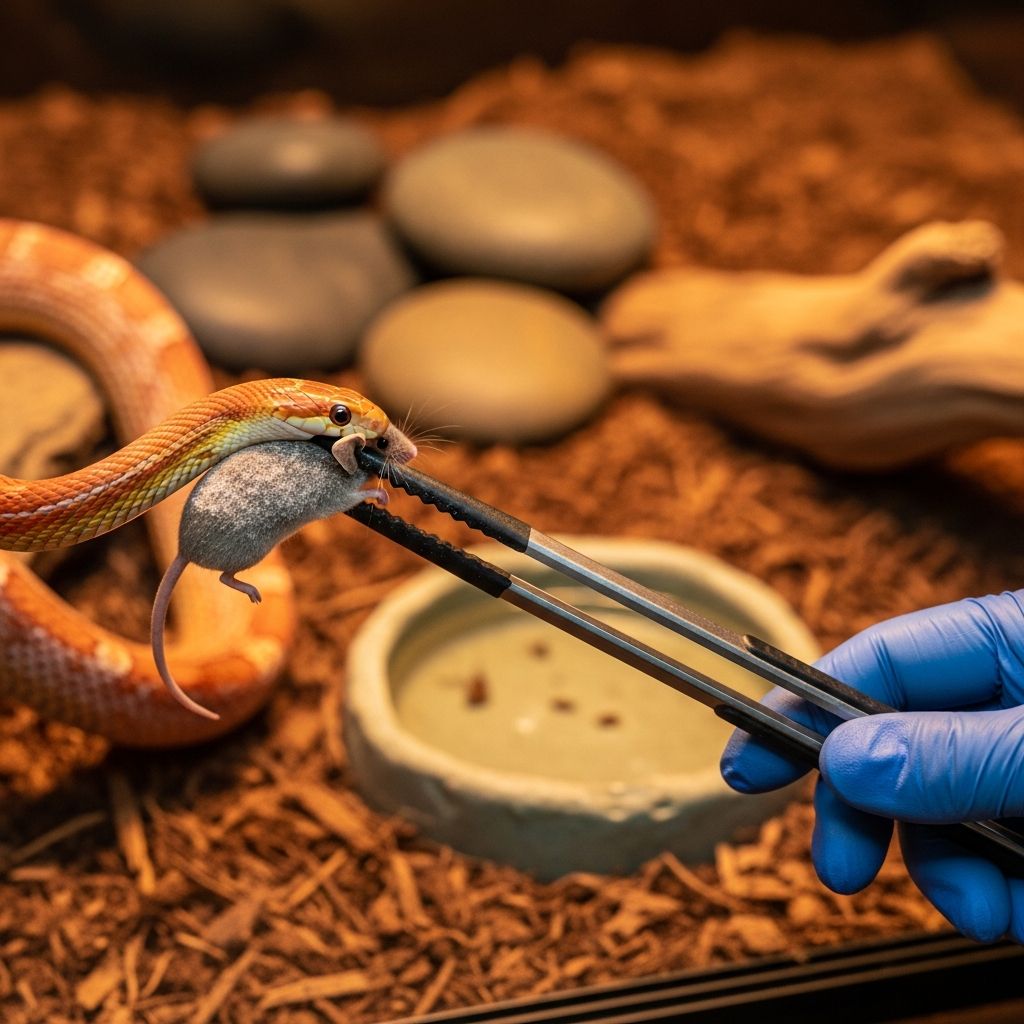
Feeding your pet snake might seem intimidating at first, but with proper knowledge and technique, it becomes a manageable and routine part of snake ownership. Unlike mammals and birds that require daily feeding, snakes have unique dietary needs that make them relatively low-maintenance pets in terms of feeding frequency. Understanding what to feed your snake, how often to feed it, and the proper techniques will help ensure your pet remains healthy and thriving throughout its life.
Understanding Your Snake’s Carnivorous Diet
All snakes are obligate carnivores, meaning they survive exclusively on meat and cannot obtain proper nutrition from plant-based foods. The specific diet of your snake depends entirely on its species. Some snake species naturally consume warm-blooded prey such as rodents, rabbits, and birds, while other species prefer cold-blooded prey including insects, amphibians, and small reptiles. Understanding your particular snake’s species and natural hunting preferences is essential for providing appropriate nutrition.
One of the greatest advantages of feeding snakes whole prey is the nutritional completeness it provides. When you feed your snake an entire prey animal, your pet receives a balanced diet that includes muscles, organs, and skeletal components, all of which contribute to optimal health. This comprehensive nutritional profile helps prevent many of the dietary-related diseases that commonly affect other reptile species. Whole prey items such as mice and rats compose a naturally balanced diet that requires minimal supplementation.
What to Feed Your Pet Snake
The most common food items for pet snakes are rodents, with mice and rats being the standard choice for the majority of captive snakes. Most pet snake owners feed either live or previously frozen rodents to their snakes, though some snake species will also accept alternative prey items including chicks, frogs, and small lizards. The key to selecting appropriate prey is ensuring that the food item’s size is proportionate to your snake’s body size.
Proper Prey Size
The size of the food item should not exceed one and one-half times the girth of the snake at its mid-body point. Feeding prey that is too large can cause digestive problems, regurgitation, or in severe cases, serious injury to your snake. Conversely, prey that is too small may not provide adequate nutrition and could require feeding your snake more frequently. When in doubt, it’s better to err on the side of caution by selecting slightly smaller prey items and feeding more frequently rather than offering oversized prey infrequently.
Frozen vs. Live Prey: Making the Best Choice
When it comes to choosing between frozen-thawed and live prey, veterinarians and experienced snake keepers overwhelmingly recommend frozen prey as the diet of choice for pet snakes. Frozen prey offers numerous advantages that make it the superior option for responsible snake ownership.
| Aspect | Frozen Prey | Live Prey |
|---|---|---|
| Safety | Safest feeding option; no risk of bite injuries | Risk of serious bite injuries to snake |
| Storage | Convenient to store in freezer | Requires live housing and feeding |
| Cost | Cost effective and budget-friendly | More expensive overall |
| Disease Risk | Smaller chance of parasite transmission | Higher risk of parasites |
| Ethics | No ethical concerns about prey suffering | Ethical concerns about prey stress |
Frozen prey is significantly safer because even a small mouse or rat can severely injure or potentially kill a snake if the snake isn’t hungry or if the prey manages to bite back before being consumed. Additionally, frozen prey can be stored conveniently in your freezer for extended periods, making meal preparation simple and cost-effective.
The only exception to feeding frozen prey is when a snake completely refuses to eat the thawed, previously frozen option. In these rare cases, live prey may be considered, but the recommendation is to provide only 1-day-old pinkies (newborn rodents) that cannot injure the snake. If your snake is sick, stressed, or in a shedding cycle, offering live prey may sometimes encourage feeding, but this should be a last resort after consulting with an exotic veterinarian.
Feeding Frequency: How Often Should You Feed Your Snake?
Unlike dogs and cats that require daily meals, snakes have dramatically different metabolic requirements. The feeding frequency for your snake depends on multiple factors including age, size, species, and activity level.
- Baby snakes can be fed every other day or approximately every two to three days
- Small adult snakes (such as corn snakes) should be fed once every seven days
- Larger, more mature snakes typically require feeding once every week to two weeks
- Very large snakes like boas and pythons may only need feeding once every 10-14 days
- Active species like adult garter snakes may need more frequent meals than sedentary species
- Female snakes approaching breeding season can be fed more frequently
Your individual snake will communicate its feeding needs through its behavior and body condition. If your snake appears to be constantly hungry or is losing weight, you may need to increase feeding frequency. Conversely, if your snake shows signs of becoming overweight, you should reduce meal frequency or prey size. Consulting with your veterinarian can provide personalized feeding recommendations based on your specific snake’s requirements.
Proper Feeding Techniques and Safety
Knowing what and how often to feed your snake is only half the battle—understanding the proper techniques ensures both your safety and your snake’s wellbeing during feeding time.
Preparation Steps
If using frozen prey, remove it from the freezer several hours before feeding time—ideally 2-4 hours—to allow it to thaw completely to room temperature. A few hours before planned feeding, take the prey out of the refrigerator so it reaches ambient temperature. Always wash your hands thoroughly to remove any odor from the snake food, as you don’t want a hungry reptile mistakenly snapping at your fingers instead of the prey.
Feeding Environment
It is strongly recommended to feed your snake in a separate enclosure rather than in their primary habitat. Feeding your snake in a dedicated plastic tub with air holes serves multiple important purposes. First, it reduces the risk of your snake developing cage aggression—the tendency to strike at you whenever you open the tank because it associates your presence with feeding time. Second, it prevents your snake from accidentally ingesting substrate material while striking at prey. Third, snakes display less aggression when removed from their familiar enclosure, making the feeding process safer and less stressful.
Safe Feeding Procedure
Once you have transferred your snake to the feeding container, use long-handled tongs to place the thawed prey inside the enclosure. Never place the prey in the box before transferring the snake, as this may cause the snake to start striking blindly at the smell of food while you’re still transferring them. It is crucial not to transfer the prey by hand, as snakes striking at prey do not aim well and may accidentally bite you. Keep your hands at a safe distance by using relatively long tools such as feeding tongs.
Wait patiently until your snake has finished eating before returning it to its primary enclosure. After feeding, handle your snake with care to avoid upsetting its full belly, which can cause regurgitation and digestive problems.
Special Feeding Considerations
If your snake is particularly stressed or reluctant to eat, it may be more appropriate to feed it within its own enclosure while keeping the risks of aggression and substrate ingestion in mind. Offering food at night, when most snakes are naturally active and hunting, can encourage feeding in reluctant snakes. If your snake refuses food for an extended period, consult with an experienced exotic veterinarian to rule out underlying health issues.
Nutritional Supplementation
As a general rule, pet snakes do not require vitamin or mineral supplementation when fed appropriate whole prey. The complete nutritional profile provided by whole rodents typically contains all necessary vitamins and minerals for optimal health. However, the quality of your snake’s prey directly impacts the nutritional quality of your snake’s diet.
It is important to ensure that your snake’s prey is healthy and well-fed, as unhealthy prey choices may harbor harmful bacteria or intestinal parasites that can be transmitted to your snake. For this reason, some snake owners, especially serious collectors, raise their own rodents for feeding to their snakes, ensuring complete control over prey nutrition and health. If you are concerned about nutritional gaps, consult your veterinarian before adding any supplements to your snake’s diet, as improper supplementation can actually cause health problems.
Water Requirements and Hydration
Fresh, clean water should be provided to your snake at all times, even though snakes don’t drink very much at any given time. Many snakes will eliminate in their water bowl as well as drink from it, so changing the water frequently is essential for maintaining hygiene and preventing bacterial growth. Wash, disinfect, and rinse the bowl every day to keep the water clean and safe.
Provide water in a large, heavy, ceramic crock or bowl that cannot be easily spilled over by your snake. A properly sized water dish serves multiple purposes beyond hydration. It helps maintain appropriate humidity levels in the tank, which is critical for keeping your snake properly hydrated and supporting healthy shedding cycles. Many snakes enjoy soaking in their water dish periodically, so ensure the dish is large enough to accommodate this natural behavior.
When Your Snake Refuses Food
It is not uncommon for pet snakes to occasionally refuse food, and this doesn’t necessarily indicate a serious problem. Several factors can cause temporary loss of appetite in snakes, including stress, shedding cycles, and seasonal fasting periods. However, if your snake consistently refuses food for an extended period, it’s important to investigate the underlying cause.
Illness can cause a snake to lose its appetite, with parasitic intestinal infestations being a prime culprit. Kidney disease, viral infections, or cancer can also make your snake stop eating. If you cannot determine the reason for your snake’s loss of interest in food, schedule an appointment with your veterinarian right away for professional evaluation and any necessary treatment.
Frequently Asked Questions About Snake Feeding
Q: Is it better to feed my snake in its enclosure or in a separate container?
A: It’s best to feed your snake in a separate container to prevent cage aggression and reduce the risk of substrate ingestion. However, if your snake is particularly stressed and reluctant to eat in a separate container, feeding in the main enclosure may be necessary as a compromise.
Q: How do I know if my snake is overweight or underweight?
A: Monitor your snake’s body condition regularly. A healthy snake should have a body girth that is relatively uniform along its length. If your snake appears to have a prominent bulge in the middle or looks too thin, adjust feeding frequency or prey size accordingly and consult your veterinarian.
Q: Can I feed my snake insects instead of rodents?
A: Some snake species naturally eat insects, amphibians, and other small prey. However, most common pet snakes are rodent-eaters. Check your specific snake species’ dietary requirements to determine appropriate food items.
Q: My snake hasn’t eaten in two weeks—should I be concerned?
A: If your snake is going through a shedding cycle or seasonal fasting period, this may be normal. However, if this is unusual for your snake or lasts longer than two weeks, consult with an exotic veterinarian to rule out health issues.
Q: Do snakes need vitamin supplements?
A: Generally, no. Whole prey provides complete nutrition. However, ensure your snake’s prey is healthy and well-fed. Always consult your veterinarian before adding any supplements to your snake’s diet.
References
- Feeding Your Pet Snake: What’s on the Menu? — Pet Assure. https://www.petassure.com/maxscorner/what-to-feed-your-pet-snake/
- What Do Snakes Eat? — PetMD. https://www.petmd.com/reptile/nutrition/what-do-pet-snakes-eat
- Snake Care Guide — Long Island Bird & Exotics Veterinary Clinic. https://www.birdexoticsvet.com/snake-care-guide
- Snake Care Guide | Corn and Rat Snake — Winter Park Veterinary. https://wpvet.com/exotic-pets-care-guides/corn-and-rat-snakes/
- Feeding Pet Snakes — VCA Animal Hospitals. https://vcahospitals.com/know-your-pet/snakes-feeding
- Feeding Your Pet Snake — Bishop Ranch Veterinary Center. https://www.webvets.com/blog/feeding-your-pet-snake-112.html
Similar Articles








Read full bio of Sneha Tete