

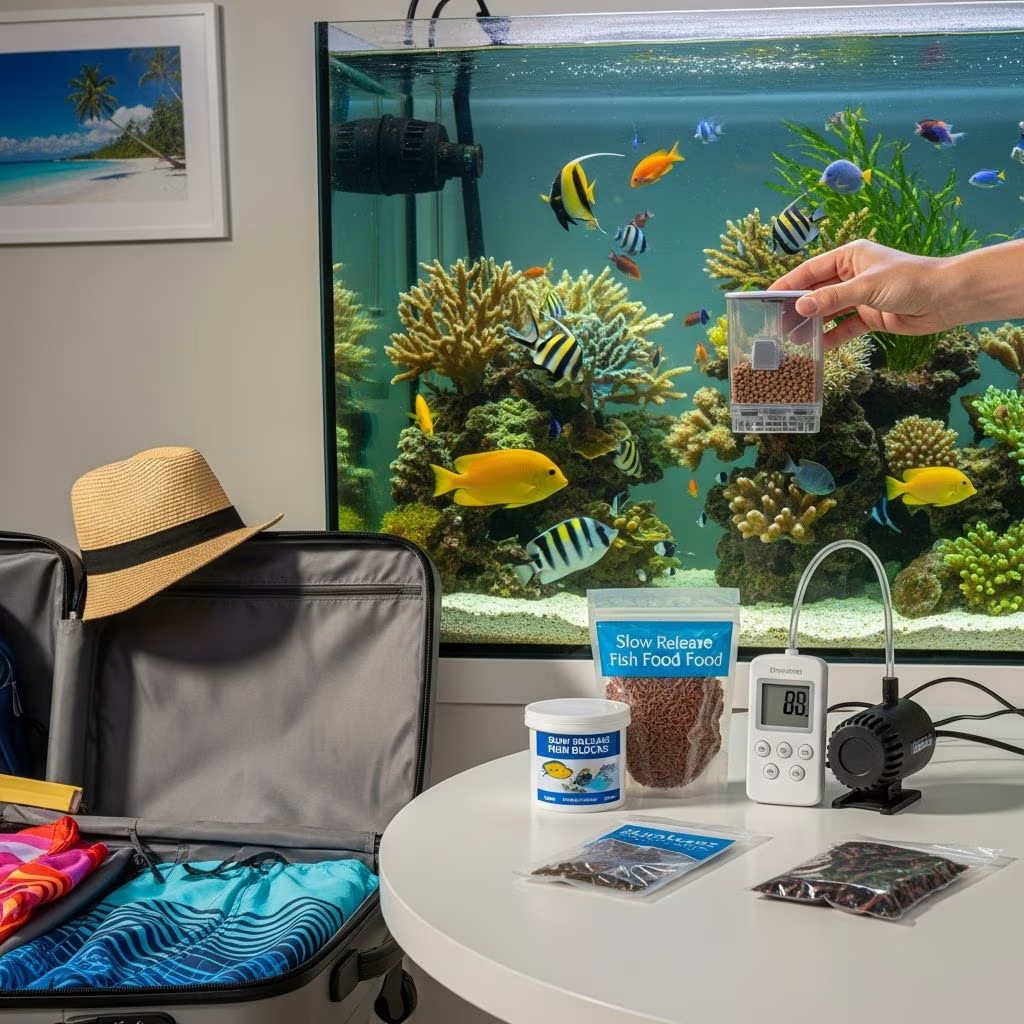
How to Feed Fish While On Vacation: 5 Options
Planning a vacation should be exciting, but if you’re a fish owner, it can bring some anxiety. Unlike dogs or cats, fish have unique care requirements that don’t stop just because you’re away. The good news is that with proper planning and preparation, you can enjoy your time away without worrying about your aquatic pets. Whether you’re taking a weekend getaway or an extended trip, there are several proven methods to keep your fish healthy and well-fed while you’re gone.
Hire an Experienced Fish Feeder or Professional Fish Sitter
One of the most reliable options for fish care during your vacation is to hire a professional pet sitter who specializes in fish aquariums. This approach offers peace of mind, especially if you’re going on trips lasting over a week, are a nervous new fish parent, or have new fish or saltwater aquarium fish.
Why Choose a Professional Fish Sitter?
A professional fish sitter brings expertise and experience to the table. They understand the nuances of aquarium care, from monitoring water parameters to recognizing signs of illness. This is particularly valuable for saltwater fish tanks, which require specialized equipment and knowledge that might be overwhelming for a novice to navigate. A seasoned fish enthusiast can troubleshoot problems quickly and make informed decisions about your tank’s health.
Cost considerations: Professional fish sitters typically charge $20 per hour and up, depending on your location and the complexity of your setup.
Alternative: Ask a Trusted Friend or Family Member
Another option is to ask a friend, neighbor, or family member to check in on your aquarium fish. This approach works best for those with simple fish tank setups, such as freshwater fish like bettas or goldfish, and for short trips. For trips longer than a week, you may need water changes, which are best performed by seasoned fish sitters or a trusted friend with detailed instructions.
Tips for Arranging Fish Care with Others
To ensure your fish receive proper care when someone else is watching them, follow these guidelines:
Keep it simple. Don’t ask your caregiver to perform complex tasks like hatching and harvesting brine shrimp or refilling CO2 canisters. Focus on basic tasks: checking the tank’s appearance, feeding your fish, and checking water levels if needed.
Clearly set expectations. Communicate specific fish care duties ahead of time. Leave detailed written instructions covering feeding amounts, frequency, and any special observations to watch for.
Portion out the food ahead of time. Put daily portions into labeled bags, clearly marking which portion should be fed on each day. For multiple aquariums, use sticky notes on each tank indicating when and how much to feed. This eliminates guesswork and prevents overfeeding, a common problem when well-meaning friends assume hungry-looking fish need extra food.
Prepare extra water. Water levels can drop over time due to evaporation. Have a bucket of water prepared with water conditioner ready next to the aquarium for your fish sitter to use if needed.
Preparing Your Fish Tank Before You Leave
Regardless of which feeding method you choose, preparing your aquarium properly before departure is crucial for your fish’s well-being during your absence.
Prepare Your Aquarium Water
One of the most important steps is to perform a partial water change and clean your filtration system before leaving. This ensures your fish have the cleanest water possible during your vacation. A well-maintained tank reduces stress on your fish and provides a better environment while you’re away.
Feed Your Fish As You Normally Do
Before leaving, feed your fish normally and avoid overfeeding. Here’s why this matters: when fish eat more, they produce more waste, which pollutes the aquarium environment when you’re not there to perform water changes. Overfeeding is one of the primary causes of fish death during owner vacations.
Invest in a Light Timer
A light timer for your aquarium lights is an excellent addition to your pre-vacation preparations. A consistent day-and-night cycle is important for fish health and happiness, just as it is for humans. A light timer maintains this crucial rhythm automatically while you’re away.
Managing Temperature and House Conditions
Beyond food, one of the most important considerations is the temperature your house will maintain while you’re away. Before leaving, pay all bills due before your departure—you don’t want your electricity shut off while you’re gone, causing filters and temperature controls to fail.
Set your air conditioner or heater to maintain appropriate temperatures for your fish species. Additionally, arrange for a backup temperature device that your caregiver can set up in case of emergency. A battery-powered heater or cooling fan can be lifesaving if the electricity goes out.
Establish a text-schedule with your fish sitter in advance so they can keep you informed that all is well, allowing you to relax without worrying about unexpected calls.
Vacation Feeding Options
There are several methods specifically designed for feeding fish while you’re away, each with advantages and disadvantages.
Vacation Food Blocks
Vacation food blocks are among the most popular options for short trips. These compressed tablets slowly dissolve over time, providing a steady source of nutrition. They work well for small communities of small fish and are affordable and easy to use. However, for larger fish or larger communities, food blocks have limitations—aggressive or greedy fish may hoard or consume the entire block within a day, leaving other tank inhabitants without food.
Automatic Fish Feeders
For longer trips or larger fish communities, an automatic fish feeder is typically the better choice. These devices dispense pellets or flakes at programmed intervals throughout the day. While they cost more than food blocks, consider that you’ll use them every time you vacation, making the cost-per-use decrease with each use.
When using an automatic feeder, test it several days before departure to confirm it’s working properly and that the amount of food it’s dispensing is appropriate. Only load it with enough food for your trip—heavy meals result in excess waste building up in your tank.
Seven-Day and Three-Day Pyramids
Pyramid-shaped fish feeders are convenient options for weekend getaways and week-long vacations. These disposable feeders are designed to slowly dissolve, releasing appropriate amounts of food over their specified timeframe. They’re particularly useful for people taking short trips who don’t want to invest in automatic equipment.
The No-Feeding Method for Short Trips
For trips lasting a week or less, one of the easiest and often most reliable methods is not feeding your fish at all. This may seem counterintuitive, but remember that in nature, fish must find their own food and aren’t guaranteed meals every day. Healthy fish are equipped to go without eating for a week or even longer, depending on the species.
This method eliminates the risk of overfeeding and the resulting water quality problems. It’s particularly useful if you don’t have access to automatic feeders, trustworthy pet sitters, or vacation blocks. The key is ensuring your fish are healthy before you leave—sick or malnourished fish may not survive extended periods without food.
Special Considerations for Medication
If your fish require medication during your vacation, have your caregiver over beforehand to personally practice administering the medicine. This hands-on training ensures they feel confident and can properly administer treatment if needed. Go through all instructions with them, including any water quality considerations related to medication.
The Critical Pre-Vacation Timeline
Timing is everything when preparing for vacation. Avoid cleaning and changing your tank water the day before you leave. If anything, it’s better to leave your fish in their existing water, even if it’s due for a change, rather than perform a water change right before departure. Always observe your fish after water changes—if something goes wrong, you won’t be there to address it.
Instead, perform your water change and cleaning 2-3 days before leaving. This gives you time to observe the fish and ensure everything is functioning properly before you depart.
Temperature Emergencies and Backup Plans
Prepare for the unexpected by having backup equipment ready. Power outages, equipment failures, or extreme weather can affect tank conditions. Arrange with your caregiver to have a battery-powered backup heater available. Establish clear communication protocols—preferably text-based schedules—so you can stay updated without being constantly disrupted by phone calls.
Testing Your Vacation Setup
Regardless of your chosen method, test your vacation setup a few days before your departure. If using an automatic feeder, run it for several days and adjust portions as needed. If using food blocks or pyramids, place them in the tank early to ensure they work as expected and your fish accept them. This trial period allows you to make adjustments and troubleshoot issues before you leave.
Comparison of Fish Vacation Care Methods
| Method | Best For | Cost | Pros | Cons |
|---|---|---|---|---|
| Professional Fish Sitter | Trips over 1 week, saltwater tanks, nervous owners | $20+/hour | Expert care, water changes possible, problem detection | Higher cost, need to find reliable person |
| Friend or Family | Short trips, simple setups | Free or small gift | Low cost, personal connection, trustworthy | May not understand fish care, risk of overfeeding |
| Automatic Feeder | All trip lengths, reliable solution | $20-100 | Consistent feeding, no human error, reusable | Initial cost, requires testing, can malfunction |
| Vacation Food Blocks | Small fish, short trips | $3-8 | Affordable, easy to use, no setup | Dissolved unevenly, not ideal for large fish |
| No Feeding | Week or less, healthy fish | Free | Simplest method, no equipment needed | Only works for short trips, requires healthy fish |
Frequently Asked Questions About Fish Vacation Care
Q: How long can fish go without food?
A: Most healthy fish can survive 1-2 weeks without food. The exact timeframe depends on the species, age, and overall health of your fish. Younger, healthier fish typically tolerate fasting better than older or stressed fish.
Q: What’s the most common mistake people make with fish while on vacation?
A: Overfeeding is the most common problem. When caretakers see fish at the surface, they assume the fish are hungry and feed too much. This excess food decays, pollutes the water, and can kill your fish while you’re away.
Q: Should I do a full water change before leaving?
A: No. Perform a partial water change and cleaning 2-3 days before departure, not the day before. This allows you to observe your fish and ensure everything is working properly after the water change.
Q: Can I leave my fish unattended for a weekend?
A: Yes. Most fish can easily survive a weekend without feeding. Just ensure your tank is clean, your filter is working, and your temperature is stable. No feeding or sitter is necessary for 2-3 days.
Q: What should I do if there’s a power outage while I’m away?
A: Have your caretaker set up a battery-powered backup heater or cooling device. Ensure your backup plan is established before you leave. Temperature fluctuations can stress or kill your fish quickly.
Q: How do I prevent my fish sitter from overfeeding?
A: Pre-portion all food into labeled bags or pill containers, with one portion per day clearly marked. Leave specific written instructions stating that if they miss a day, they should not try to make up for it with extra food the next day.
Final Thoughts on Vacation Fish Care
With a little planning and preparation, taking a vacation doesn’t need to be a source of stress for fish parents. By keeping your tank maintained, coming up with a solid feeding plan, and either hiring someone to check on your aquarium or implementing an automated system, you’ll go a long way toward ensuring you return home to healthy fish.
The key to successful vacation fish care is preparation. Test your systems in advance, communicate clearly with any caretakers, and monitor your setup before you leave. Each fish species has different requirements, so consider your specific fish’s needs when choosing your vacation care method.
Remember that fish are resilient creatures, and a week without food won’t harm a healthy adult fish. However, poor water quality from overfeeding or equipment failure can be deadly. Focus on maintaining stable conditions—clean water, proper temperature, and consistent lighting—and your fish will thrive while you enjoy your well-deserved vacation.
References
- How to Care for Aquarium Fish While on Vacation — Aquarium Coop. https://www.aquariumcoop.com/blogs/aquarium/how-to-care-for-aquarium-fish-while-on-vacation
- Caring for Your Fish When You’re Away on Vacation — PetMD. https://www.petmd.com/fish/care/evr_fish_vacation_sitter
- Going On Vacation — Aquariums West. https://aquariumswest.com/blogs/helpful-articles/going-on-vacation



