

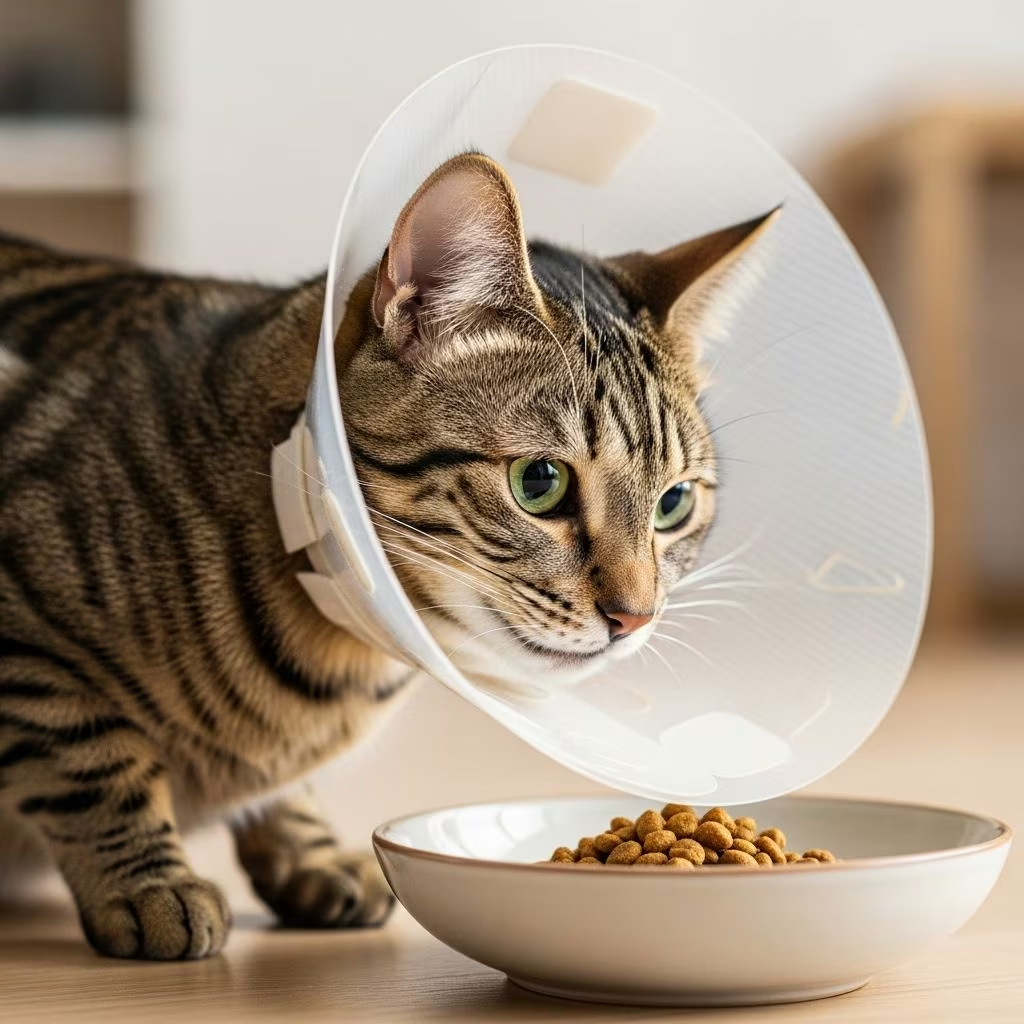
Feeding a cat wearing an **Elizabethan collar** (E-collar or cone) can be challenging, as the rigid plastic structure often prevents them from lowering their head to reach food or water bowls normally. This is common post-surgery to protect wounds or stitches from licking or scratching. With the right adjustments, you can ensure your cat maintains proper nutrition and hydration for a speedy recovery.
Why Cats Struggle to Eat with a Cone
The traditional plastic **cone** restricts a cat’s ability to bend their neck fully, bumping into bowls and causing frustration. Cats may refuse food due to discomfort, pain from surgery, or irritation from the cone touching their whiskers. Monitoring intake is crucial, as inadequate eating can delay healing. According to veterinary guidelines, a properly fitted E-collar should allow normal eating and drinking, but many cats need adaptations.
7 Vet-Approved Tips for Feeding a Cat with a Cone
Here are proven strategies to make mealtimes easier. Always consult your vet before making changes, especially regarding cone removal or type switches.
1. Elevate the Food and Water Dishes
Raising bowls by **2-4 inches** (depending on cat size) helps the cone clear the rim. Use elevated pet bowls, stack stable boxes, or place dishes on a low shelf. This allows cats to eat without the cone obstructing access. Avoid over-elevating to prevent spills or neck strain. Wide, shallow dishes work best with this method.
- Benefits: Reduces cone-bowl collisions; promotes better posture.
- Tip: Test heights gradually; start low and adjust.
2. Hand-Feeding Your Cat
If bowls remain problematic, **hand-feed** kibble, wet food, or treats. Hold food near their mouth or use a spoon for wet food. This bypasses positioning issues and builds positive associations. It’s ideal for finicky or larger-coned cats.
- Pros: Direct control over portions; comforting during recovery.
- Cons: Time-intensive; ensure hygiene by washing hands.
Combine with treats to encourage eating if appetite is low post-surgery.
3. Switch to Soft or Flexible Cones
**Soft cones** made of foam or fabric are more pliable, allowing better head movement for eating. They collapse slightly against bowls unlike rigid plastic. Vet approval is essential, as they may be less effective for some wounds. Clean frequently to avoid food buildup.
- Examples: Fabric collars like EZ Soft Pet Collar or foam-based options.
- Caveat: May require pairing with a regular collar for security.
4. Remove the Cone During Supervised Mealtimes
As a last resort, remove the cone for 10-15 minutes during meals under **constant supervision** to prevent self-injury. Reapply immediately after. This ensures intake but risks licking wounds, so only if other tips fail and vet approves.
Steps for safe removal:
- Prepare food in advance.
- Supervise closely; distract with toys if needed.
- Reattach cone promptly post-meal.
5. Use Adjustable or Collapsible Cones
**Adjustable cones** like the All Four Paws E-collar fold back during eating, then snap forward. They’re pricier but convenient, eliminating removal hassles. Fit snugly with 1-2 fingers under the neck edge.
- Fit check: Cone edge past nose tip; prevents pawing off.
- Pro: Reusable and versatile for multiple pets.
6. Opt for Shallow, Wide Feeding Dishes
Deep bowls exacerbate cone issues; switch to **shallow, wide plates** mimicking a saucer. This minimizes whisker fatigue and cone interference, encouraging voluntary eating.
| Bowl Type | Best For Cone Cats | Why It Works |
|---|---|---|
| Deep Ceramic | No | Cone bumps bottom; hard to reach. |
| Shallow Stainless | Yes | Wide access; easy clean. |
| Elevated Wide | Best | Combines height and openness. |
7. Monitor and Encourage Hydration
Cats may drink less with cones; add water to wet food or use pet fountains. Track daily intake—aim for normal amounts. If refusal persists beyond 24 hours, contact your vet for appetite stimulants.
Helping Your Cat Adjust to the Cone
Introduce the cone gradually with positive reinforcement. Steps include:
- Desensitization: Let cat sniff cone; reward with treats.
- Short wear: 10 seconds, building to minutes with food lures.
- Full activity: Encourage movement with toys; praise successes.
Comfort is key—most cats adapt in 1-2 days. Provide quiet recovery space.
Frequently Asked Questions (FAQs)
Can cats eat normally with a cone on?
Many can with adjustments like elevated bowls, but monitor closely. Properly fitted cones shouldn’t fully prevent eating.
How long should a cat wear a cone?
Typically 7-14 days post-surgery, or as vet directs. Never remove without guidance.
What if my cat won’t eat with the cone?
Try hand-feeding or shallow bowls first. If no improvement in 24 hours, see your vet to rule out complications.
Are soft cones as effective?
Often yes for mild cases, but rigid for hotspots near face. Consult vet.
How do I clean the cone?
Wipe with pet-safe disinfectant daily; machine-wash soft ones if labeled.
Conclusion: Prioritize Nutrition for Recovery
These tips ensure your coned cat gets essential calories and fluids, preventing weight loss or dehydration. Patience and observation yield the best results—your cat’s full mobility returns soon.
References
- How To Feed a Cat with a Cone: 7 Vet-Approved Tips — Hepper. 2023. https://www.hepper.com/how-to-feed-a-cat-with-a-cone/
- The Cat Cone: A Complete Owner’s Guide — TheCatSite. 2023. https://thecatsite.com/c/the-cat-cone-a-complete-owners-guide/
- Is Your Cat Wearing a Cone? E-Collar Tips for Cats — ELVH. 2023. https://elvh.ca/cat-cones/
- Cat Cone Eating and Drinking: Tips to Help Your Feline Adapt — UAH Pet. 2023. https://www.uahpet.com/blogs/post/cat-cone-eating-and-drinking-tips-to-help-your-feline-adapt
- Elizabethan Collars in Cats — VCA Animal Hospitals. 2024-01-14. https://vcahospitals.com/know-your-pet/elizabethan-collars-in-cats



