

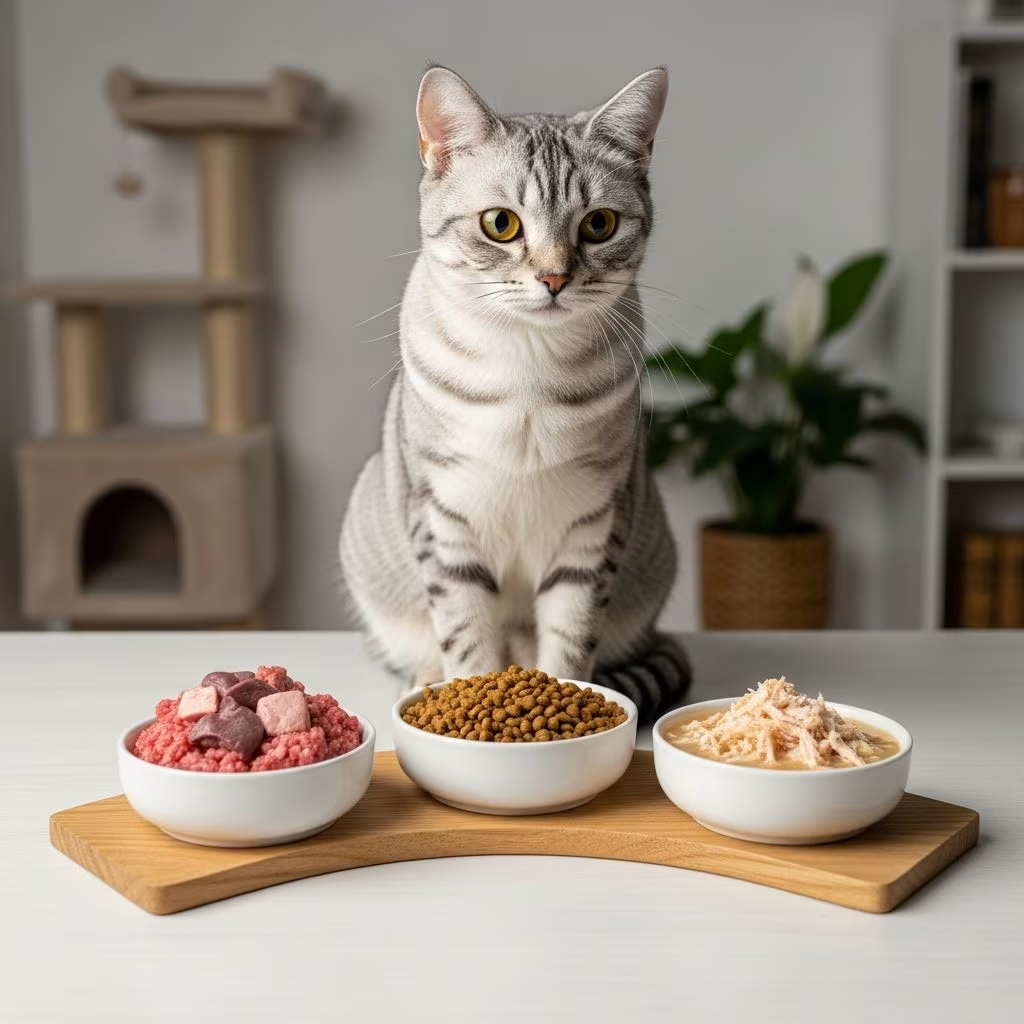
Feeding your cat the same food day after day might seem like the simplest approach to pet care, but it can create significant challenges down the road. A rotational diet for cats—varying proteins and food types throughout their meals—offers numerous health and practical benefits that can improve your feline companion’s long-term wellbeing. Whether you’re looking to prevent future feeding complications or enhance your cat’s nutritional intake, understanding how to implement a rotational diet properly is essential.
Why Feed Your Cat a Rotational Diet?
Many cat owners don’t realize that establishing a rotational feeding pattern now can prevent serious problems later. There are two primary reasons why veterinarians recommend this approach for most cats.
Easier Food Changes in the Future
Cats who eat only one type of food develop strong preferences and become resistant to dietary changes. This can create dangerous situations if your cat needs to switch foods due to health concerns, allergies, or product discontinuation. If your cat refuses to eat a new diet, forcing them to go hungry is not a viable solution—it can be life-threatening.
One of the most serious risks of prolonged food refusal in cats is hepatic lipidosis, commonly called “fatty liver.” This potentially fatal condition can develop in just a few days when cats don’t eat. The condition requires immediate veterinary treatment and can have long-term health consequences. By establishing a rotational diet early, your cat becomes accustomed to variety and is much more likely to accept a necessary food change without resistance.
Reduced Digestive Upset During Transitions
Cats with rotational feeding experience fewer digestive problems when introduced to new foods. When a cat’s digestive system is accustomed to only one food type, sudden changes can cause vomiting or diarrhea. This becomes particularly problematic if you run out of your cat’s preferred food and must purchase a different brand or formula in an emergency.
With rotational feeding already established, your cat’s digestive system has become adapted to processing various proteins, textures, and food compositions. This diversity in their regular diet creates a more resilient digestive system that handles transitions more gracefully.
How To Start a Cat Rotational Diet
Beginning a rotational diet requires careful planning and gradual transitions to avoid the very digestive upset issues you’re trying to prevent. The key is moving slowly and allowing your cat’s system to adapt.
The Transition Process
To avoid side effects from sudden diet changes, transition carefully between foods over several days. The standard transition timeline recommended by veterinary nutritionists is 3 to 4 days, though some cats may need longer depending on their sensitivity.
Follow this transition schedule:
- Day 1-2: Mix approximately 25% new food with 75% old food
- Day 2-3: Mix approximately 50% new food with 50% old food
- Day 3-4: Mix approximately 75% new food with 25% old food
- Day 4+: Transition to 100% new food
Watch your cat carefully during this period for any signs of digestive upset. If your cat shows symptoms like vomiting or loose stools, slow down the transition process and extend it over 5-7 days instead. This gradual approach gives your cat’s digestive enzymes and gut bacteria time to adjust to the new food composition.
Finding Your Cat’s Rotation Schedule
There is no perfect frequency for rotating between foods. Every cat has different tolerances and preferences. Some cats handle a new flavor each day with no problems, while others prefer a change every few months. The best approach is to observe your individual cat’s response and adjust accordingly.
Consider these rotation frequency options:
- Daily rotation: Best for cats with robust digestive systems and those who enjoy variety
- Weekly rotation: A balanced approach that provides variety while allowing the digestive system to settle with each food
- Monthly rotation: Ideal for cats with sensitive stomachs or those who are picky eaters
- As-needed basis: Rotate whenever you need to stock up on food or when your preferred option becomes unavailable
Pay attention to your cat’s weight, coat condition, energy levels, and digestive health as indicators that your rotation schedule is working well. Adjust the frequency based on your cat’s individual needs.
Mixing Wet and Dry Foods
It is good to rotate both dry and canned products and to feed a mix of both. Each food type offers different benefits and can contribute to overall dietary variety.
Canned Food Rotation: Rotating canned foods is often easier because most brands offer variety packs with four or more different flavors in a single case. This allows you to try new flavors without committing to full-size bags or containers.
Dry Food Rotation: Rotating dry kibble requires a bit more planning. Typically, rotation means feeding one bag of a specific flavor until it’s finished, then transitioning to a different flavor using the 3-4 day transition protocol described above.
Many cat owners find success combining canned and dry foods, offering canned food at one meal and dry kibble at another. This approach provides variety while maintaining a manageable feeding routine.
Health Benefits of Rotational Feeding
Beyond the practical advantages, rotational feeding provides substantial health benefits that contribute to your cat’s overall wellness.
Broader Spectrum of Nutrients
Different proteins and food formulations contain varying levels of essential vitamins, minerals, amino acids, and fatty acids. By rotating foods, your cat receives a more comprehensive nutritional profile over time. This diversity ensures that no critical nutrient is overlooked, even if one particular food is slightly lower in a specific vitamin or mineral.
Promotion of Healthy Gut Microbiome
Dietary variety fosters diverse and beneficial gut bacteria, which promotes a healthy gut microbiome and supports good digestion. A diverse microbiome offers multiple advantages for your cat:
- Improved digestion: Diverse bacteria enhance the breakdown and absorption of nutrients, reducing bloating and gastrointestinal problems
- Stronger immune system: Gut bacteria play a critical role in immune function and can help defend against pathogens
- Better nutrient absorption: Balanced gut flora supports more efficient utilization of the nutrients in your cat’s food
- Enhanced overall health: A healthy microbiome contributes to shinier coats, healthier skin, and increased energy levels
Reduced Risk of Food Sensitivities
Food sensitivities develop when a cat’s immune system reacts adversely to specific ingredients over extended periods. Unlike food allergies, which cause immediate reactions, sensitivities develop gradually from prolonged exposure to the same proteins and ingredients. Common symptoms include gastrointestinal issues and skin problems like itching and redness.
Rotational feeding helps prevent these sensitivities by:
- Promoting immune tolerance: Regular diet variation helps the immune system adapt to different proteins and food components
- Preventing overexposure: By not feeding the same ingredient consistently, you reduce the likelihood of developing a reaction to it
- Supporting balanced immune function: Varied nutrient intake supports a robust immune system less prone to developing sensitivities
Prevention of Diet Fixation
Rotational feeding helps minimize diet fixation, a behavioral pattern where cats become so accustomed to one food that they refuse alternatives. This is particularly valuable if your cat ever needs a prescription diet, specialty formula, or if you want flexibility in your feeding options.
Important Considerations and Precautions
While rotational feeding offers numerous benefits, it’s important to implement it correctly to avoid potential problems.
Potential for Digestive Upset
Without proper precautions, rotational feeding can cause stomach upset. Sudden changes in food, protein type, and fat content can disrupt the balance of gut bacteria and enzymes, leading to digestive upset. New ingredients may potentially cause gastrointestinal symptoms including vomiting, diarrhea, and loose stools.
This is why the gradual transition approach is so critical. Never switch your cat’s food abruptly, even when rotating between formulas you’ve successfully fed before.
Monitoring Your Cat
During any food transition, watch for signs of digestive upset:
- Vomiting or retching
- Diarrhea or loose stools
- Constipation
- Decreased appetite
- Excessive gas or bloating
- Changes in behavior or lethargy
If any of these symptoms occur, slow down your transition schedule and extend it over 5-7 days or longer. If symptoms persist for more than a few days after the transition is complete, consult your veterinarian.
Practical Tips for Success
Implementing a rotational diet successfully requires planning and organization. Here are practical strategies to make the process manageable:
- Keep records: Note which foods your cat eats well and which ones they prefer or avoid. This helps you plan future rotations strategically.
- Stock variety: Purchase variety packs of canned food and keep several different dry food options on hand.
- Plan transitions: Know when you’ll run out of your current food so you can start the transition process on schedule rather than abruptly.
- Observe preferences: Learn which specific proteins your cat prefers—this information becomes invaluable if your cat ever needs a specialized diet due to illness.
- Mix flavors strategically: Consider protein blends that combine two flavors, allowing your cat to experience variety in a single serving.
Frequently Asked Questions
Q: How often should I rotate my cat’s food?
A: There is no perfect frequency. Some cats tolerate a new flavor daily, while others prefer changes every few months. Observe your individual cat’s response to determine the best rotation schedule for their digestive system and preferences.
Q: Can rotational feeding cause digestive problems?
A: Rotational feeding can cause temporary digestive upset if transitions are too rapid. Always use the 3-4 day transition method, mixing increasing amounts of new food while decreasing old food. Extend the timeline if your cat shows any digestive symptoms.
Q: Is it safe to rotate between wet and dry foods?
A: Yes, mixing canned and dry foods is actually recommended. It provides nutritional variety and different texture experiences. You can feed canned at one meal and dry kibble at another, or rotate between them over time.
Q: What should I do if my cat refuses the new food?
A: Ensure you’re using the gradual transition method. If your cat still refuses the new food, try a different flavor or brand. If refusal persists, consult your veterinarian to rule out any underlying health issues.
Q: Can rotational feeding help with picky eating?
A: Yes, rotational feeding can help prevent and reduce picky eating by introducing your cat to exciting new flavors and keeping them engaged with their meals.
Q: Should I rotate between different brands or just different flavors of the same brand?
A: You can do either. Many cats handle rotating between different flavors of the same brand well. If you want to rotate between brands, ensure each brand is nutritionally complete and follow the transition protocol carefully.
Q: What if my cat has a sensitive stomach?
A: Cats with sensitive stomachs may benefit from slower transitions (5-7 days instead of 3-4 days) and less frequent rotations (monthly rather than weekly). Work with your veterinarian to develop an appropriate rotation schedule.
Q: Is hepatic lipidosis really a risk if my cat doesn’t eat?
A: Yes, hepatic lipidosis is a serious, potentially fatal condition that can develop in cats within just a few days of not eating. This is why establishing a rotational diet early—so your cat will accept alternative foods—is so important.
Conclusion
Implementing a rotational diet for your cat is one of the most valuable investments you can make in their long-term health and behavioral wellbeing. By providing dietary variety now, you’re preventing future feeding challenges while simultaneously supporting better nutrition, digestive health, and immune function. The key to success is patience during transitions, careful observation of your individual cat’s response, and flexibility in adjusting the rotation schedule to meet their unique needs. Start implementing rotational feeding today, and you’ll enjoy the peace of mind knowing your cat is prepared to handle dietary changes whenever necessary.
References
- Feeding a Cat a Rotational Diet — Chewy. 2025. https://www.chewy.com/education/cat/food-and-nutrition/how-to-feed-a-cat-a-rotational-diet
- Benefits of Rotational Feeding — Steve’s Real Food. 2024-07-29. https://stevesrealfood.com/2024/07/29/benefits-of-rotational-feeding/
- Rotational Feeding for Cats Made Simple — Animal Wellness Magazine. 2025. https://animalwellnessmagazine.com/rotational-feeding-for-cats-made-simple-keep-your-cat-thriving-with-this-simple-hack/
- How & Why to Rotate Proteins in Your Cat’s Diet — Stella & Chewy’s. 2025. https://www.stellaandchewys.com/blogs/articles/protein-rotation
- The Benefits of Rotational Feeding for Your Cat — Feline Natural. 2025. https://us.felinenatural.com/blogs/stories-and-pet-tips/the-benefits-of-rotational-feeding-for-your-cat



