

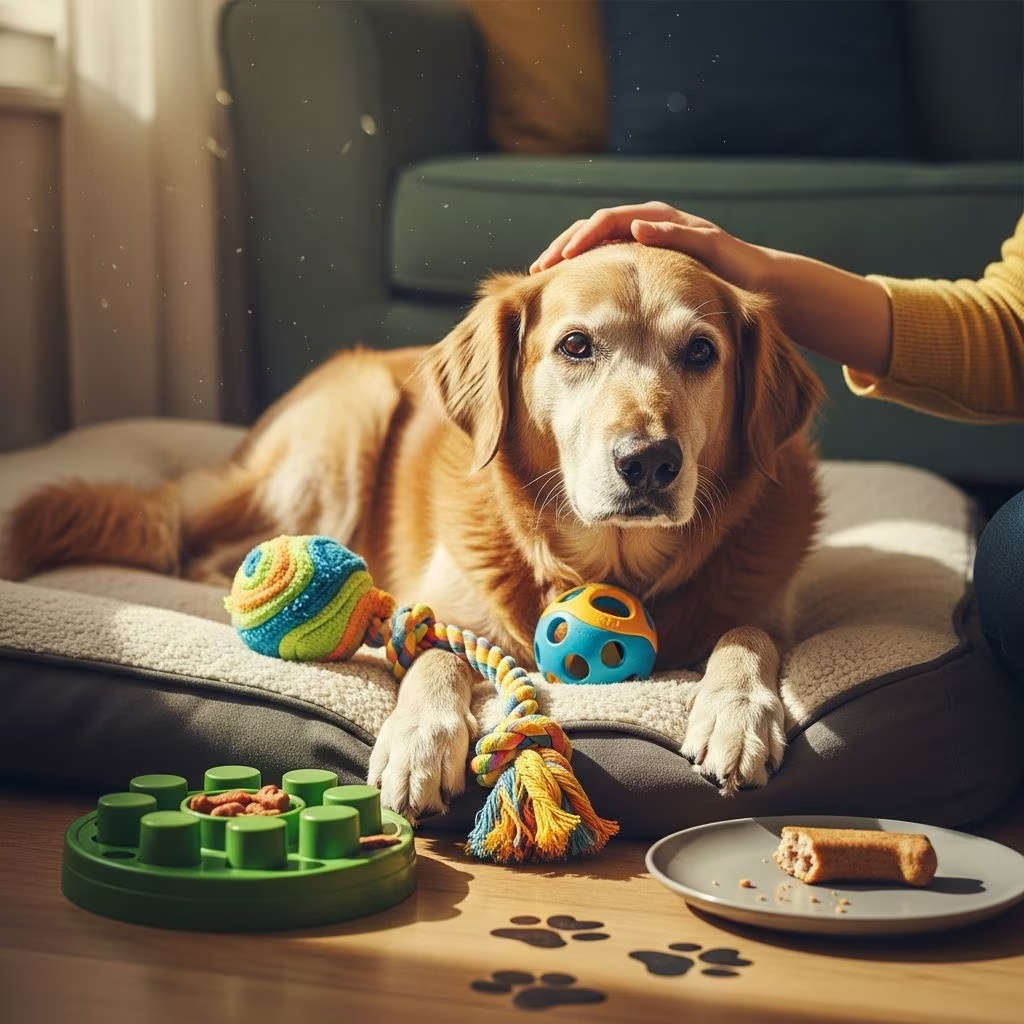
As dogs age, their energy levels may decrease, and physical limitations like arthritis can limit traditional play. However, senior dogs still crave mental stimulation and engagement to prevent boredom, maintain cognitive health, and improve their quality of life. Engaging their minds through puzzles, training, and gentle games keeps neurons firing and strengthens your bond.
Help! My Senior Dog Is Bored!
Many owners notice their older dogs becoming restless or lethargic as routines shrink. Long walks and dog park visits may need to be shortened due to health issues, leaving seniors understimulated. “A lot of old dogs get what I call the ‘shrinking world’ syndrome,” explains certified veterinary behaviorist Dr. Lore Haug. Owners often reduce activities unintentionally, leading to cognitive decline.
Physical exercise isn’t the only solution—mental challenges are equally vital. Dogs like the 12-year-old Bulgarian Shepherd Gus in one case study loved walks but grew restless with shorter outings due to arthritis. Simple adaptations like food puzzles and indoor games revived his interest and helped work off energy without strain. Regular mental workouts slow aging, control weight, strengthen muscles and joints, and foster joy.
Bring out the food puzzles
One of the simplest ways to entertain your senior dog is through **food puzzles**, turning mealtime into a brain-teasing adventure. Instead of dumping kibble in a bowl, use toys that require problem-solving to access food. Dogs instinctively enjoy working for meals, mimicking foraging behaviors.
- Kong toys: Stuff with wet food, peanut butter, or kibble and freeze for longer-lasting challenges. This keeps them occupied for 20-30 minutes.
- Snuffle mats: Hide kibble in fleece strips for nose work that engages their powerful sense of smell, which remains sharp in old age.
- Puzzle toys: Options like wooden or plastic dispensers release treats when nudged or pawed. Start easy to ensure success and build confidence.
- DIY ice treats: Freeze treats in ice cubes or wrap in safe veggies like lettuce for dogs that handle them well. Supervise to prevent choking.
Match difficulty to your dog’s ability—too hard leads to frustration, but the right challenge provides rewarding mental exercise. Supervise new toys, especially for seniors with dental issues. Studies show puzzle feeding reduces stress and improves welfare in dogs.
Make a treasure trail
Create a **scent trail** or treasure hunt to tap into your dog’s exceptional nose, providing low-impact excitement. Drag a smelly treat along the floor or scatter kibble mixed with high-value treats, leading to a prize like a chew toy.
Steps to play:
- Have your dog in a sit-stay or behind a door.
- Make the trail in a hallway or room, varying length and complexity.
- Release with an enthusiastic “find it!” and cheer successes.
- Progress to hiding treats under rugs or in boxes for advanced fun.
This game burns mental energy, encourages gentle movement, and is ideal indoors. Nose work boosts confidence and dopamine release, combating age-related cognitive decline. Rotate locations to keep it fresh.
Do training for fun
**Trick training** proves you can teach an old dog new tricks. Positive reinforcement training builds bonds, provides mental workouts, and offers chances to “win” together. Seniors often focus better without puppy distractions.
Benefits include:
- Improved focus and memory retention.
- Quality time that strengthens your relationship.
- Opportunities to show off, earning praise and treats.
Start in quiet areas to avoid startling sensitive ears. Teach easy tricks like “spin,” “paw,” or “touch” using high-value rewards. Short 5-10 minute sessions prevent fatigue. Operant conditioning with positives boosts connections, especially for adopted seniors. Training enhances overall well-being and can even manage mild behavioral issues.
Games around the house
Indoor games suit arthritic or low-mobility dogs, providing stimulation without outdoor demands. Two favorites: **Find Your Treat** and **Hide-and-Seek**.
| Game | How to Play | Benefits for Seniors |
|---|---|---|
| Find Your Treat | Stay dog, hide treats in easy spots (under towels, behind furniture), release to search. | Encourages sniffing, gentle prowling; scalable difficulty. |
| Hide-and-Seek | Stay dog, hide yourself, call when ready; reward finds with play/treats. | Practices recall, builds excitement; low physical demand. |
These keep dogs occupied 15-45 minutes, promoting activity and problem-solving indoors, perfect for bad weather or limited mobility.
Chew toys are a good pick
**Chew toys** occupy seniors for extended periods, satisfying natural urges safely. Even non-chewers may take to them with variety.
- Antlers, nylon bones, or rubber chews for durable options.
- Soft plush with squeakers for gentle mouths.
- Flavor-infused for appeal.
Offer a selection to discover preferences. Chewing reduces anxiety, cleans teeth, and provides solo entertainment. Rotate to maintain interest and supervise initially.
Additional Enrichment for Senior Dogs
Beyond basics, keep things novel:
- Rotate toys weekly: Novelty reignites interest.
- Interactive toys: Pull-apart stuffies or senior-specific designs.
- Enrichment puzzles: Nina Ottosson-style boards with sliders.
- Gentle physical games: Flat fetch (roll balls), low tug, lite agility (tunnels, poles—no jumps).
Swimming offers joint-friendly cardio.
Get your dog a friend
Introducing a younger canine companion can revitalize a senior’s life, providing play motivation and social skills lessons. Foster first to test compatibility—aim for 3-year age gaps or more. Not for all dogs, but successful pairs thrive mutually.
Frequently Asked Questions (FAQs)
Q: How do you entertain an old dog?
A: Use interactive toys, trick training, nosework, puzzles, chew toys, and low-impact exercise like short walks or swimming.
Q: Can old dogs learn new tricks?
A: Yes, seniors often learn faster with better focus; use positive reinforcement in quiet settings.
Q: How much exercise do senior dogs need?
A: Daily low-impact activity like short walks, gentle play, or swimming to maintain joints, weight, and brain health.
Q: What’s the best mental stimulation for senior dogs?
A: Food puzzles, scent games, and training provide engaging, low-physical-demand challenges.
Q: Are chew toys safe for old dogs?
A: Yes, choose senior-friendly soft or durable options; supervise and match to dental health.
Senior years can be the best with thoughtful enrichment. Consistent, adapted activities ensure your old dog stays happy, healthy, and by your side longer.
References
- How to Help Your Bored Senior Dog Spice Up Their Life — Kinship. 2023. https://www.kinship.com/dog-lifestyle/mental-stimulation-for-senior-dogs
- How to Entertain an Old Dog: 6 Ideas for Bored Senior Dogs — Kinship. 2023. https://www.kinship.com/dog-behavior/how-to-entertain-old-dog
- Senior Dog Care: Tips for Taking Care of an Aging Dog — Kinship. 2023. https://www.kinship.com/dog-health/caring-for-senior-dogs
- Can You Actually Teach an Old Dog New Tricks? — Adopt a Pet. 2023. https://www.adoptapet.com/blog/behavior-training/can-old-dogs-learn-tricks
- Teach Your Old Dog a New Trick: How to Train an Older Dog — Kinship UK. 2023. https://www.kinship.com/uk/dog-behaviour/how-to-train-older-dog



