How To Empty Dog’s Anal Glands: Step-By-Step Guide At Home
Learn safe, step-by-step methods to express your dog's anal glands at home and recognize when to seek vet care.
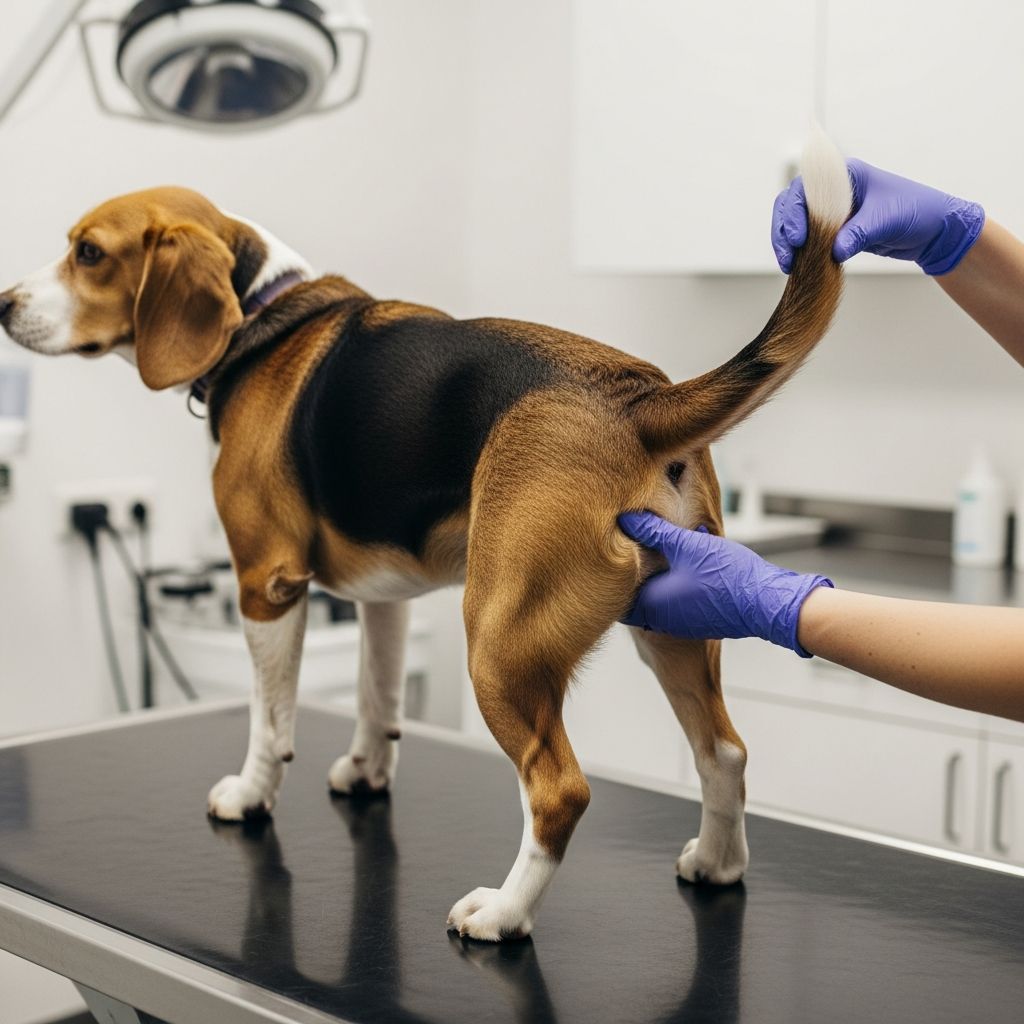
How to Empty Dog’s Anal Glands
Dog anal glands, also known as anal sacs, are small sacs located on either side of a dog’s anus that produce a pungent fluid used for scent marking. Normally, these glands empty naturally during bowel movements, but blockages can cause discomfort, leading to behaviors like scooting. Learning to express them safely at home can provide relief, but always consult a vet first to rule out infections or other issues.
What Are Dog Anal Glands?
Anal glands are paired sacs positioned at approximately the 4 and 8 o’clock positions around the anus, just inside the sphincter. They secrete a thick, smelly fluid that dogs use to mark territory. In healthy dogs, firm stools passing through the anus naturally squeeze the glands, releasing a small amount of fluid each time.
Problems arise when the gland ducts narrow due to inflammation, infection, small stool size, or obesity, preventing natural emptying. Impacted glands fill with fluid, becoming painful and causing secondary issues like abscesses if untreated. Small breeds, overweight dogs, and those with soft stools or allergies are more prone to recurrent problems.
Signs Your Dog’s Anal Glands Need Emptying
Recognizing symptoms early prevents escalation. Common indicators include:
- Scooting: Dragging rear end on floors or carpets to relieve pressure.
- Fishy odor: Strong, unpleasant smell from the rear, sometimes on breath if licked.
- Licking or biting: Excessive attention to rear, tail base, or feet.
- Painful defecation: Straining, yelping, or hesitation during poops.
- Tail tucking or reluctance: Avoiding tail lifting or handling near the area.
- Behavioral changes: Depression, reduced tail wagging, or irritability.
If you notice these, gently check the area: full glands feel like firm peas on either side of the anus. A leaking brownish fluid or blood warrants immediate vet attention.
Should You Empty Your Dog’s Anal Glands at Home?
Yes, with vet approval, many owners can express glands externally at home, saving time and money. Vets often teach the technique during checkups. However, not all dogs need routine expression—most empty naturally. Over-expression can irritate glands or cause infections, so only proceed if symptoms appear, typically every 4-8 weeks for problem cases.
Consult a vet first to confirm the issue and exclude infections, which may require antibiotics. Home expression suits mild impactions; severe cases need professional internal methods or flushing under sedation.
How to Empty Dog Anal Glands: External Method (Step-by-Step)
The external method is safest for beginners, non-invasive, and effective for most blockages. It takes 5-10 minutes. Have a helper restrain your dog gently.
Supplies needed:
- Disposable gloves
- Paper towels or wipes
- Pet-safe lubricant (optional)
- Treats for rewards
- Clean towels for cleanup
- Deodorizing spray
- Prepare your dog: Choose a calm, non-slip surface like a bathtub. Have a helper hold the dog standing or in a gentle lift, tail raised. Reward calm behavior.
- Locate the glands: Wear gloves. Place thumb and forefinger 1 inch from anus on opposite sides (4 and 8 o’clock). Feel for pea-sized lumps.
- Express: Hold paper towel over anus. Gently pinch fingers together while pushing inward and upward toward the anus (milking motion). Repeat 3-5 times per side until fluid flows—a smelly, tan-brown liquid, possibly pasty.
- Check emptiness: Glands should feel soft/deflated. No more fluid means done. If chunky, bloody, or painful, stop and call vet.
- Clean up: Wipe dog with pet wipes, spray deodorizer. Dispose waste safely. Praise and treat dog.
Tip: Practice on a calm dog. If no fluid after tries, try repositioning fingers slightly.
Internal Method for Expression
Vets prefer this for stubborn impactions. It’s more invasive, so home use requires experience.
- Lubricate gloved finger.
- Gently insert 1-2 inches into anus.
- Feel grape-sized sac on wall; press toward external thumb on same side into tissue.
- Repeat opposite side. Clean thoroughly.
Risks include discomfort or injury if forced. Use only if external fails and vet-trained.
When to See a Vet for Anal Gland Issues
Seek professional help if:
- Home expression fails or yields no fluid.
- Fluid is bloody, pus-filled, or black.
- Dog yelps in pain or shows swelling/redness (abscess risk).
- Frequent issues (every 2-4 weeks).
- Recurrent infections or diarrhea.
Vets may flush glands, prescribe antibiotics/pain relief, or culture for bacteria. Chronic cases might need dietary changes or, rarely, surgical removal (anal sacculectomy), a procedure with risks like incontinence.
Preventing Anal Gland Problems
Promote natural emptying:
- Diet: High-fiber food (add pumpkin, bran) for bulky stools. Avoid soft diets.
- Exercise: Daily walks firm stools and aid expression.
- Weight management: Obesity narrows ducts; keep ideal weight.
- Hygiene: Regular rear cleaning prevents infections.
- Breed awareness: Monitor small breeds/chihuahuas closely.
| Factor | Risk Level | Prevention |
|---|---|---|
| Soft stools | High | Fiber supplements |
| Overweight | High | Diet/exercise |
| Allergies | Medium | Hypoallergenic food |
| Large breeds | Low | Regular checks |
Frequently Asked Questions (FAQs)
Do all dogs need their anal glands expressed?
No, most empty naturally with firm poops. Only express if symptomatic.
Is it safe to express at home?
Yes, externally with vet guidance. Avoid if infected/painful.
How often should I empty them?
Only as needed; routine can cause issues. Check monthly if prone.
What if nothing comes out?
Stop; see vet for possible impaction/infection.
Can anal glands be removed?
Yes, surgically for chronic cases, but risks exist. Discuss with vet.
Why the fishy smell?
Impacted fluid leaks; expression relieves it.
References
- Expressing Canine Anal Glands — University of Bristol Veterinary School. 2023. https://www.bristol.ac.uk/media-library/sites/vetscience/documents/clinical-skills/Expressing%20Canine%20Anal%20Glands.pdf
- Blocked Anal Glands in Dogs — People’s Dispensary for Sick Animals (PDSA). 2024-06-15. https://www.pdsa.org.uk/pet-help-and-advice/pet-health-hub/conditions/blocked-anal-glands-in-dogs
- How to Express a Dog’s Anal Glands — PetMD (MSD Veterinary Manual affiliate). 2025-03-10. https://www.petmd.com/dog/general-health/how-to-express-dog-anal-glands
- Emptying a Dog’s Anal Sacs — Urban Animal Veterinary Hospital. 2024. https://urbananimalveterinary.com/event/emptying-a-dogs-anal-sacs/
- How to Empty Your Dog’s Anal Sacs — Dummies.com (Wiley Publishing). 2023-11-20. https://www.dummies.com/article/home-auto-hobbies/pets/dogs/health-grooming/how-to-empty-your-dogs-anal-sacs-197571/
Similar Articles



Read full bio of Sneha Tete