

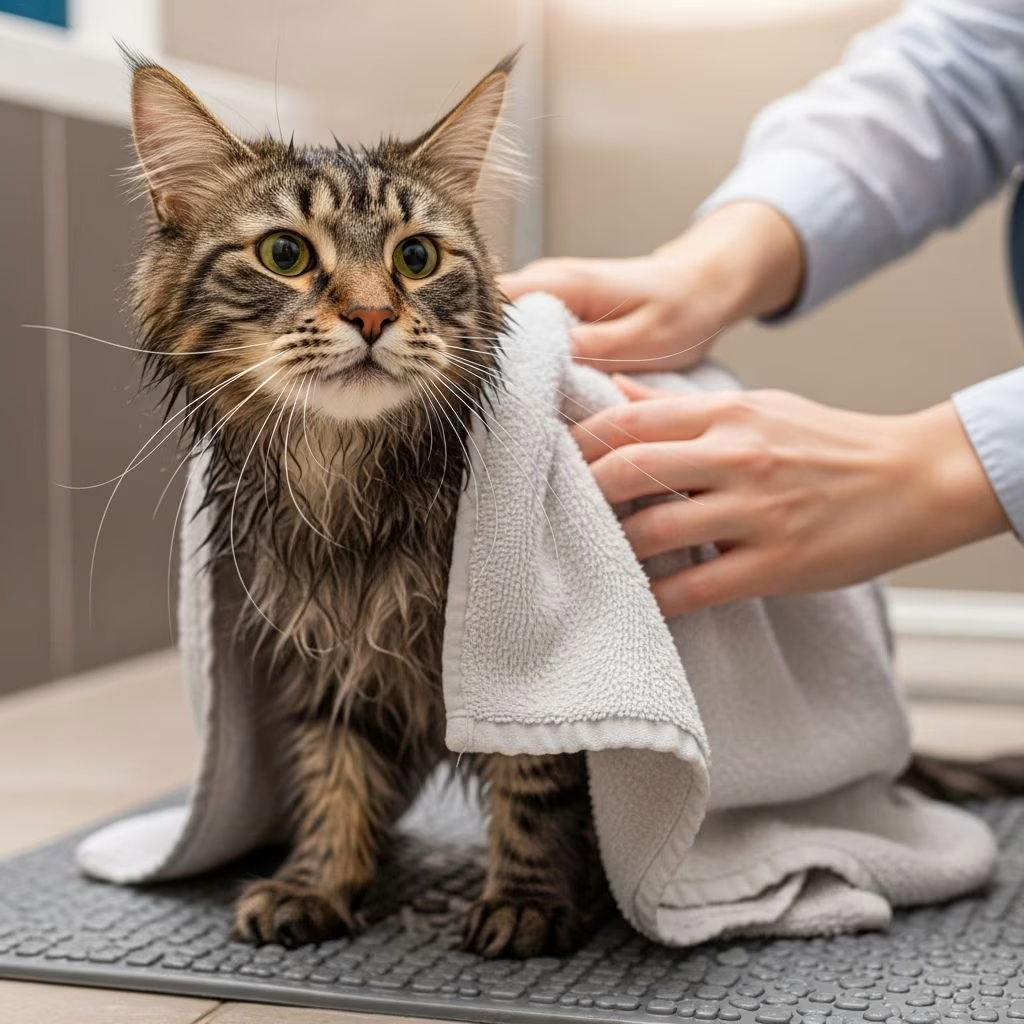
Cats typically groom themselves meticulously, making baths a rare necessity reserved for medical reasons, severe dirt, or long-haired breeds prone to matting. However, when a bath is unavoidable, proper drying is crucial to prevent hypothermia, skin irritation, or infections from trapped moisture. Wet cats chill quickly due to their high surface area-to-body mass ratio, and residual water in ears or fur can lead to bacterial growth. This comprehensive guide outlines the six essential steps for drying your cat effectively, tailored to their temperament and coat type, ensuring a stress-minimized process that prioritizes your pet’s comfort and health.
The 6 Steps for Drying Your Cat
Drying begins the moment the rinse cycle ends. Speed and gentleness are key to avoid escalating your cat’s anxiety from the bath. Follow these vet-recommended steps to transition smoothly from wet to dry.
- Place the Towel Flat Next to the Sink or Tub
Preparation is paramount. Before starting the bath, lay a large, absorbent towel—preferably microfiber for superior water absorption—directly adjacent to the bathing area. This eliminates the need to reach for it, reducing escape opportunities and exposure to cold air. Microfiber towels wick away moisture up to seven times faster than cotton, minimizing drip time. - Get Your Cat Out of the Water
Once thoroughly rinsed (no shampoo residue, which can irritate skin), drain excess water by gently slicking it from their body with your hands. Focus on legs, belly, and back. Lift your cat calmly onto the towel, supporting their body fully to maintain security. At this stage, they are vulnerable and cold, so minimize air exposure. - Quickly Swaddle
Swaddle your cat burrito-style immediately, tucking legs against their body for restraint and comfort. This mimics the security of being held by their mother, calming most cats. Hold firmly but gently to prevent bolting, especially for feisty felines. Swaddling absorbs initial drips while you prepare for patting. - Gently Pat
Pat dry starting from the head down, using light pressure to blot moisture. Pay special attention to the face: use a soft cotton pad to wipe around eyes, nose, and mouth, removing any water droplets that could enter sensitive areas. Avoid rubbing, which tangles fur and causes discomfort. - Rub the Fur Thoroughly
After patting out bulk water, transition to gentle rubbing with the towel. Work in sections—head, body, legs, tail—ensuring ears are dried externally to prevent infections. Fur should feel damp, not soaking. For long-haired cats, use a wide-tooth comb here to detangle while damp, preventing mats. - Air Dry in a Warm Room
Place your cat in a draft-free, warm room (around 75-80°F or 24-27°C) with cozy bedding. Indoor cats must stay inside until fully dry to the skin. Monitor for shivers; offer a heated blanket if needed. Short-haired breeds air-dry faster (20-30 minutes), while long-haired ones may take 1-2 hours.
Tips for Drying Your Cat
Beyond the core steps, these strategies enhance efficiency and reduce stress, adapting to your cat’s unique needs. Temperament dictates your approach: calm cats allow more handling, while anxious ones require minimal intervention.
Prepare Yourself
Assemble all tools beforehand: multiple towels, comb, cotton pads, and treats for positive reinforcement. Wear old clothes to manage wet fur flinging. A helper can secure the cat while you dry, ideal for wiggly pets.
Temperament Matters
Observe your cat’s bath behavior. Cooperative cats tolerate rubbing and brushing; escape artists need swift swaddling and air drying. Never force drying on a panicked cat—prioritize safety to avoid scratches. Gradual desensitization with positive associations (treats post-bath) improves future sessions.
Rinse Thoroughly Before Drying
Residual shampoo dries into itchy flakes, risking dermatitis. Run water until no bubbles appear, even if it means a brief re-wet. Skin health trumps speed here; consult a vet if irritation persists post-bath.
Alternative Drying Methods
- Microfiber Towels: Highly absorbent, reducing drying time by 50% compared to cotton. Pat and rub without friction.
- Pet Hair Dryers: Low-heat, quiet models (under 50dB) on cool setting, held 12 inches away. Introduce gradually; many cats acclimate over sessions. Avoid human dryers—too hot and loud.
- Brushing During Drying: Removes trapped water and stimulates natural oils. Use a slicker brush for short hair, undercoat rake for long.
- Air Drying: Best for short-haired cats in warm environments. Enhance with fans on low (no direct blast) for circulation.
- Heated Options: Pet-safe heated mats or blankets post-toweling for chilly cats or winter baths.
Coat Type Considerations
| Coat Type | Best Methods | Time Estimate | Tips |
|---|---|---|---|
| Short-Haired | Towel pat/rub + air dry | 20-40 min | Minimal brushing; focus on belly/legs. |
| Long-Haired | Towel + brushing + low-heat dryer | 1-2 hours | Comb to prevent mats; section dry. |
| Kittens/Seniors | Gentle towel + warm room | 30-60 min | Extra warmth; vet check if shivering. |
This table summarizes tailored approaches based on common cat profiles, ensuring optimal results.
Post-Drying Care
Once dry, brush thoroughly to distribute oils and check for skin issues, fleas, or wounds exposed by wet fur. Offer a quiet nap spot—post-bath exhaustion is normal. Monitor for 24 hours: sneezing, lethargy, or hotspots warrant a vet visit. Regular grooming reduces bath frequency.
Common Mistakes to Avoid
- Rubbing vigorously: Causes breakage and mats.
- Cold rooms: Risks hypothermia.
- Skipping ear drying: Leads to infections.
- Human hair dryers: Burns and trauma.
- Releasing too soon: Wet cats groom excessively, ingesting water.
Why Proper Drying Matters
Baths strip protective oils, making skin vulnerable. Incomplete drying prolongs chill, stresses the immune system, and fosters yeast/bacterial growth, per veterinary guidelines. A dry cat recovers faster, resuming normal behavior without resentment. Over time, consistent gentle handling builds tolerance, turning baths into tolerable routines.
Frequently Asked Questions (FAQs)
Q: Can I use a human hair dryer on my cat?
A: No, human dryers are too hot and loud, causing burns or panic. Opt for pet-specific dryers on cool/low settings if tolerated.
Q: How long does it take for a cat to dry after a bath?
A: 20 minutes to 2 hours, depending on coat length and method. Short hair air-dries quickest; long hair needs assistance.
Q: What if my cat hates being towel-dried?
A: Swaddle briefly for absorption, then air dry in warmth. Use treats to associate positively; patience prevents escalation.
Q: Is it safe to bathe cats regularly?
A: Rarely needed; spot clean or dry shampoo suffices. Baths for medical reasons only, with vet approval to avoid dry skin.
Q: What towels are best for drying cats?
A: Microfiber for absorption and gentleness; large size for full swaddling. Avoid rough textures.
References
- Essential Cat Wash Guide: Steps for a Healthy, Clean Cat — Welltayl. 2023. https://welltayl.com/blogs/news/essential-cat-wash-guide-steps-for-a-healthy-clean-cat
- How to Dry a Cat After a Bath: Vet-Approved Step-by-Step Guide — Catster. 2024-10-15. https://www.catster.com/cat-health-care/how-to-dry-a-cat-after-bath/
- How to Dry a Cat Quickly After a Bath (PETKIT Air Salon Max) — The Cat Butler (YouTube). 2022-10-29. https://www.youtube.com/watch?v=MjLglnUgp-I



