

How to Dog-Proof Your Christmas Tree: A Complete Safety Guide
The holiday season brings joy and festive decorations to our homes, but for dog owners, a Christmas tree can present several unexpected dangers. From curious noses investigating sparkling ornaments to tails inadvertently knocking over fragile decorations, your beloved canine companion can quickly turn your beautiful tree into a hazard zone. Understanding how to dog-proof your Christmas tree is essential for ensuring both your pet’s safety and your peace of mind during the festive season. This comprehensive guide will walk you through practical strategies and preventive measures to keep your dog safe while maintaining the beauty of your holiday decorations.
Anchor Your Tree Securely
One of the most critical steps in dog-proofing your Christmas tree is ensuring it won’t topple over. An excited tail bump, a curious nose, or even a pup pawing at an ornament can cause a tree to fall unexpectedly. A falling tree can result in serious injuries to your dog, including wounds or broken bones. To prevent this disaster, your tree should be mounted on a wide, stable base stand and, ideally, anchored to a wall using hooks and fishing wire or sturdy brackets.
When selecting a tree stand, choose one with the widest base available to provide maximum stability. For added security, consider tucking your tree in a corner or behind a sofa, which provides natural support from multiple sides. If anchoring to the wall isn’t feasible, you can use weighted sandbags or water bottles placed strategically around the base. This investment in stability is one of the most important dog-proofing measures you can take, as it eliminates one of the most dangerous potential hazards.
Secure Electrical Cords Properly
Electrical cords present dual dangers to your curious dog: they can be a tripping hazard and a shock hazard if chewed or bitten. Loose cords can cause your dog to stumble and fall, potentially resulting in injury or damage to your tree and decorations. More seriously, chewing or biting through a cord can lead to severe electrical shocks that can damage your dog’s mouth, heart, and lungs, potentially resulting in fatal injuries.
To minimize these risks, secure all electrical cords tightly to the tree trunk and tape them to the floor using heavy-duty tape. Use cord covers or protective sleeves to add an extra layer of protection. A tree skirt is an excellent solution as it conceals the water container and provides coverage for cords. Alternatively, you can purchase cord protectors specifically designed for this purpose. Additionally, consider using electrical cords that automatically shut off when damaged—this feature provides critical protection should your dog manage to access exposed wires. Never leave lights and electrical devices unattended, and always unplug decorations before bed or when leaving your home.
Placement of Ornaments Is Key
Strategic ornament placement is fundamental to creating a dog-safe Christmas tree. When decorating, reserve the lower branches for the most durable, least chewable ornaments. The lower third of the tree experiences the most contact with dogs due to their height and the natural curiosity that leads them to investigate dangling objects. This lower area is a high-impact zone for excited wagging tails that can knock ornaments off the tree.
Hang your fragile, delicate, and most cherished ornaments higher on the tree where they’re out of reach. This protects both your meaningful decorations and your dog from potential hazards associated with broken glass or small ornament pieces. If you have a dog that is particularly likely to get into tree decorations, consider using a tree without ornaments or one decorated with only lights. This still creates a beautiful, festive appearance while significantly reducing safety risks.
Avoid using ornaments with small parts that could be choking hazards. Additionally, steer clear of edible decorations such as strings of popcorn, cranberries, or candy ornaments, as these can cause digestive issues or other health problems if ingested. Metal hooks used to hang ornaments should be avoided entirely, as they can fall from the tree and pose a serious injury risk to your dog.
Keep the Tree Water Safe
If you’re using a live Christmas tree, the water in the tree stand can pose a significant health risk to your dog. This water often contains preservatives and bacteria that can be toxic or cause gastrointestinal upset if ingested. Stagnant tree water becomes a breeding ground for harmful bacteria over time, making it even more dangerous.
Prevent your dog from accessing tree water by covering the container with a tree skirt or a specially designed pet-safe tree water bowl cover. You can also wrap the top of the bowl with aluminum foil or place an e-collar around the bowl to prevent access. If your tree stand doesn’t have a cover, simply hide the water container underneath an attractive tree skirt or decorative barrier. This simple measure prevents your dog from drinking potentially harmful water while maintaining the aesthetic appeal of your holiday display.
No Food on the Tree
While decorating with edible items like candy canes, popcorn strings, or cranberry garlands may create a charming aesthetic, these decorations pose significant risks to your dog’s health. Dogs are naturally drawn to food-based decorations, and consuming these items can lead to various health issues ranging from mild digestive upset to serious medical emergencies.
Chocolate, often found in Christmas decorations and candies, is toxic to dogs and can cause severe health complications. Coffee and other stimulants are also dangerous. Additionally, strings of popcorn or cranberries can pose choking hazards or cause intestinal blockages if swallowed. To keep your dog safe, avoid using any food items as tree decorations. Instead, opt for traditional, durable ornaments, lights, and ribbons that provide festive appeal without health risks.
Don’t Make Gifts Accessible
Beautifully wrapped presents under the tree are visually appealing to humans but can look like irresistible toys to your dog. Many dogs see wrapped packages as an exciting opportunity to unwrap and discover what’s inside, often resulting in torn wrapping paper, damaged gifts, and potentially ingested materials that could harm their health.
This becomes even more dangerous when presents contain items that are toxic to dogs, such as chocolate, coffee, medications, or other harmful substances. Rather than risk this scenario, consider placing your presents on an elevated area near the tree, such as a high shelf or table that your dog cannot access. Alternatively, use a small fence or dog gate to create a barrier around the gifts. If space is limited, consider storing presents in a closed closet or another secure location until you’re ready to open them on Christmas morning. This strategy keeps your dog safe while also preserving the element of surprise for gift-giving.
Strategic Tree Positioning and Barriers
Beyond securing the tree itself, strategic placement can significantly enhance dog-proofing efforts. Position your tree in a corner or tucked behind a sofa whenever possible, as this limits access points and makes it easier for you to monitor your dog’s interaction with the tree. If your home layout allows, place the tree in a room that can be closed off with a door, preventing unsupervised access entirely.
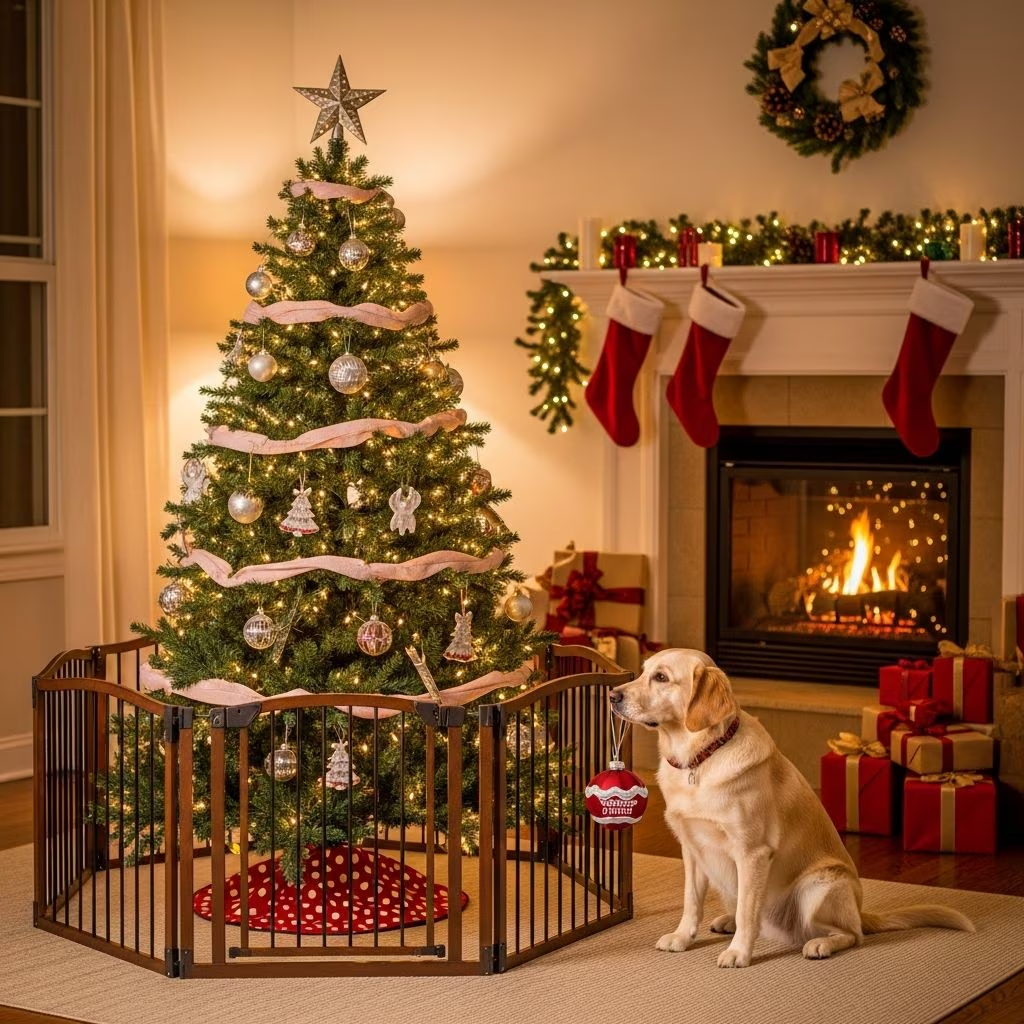
For particularly curious or mischievous dogs, consider using a dog gate to create a Christmas tree fence. A sturdy baby gate or decorative pet fence can effectively limit your dog’s access to the tree while still allowing you to see and enjoy your festive display. Choose a gate height that your dog cannot easily jump over, as some determined pups may attempt to bypass shorter barriers. For extra stubborn dogs, you might need to use a combination approach with both a gate and a closed door.
Introduce Your Dog Gradually to the Tree
Rather than placing a fully decorated tree in your home and hoping your dog adjusts well, introduce the tree gradually throughout the decorating process. This measured approach helps your dog become comfortable with the changes and reduces anxiety or excessive curiosity. Begin by setting up the tree stand alone, allowing your dog to investigate and become familiar with this new object in their environment.
With careful supervision, you can allow your dog to explore each stage of decorating, from adding lights to hanging ornaments. This gradual exposure helps normalize the tree’s presence and reduces the novelty factor that often drives dogs to investigate and potentially damage decorations. Supervise all interactions during this introduction period, and praise calm, appropriate behavior while discouraging any attempts to chew, jump on, or knock over the tree.
Consider Crate Training
For situations where you cannot supervise your dog or need extra security, crate training offers a practical solution. If you’re away at work or cannot maintain constant supervision, keeping your dog in a well-equipped crate protects both your tree and your pet. Make sure the crate is comfortable with a thick pad and is never used as punishment, but rather as a safe space your dog has learned to appreciate.
Crate training requires patience and positive reinforcement, but it provides peace of mind knowing your dog is safe and your decorations are protected during times when you cannot supervise. Introduce crate training well before the holiday season so your dog becomes accustomed to the space. Never force your dog into the crate; instead, use treats and positive associations to make it an inviting sanctuary.
Unplug and Supervise
One of the simplest yet most effective dog-proofing strategies is to unplug all cords unless you are actively supervising your dog. This eliminates electrical hazards entirely when your pet is unsupervised. Additionally, consider using an indoor motion-activated security camera to alert you if your dog gets too close to the tree when you’re in another room. This technology allows you to monitor your dog’s behavior and intervene quickly if necessary.
Schedule regular supervision sessions where you observe your dog’s interaction with the tree. This allows you to address any concerning behaviors immediately and reinforces positive, calm behavior around the decorations. The goal is to teach your dog that the tree is not a toy or play object, but rather part of the household environment they should respect.
Training Techniques to Discourage Tree Interaction
Beyond physical barriers and adjustments, behavioral training can help discourage your dog from bothering the tree. One effective technique is the water spray method: when your dog approaches the tree inappropriately, gently spritz them with a water bottle as a reminder to keep their distance. Aim away from electrical outlets to maintain safety. Some dog owners place intimidating objects like a vacuum cleaner or broom near the tree, as many dogs find these items somewhat frightening and will avoid them.
Positive reinforcement is equally important. Reward your dog generously when they display calm behavior around the tree or ignore it entirely. Use high-value treats and enthusiastic praise to reinforce the message that ignoring the tree is the desired behavior. Consistency is key—all family members should apply the same training techniques to avoid confusing your dog.
Frequently Asked Questions
Q: What should I do if my dog ingests ornaments or tree materials?
A: Contact your veterinarian or poison control immediately. Ingested ornaments, glass, or tree preservatives can cause serious health issues including intestinal blockages, toxicity, or internal injuries. Provide your vet with information about what was ingested and when, and watch for symptoms like vomiting, lethargy, or loss of appetite.
Q: Are artificial trees safer than real trees for dogs?
A: Both types have pros and cons. Real trees shed needles that can cause intestinal blockages if ingested, but they’re typically less likely to topple. Artificial trees are more stable but may have toxic coatings or small parts that could be hazards. The safety depends more on how well the tree is secured and decorated than on whether it’s real or artificial.
Q: How can I tell if my dog ate something dangerous from the tree?
A: Watch for symptoms including vomiting, diarrhea, lethargy, loss of appetite, difficulty breathing, or unusual behavior. Some toxins cause delayed reactions, so monitor your dog for several days after any suspected ingestion. When in doubt, contact your veterinarian for professional guidance.
Q: Is it okay to use any type of decoration on a dog-friendly tree?
A: Stick to large, durable, non-toxic ornaments made of materials your dog cannot easily break or ingest. Shatterproof plastic ornaments, fabric decorations, and sturdy wooden pieces are safer choices than fragile glass. Avoid anything with small parts, toxins, or edible components.
Q: What’s the best way to introduce a Christmas tree to a dog with anxiety?
A: Take an extremely gradual approach with anxious dogs. Begin with just the stand, then add small sections one at a time over several weeks. Use positive reinforcement, treats, and calm interaction. If your dog shows extreme distress, consider keeping the tree in a separate room or placing it behind a secure barrier until your dog adjusts.
References
- Ways to Dog-Proof Your Christmas Tree — PetMD. 2025. https://www.petmd.com/dog/ways-to-dog-proof-christmas-tree
- How to Dog Proof Your Christmas Tree — Leash and Learn NYC. https://leashandlearnnyc.com/how-to-dog-proof-your-christmas-tree/
- How to Make Your Christmas Tree More Pet Friendly — Christmas Central. https://www.christmascentral.com/blog/how-to-make-your-christmas-tree-more-pet-friendly/
- How to Have a Child- and Pet-Friendly Christmas Tree at Home — Balsam Hill. https://blog.balsamhill.com/how-to-make-your-christmas-tree-pet-friendly/
- 13 Tips for Dog Proofing Your Christmas Tree — K&H Pet Products. https://khpet.com/blogs/dogs/13-tips-for-dog-proofing-your-christmas-tree



