

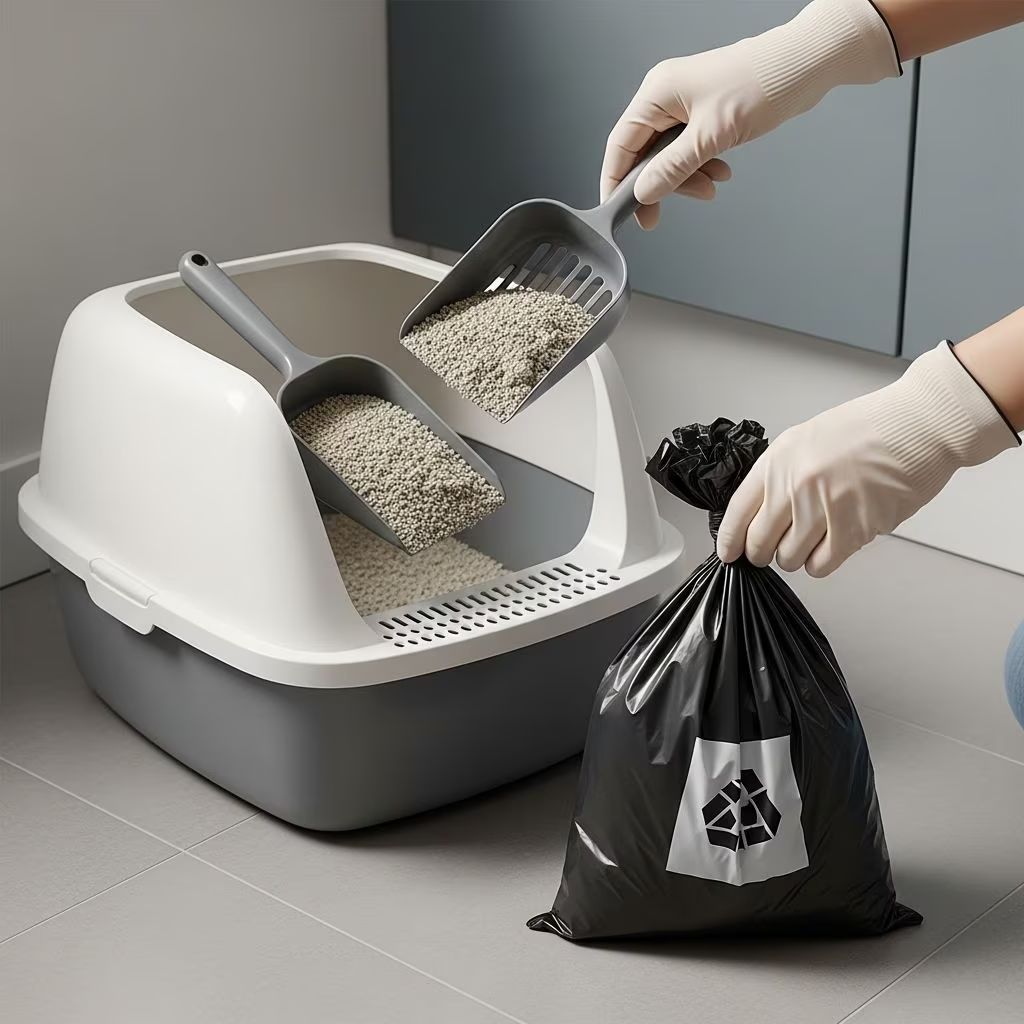
Disposing of used cat litter responsibly is essential for cat owners to maintain a clean home, protect plumbing systems, and minimize environmental impact. With various litter types available, knowing the right disposal method prevents costly repairs and health risks from bacteria or parasites in cat waste.
Why Proper Disposal Matters
Cat litter, especially when mixed with feces and urine, can harbor pathogens like Toxoplasma gondii, which poses risks to humans and wildlife. Flushing litter often leads to sewer clogs, septic system failures, and wastewater treatment issues, as non-biodegradable materials expand in water. Environmentally, landfilled litter contributes to methane emissions, but eco-friendly alternatives reduce this footprint. Always check local regulations, as rules vary by region for bio-waste or composting.
Types of Cat Litter and How to Dispose of Them
Different litters require specific handling due to their composition. Understanding these helps choose safe disposal.
Clay Litter
Traditional **clay litter**, often bentonite-based, excels at clumping and odor control but is non-biodegradable. It swells dramatically in water, making it dangerous for plumbing. Never flush; bag it tightly in double layers and discard in household trash or residual waste bins.
- Scoop daily to reduce volume.
- Use scented bags for odor control.
- Heavy when wet, so dispose frequently.
Silica or Crystal Litter
Silica gel litters are lightweight and absorbent but non-clumping and non-biodegradable. They must go into residual waste, not organics or compost, as they don’t break down.
- Replace entirely every 1-2 weeks.
- Avoid flushing; crystals can damage pipes.
- Bag securely to prevent dust spread.
Biodegradable and Natural Litters
Plant-based options like pine, wheat, corn, walnut shells, or recycled paper are eco-friendlier. Some claim flushability, but caution is advised. Check brands and local rules—many still risk clogs.
| Litter Type | Flushable? | Best Disposal | Compostable? |
|---|---|---|---|
| Pine/Wood Pellets | No | Trash or bio-waste if allowed | Unused only |
| Corn/Wheat | Sometimes (brand-specific) | Compost clean litter; trash soiled | Partial |
| Paper/Recycled | No | Bio-waste bag | Yes, unused |
| Walnut Shell | No | Trash | Limited |
For plant-fiber litters like Cat’s Best, disposal in organic waste or even toilets may be permitted locally, but verify.
Why You Should Never Flush Cat Litter
Despite some ‘flushable’ labels, flushing cat litter is risky. Clay expands up to 15 times its size, causing blockages. Even biodegradables can overwhelm septic systems or municipal plants not designed for solids. In surveys, many owners flush, leading to plumbing bills averaging $250-$1,000. Cat feces introduce parasites into waterways, harming fish and contaminating drinking sources. Official guidelines universally advise against it except rare plant-based cases.
- Clogs pipes and septic tanks.
- Overloads wastewater treatment.
- Environmental pollution from pathogens.
Safe and Eco-Friendly Disposal Methods
Opt for practical, green strategies tailored to your litter.
1. Bagging and Trashing
The safest universal method: Scoop waste into biodegradable or sturdy plastic bags, tie securely (double-bag for odor), and place in mixed/residual waste bins. Avoid bio-waste unless specified locally.
- Use pet-specific waste bags.
- Sprinkle baking soda for freshness.
- Take trash out daily.
2. Composting (With Caveats)
Only for clean, unused biodegradable litter. Never compost soiled litter due to bacteria, parasites, and pathogens not killed in home compost (needs 140°F+). Use for non-edible plants only.
- Separate clean litter.
- Hot compost piles preferred.
- Check municipal bio-waste rules.
3. Biodegradable Bags and Services
Switch to plant-based poop bags that break down in landfills. Some cities offer pet waste pickup services with special bins for eco-disposal.
- Reduces plastic waste (2M tons yearly from litter).
- Services like those in urban areas process waste sustainably.
4. Municipal Guidelines
Follow local rules: Some areas allow clay/paper in green organics if bagged compostably. Silica always in garbage.
Tips for Reducing Litter Waste
Minimize disposal needs proactively.
- Scoop daily: Prevents buildup and odors.
- Choose low-dust, efficient litters.
- Deep-clean box weekly with mild soap.
- Multi-cat homes: Use larger boxes, more litter.
- Avoid liners: Noisy plastic harms cat comfort and environment.
FAQ
Can I flush cat litter?
No, most litters cause clogs and environmental harm. Only specific plant-based ones if local rules allow.
Is cat litter compostable?
Unused biodegradable litter yes, for non-food plants. Soiled never, due to pathogens.
What if I have a septic system?
Absolutely avoid flushing or bio-waste; bag for trash only to prevent failure.
Are there eco-friendly litters that flush?
Few, and even then, test sparingly. Brands like some corn-based claim it, but pipes vary.
How often should I dispose of litter?
Scoop daily, full change weekly or bi-weekly based on cats and litter type.
Can I put cat litter in recycling?
No, contaminated waste goes to trash only.
Choosing the Right Litter for Easy Disposal
Opt for biodegradables to simplify. Corn litters clump well, control odors, compost partially. Wood pellets offer absorbency. Transition slowly to avoid cat rejection.
By adopting these practices, cat owners ensure safety, comply with laws, and support sustainability. Consult vets for health concerns or local waste authorities for specifics.
References
- Can Cat Litter Be Flushed? A Complete Guide to Disposing of Cat Litter Properly — BioKitty. 2023. https://biokitty.co.uk/blogs/news/can-cat-litter-be-flushed-a-complete-guide-to-disposing-of-cat-litter-properly
- Eco-friendly ways to dispose any kind of cat litter — Apollo Fluffy Cat. 2023. https://apollofluffycat.com/en/eco-friendly-ways-to-dispose-any-kind-of-cat-litter/
- Cat litter disposal: your at-a-glance guide — Catsan. 2024. https://www.catsan.co.uk/cat-litter-tips-and-advice/cat-litter-disposal-your-at-a-glance-guide
- Eco-Friendly Cat Waste Management: Sustainable Practices for Pet Owners — Petmate. 2024. https://www.petmate.com/blogs/petmate-academy/eco-friendly-cat-waste-management
- How to Dispose of Cat Litter: Cat Waste Disposal Products — SuperTails. 2024. https://supertails.com/collections/cat-waste-disposal
- How to correctly dispose of cat litter! — Cat’s Best. 2023. https://www.catsbest.eu/how-to-correctly-dispose-of-cat-litter/
- Garbage – How to dispose of or recycle Cat litter — City of Spruce Grove. 2025. https://www.sprucegrove.org/services/garbage-organics-recycling/garbage/



