

How to Dispose of Used Cat Litter Safely and Responsibly
Cat ownership comes with the responsibility of properly managing your pet’s waste. One of the most important aspects of cat care is figuring out the best way to dispose of used cat litter. While it might seem like a straightforward task, there are actually several methods available, each with its own advantages and disadvantages. Understanding these options will help you choose the most appropriate disposal method for your household and local regulations.
Understanding Different Types of Cat Litter
Before you can determine the best disposal method, it’s essential to understand the different types of cat litter available and their characteristics. Not all litters are created equal, and some are more suitable for certain disposal methods than others.
Clay Litter
Clay litter is one of the most popular and traditional types of cat litter on the market. It’s highly effective at absorbing moisture and controlling odor, making it a favorite among cat owners. However, clay litter is non-biodegradable and can form problematic clumps when it comes into contact with water. This makes it completely unsuitable for flushing down toilets, as it can cause serious plumbing damage.
Best disposal method: Bag it securely and place it in your regular household trash.
Natural Biodegradable Litter
Natural litters are manufactured from sustainable materials such as pine, wheat, corn, recycled paper, or compressed wood. These eco-friendly alternatives are designed to break down naturally over time. Some brands market their products as “flushable,” particularly plant-based options. However, even these litters can cause plumbing complications, and flushing them may not always be safe, especially if your home’s plumbing system isn’t equipped to handle it.
Disposal recommendation: Check local regulations and your plumbing type before flushing. When in doubt, compost unused litter or dispose of it in the trash.
Silica Gel Litter
Silica gel litter is a non-clumping option that absorbs moisture effectively. Like clay litter, it is non-biodegradable and should never be flushed. This type of litter must be disposed of in your regular trash.
Why Flushing Cat Litter Is Not Recommended
Despite the marketing claims of “flushable” cat litter, plumbing experts and environmental agencies strongly advise against flushing cat litter for several critical reasons:
- Plumbing damage: Even litters designed to break down can accumulate in pipes and cause blockages, leading to expensive plumbing repairs.
- Septic system problems: If you have a septic system, cat litter can disrupt the delicate bacterial balance needed for proper functioning.
- Water treatment issues: Cat litter particles can overwhelm municipal water treatment facilities, causing operational problems.
- Environmental contamination: Flushing cat litter introduces harmful bacteria and parasites into waterways, affecting aquatic ecosystems and public health.
- Disease transmission: Cat feces can contain Toxoplasma gondii and other parasites that survive water treatment processes.
Safe and Effective Cat Litter Disposal Methods
Method 1: Bagging and Disposing in Trash
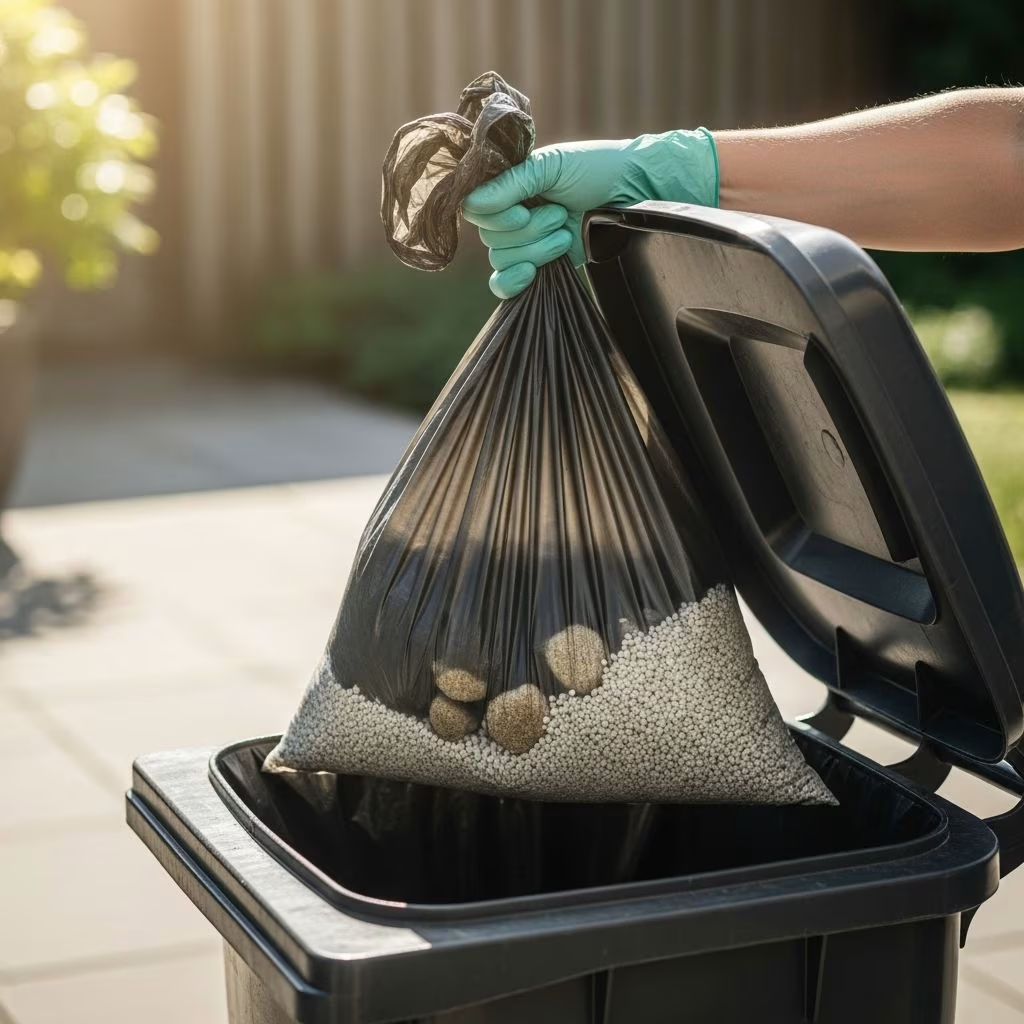
The most common and safest method for disposing of cat litter is the bagging and trashing approach. This method is practical, widely available, and minimizes health risks.
Steps for proper disposal:
- Use a cat litter scoop to remove soiled litter from the litter box daily.
- Place the scooped waste into a heavy-duty trash bag or biodegradable waste bag.
- Fill the bag only until it becomes difficult to tie, as overfilled bags can tear.
- Tie the bag securely into a knot.
- Double-bag the litter waste to prevent odor and bacterial leakage.
- Place the double-bagged litter into an outside trash can with a tight-fitting lid.
- Do not leave filled litter bags in your indoor trash for extended periods, as this increases odor and bacterial exposure.
Using heavy-duty, biodegradable trash bags is recommended, as they reduce the risk of tearing and allow for natural decomposition over time, minimizing environmental impact.
Method 2: Composting Unused Litter
If you use a natural, biodegradable litter such as pine, wheat, corn, or recycled paper, composting may be an option—but only under specific conditions.
Important considerations for composting cat litter:
- Never compost soiled litter: Cat feces contain harmful bacteria and parasites such as Toxoplasma gondii that may not be killed during standard home composting. Only compost unused, clean litter.
- Use communal composting: If available, place biodegradable litter in your local municipality’s communal bio-waste composting program, where higher temperatures kill pathogens.
- Avoid private compost bins: Home compost bins typically don’t reach temperatures high enough to eliminate all dangerous bacteria and parasites in cat feces.
- Apply compost carefully: Even composted clean litter should only be used for non-edible plants and landscaping, never for vegetables or herbs.
Method 3: Using Biodegradable and Compostable Bags
Switching from traditional plastic bags to biodegradable or compostable bags is an excellent way to reduce your environmental footprint. These bags are made from plant-based materials and break down naturally in landfills.
Advantages of biodegradable bags:
- Made from sustainable, plant-based materials
- Break down naturally without harming the environment
- Reduce plastic waste in landfills
- Still provide secure containment of waste and odor prevention
- Available at most pet stores and online retailers
Simply follow the same bagging procedures as you would with regular trash bags, but with the added benefit of environmental responsibility.
Method 4: Pet Waste Disposal Services
In many urban and suburban areas, specialized pet waste disposal services are available. These services operate similarly to composting programs but are specifically designed for pet waste.
How pet waste disposal services work:
- A special bin is provided for your pet’s waste.
- The service picks up the filled bin on a regular schedule (weekly or biweekly).
- Waste is transported to a facility for environmentally responsible processing.
- Services handle the entire process, eliminating the need for you to manage disposal.
This method is ideal for environmentally conscious cat owners who want professional handling of their pet’s waste.
Comparison of Disposal Methods
| Disposal Method | Cost | Environmental Impact | Convenience | Best For |
|---|---|---|---|---|
| Trash Bagging | Low | Moderate (uses landfill space) | Very High | All litter types, any home |
| Composting (Clean Litter Only) | Low to Moderate | Very High | Moderate (requires planning) | Biodegradable litter, eco-conscious owners |
| Biodegradable Bags | Moderate | High | Very High | Environmentally aware households |
| Pet Waste Services | Moderate to High | Very High | Very High | Urban areas with available services |
Important Don’ts for Cat Litter Disposal
To protect your plumbing, the environment, and public health, avoid these common mistakes:
- Don’t flush cat litter, even if labeled as flushable, as it can damage pipes and contaminate water supplies.
- Don’t put soiled cat litter in compost bins, whether private or communal composting systems designed for general waste.
- Don’t leave filled litter bags in indoor trash cans for extended periods, as this increases odor and bacterial growth.
- Don’t compost soiled litter for edible gardens, as parasites and bacteria can contaminate food crops.
- Don’t use cat litter liners, as they’re unpleasant for cats and add unnecessary plastic to landfills.
Frequently Asked Questions About Cat Litter Disposal
Q: Can I flush any type of cat litter down the toilet?
A: No. While some litters are marketed as flushable, they can still cause plumbing problems, damage septic systems, and contaminate water supplies. It’s safer to bag and trash all cat litter regardless of its flushable claims.
Q: Is it safe to compost cat litter?
A: Only clean, unused litter from biodegradable types can be composted, and only in municipal composting facilities that reach high enough temperatures to kill pathogens. Never compost soiled litter or use home compost bins for cat waste.
Q: What’s the most environmentally friendly disposal method?
A: Using biodegradable cat litter combined with compostable bags and a municipal pet waste service or composting program is the most eco-friendly option. If unavailable, biodegradable bags with regular trash disposal is the next best choice.
Q: How often should I change my cat’s litter?
A: Scoop daily to remove waste, and completely change litter weekly or as needed based on your cat’s usage and the litter type. Regular scooping reduces odor and keeps waste from sitting too long in your home.
Q: Are biodegradable trash bags worth the extra cost?
A: Yes, biodegradable bags break down naturally in landfills, reducing environmental impact. The modest additional cost is worthwhile for environmentally conscious cat owners.
Q: What should I do if I don’t have access to a pet waste disposal service?
A: Use the bagging and trash method with biodegradable or regular heavy-duty bags. This remains the safest and most practical option for most households without access to specialized services.
Conclusion
Properly disposing of cat litter is an important responsibility that protects your home’s plumbing, the environment, and public health. While flushing may seem convenient, it poses serious risks and is never recommended, regardless of product claims. Instead, choose from proven methods such as bagging in heavy-duty or biodegradable bags, composting unused biodegradable litter through municipal programs, or using specialized pet waste disposal services.
By understanding your cat’s litter type and selecting an appropriate disposal method, you can maintain a clean, hygienic home while making environmentally responsible choices. When in doubt, consult your local waste management guidelines or speak with your veterinarian for recommendations tailored to your specific situation. Your efforts contribute to protecting plumbing systems, waterways, and the planet for future generations.
References
- Can Cat Litter Be Flushed? A Complete Guide to Disposing of Cat Litter Properly — Bio Kitty UK. Accessed January 15, 2026. https://biokitty.co.uk/blogs/news/can-cat-litter-be-flushed-a-complete-guide-to-disposing-of-cat-litter-properly
- How to Dispose of Cat Litter: 3 Ways — PrettyLitter. Accessed January 15, 2026. https://www.prettylitter.com/blog/how-to-dispose-of-cat-litter-3-ways
- Eco-Friendly Cat Waste Management: Sustainable Solutions — Petmate. Accessed January 15, 2026. https://www.petmate.com/blogs/petmate-academy/eco-friendly-cat-waste-management
- Cat Litter Disposal: Your At-A-Glance Guide — Catsan UK. Accessed January 15, 2026. https://www.catsan.co.uk/cat-litter-tips-and-advice/cat-litter-disposal-your-at-a-glance-guide
- How to Dispose of Cat Litter: Safe Options for Your Home — Chewy. Accessed January 15, 2026. https://www.chewy.com/education/cat/health-and-wellness/how-to-dispose-of-cat-litter



