

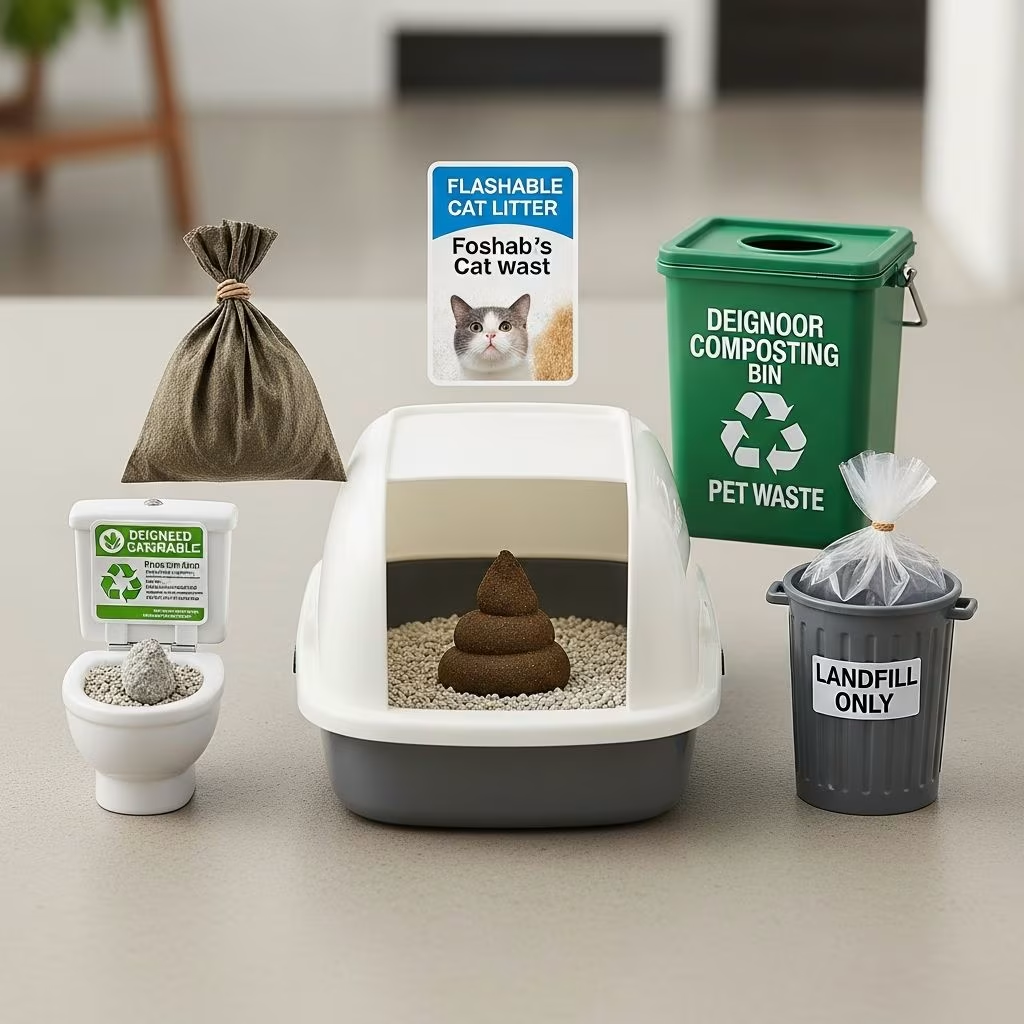
Disposing of cat poop and used litter is a routine task for cat owners, but it requires careful consideration to ensure hygiene, prevent odors, and minimize environmental impact. With millions of cats in households worldwide, proper waste management helps protect public health and ecosystems. This guide covers all essential methods, from standard trash disposal to advanced eco-friendly practices, helping you choose the best approach for your home and community.
Why Proper Cat Poop Disposal Matters
Cat waste contains pathogens like Toxoplasma gondii, a parasite that poses risks to humans, especially pregnant individuals and immunocompromised people, and can harm wildlife if mismanaged. In the U.S. alone, cat litter contributes significantly to landfill waste, with traditional clay litters being non-biodegradable. Choosing the right disposal method reduces these risks while maintaining a clean living space for your feline friend.
Key factors include your litter type (clumping clay vs. biodegradable), local regulations, and household setup. Always prioritize sealed containment to control odors and pests, and consider switching to sustainable options for long-term benefits.
Standard Method: Throwing Cat Poop in the Trash
The most common and universally accepted way to dispose of cat poop is placing it in the trash. This method suits all litter types and avoids plumbing or composting complications. Here’s how to do it effectively:
- Scoop daily: Remove waste promptly using a litter scoop to prevent bacterial buildup and odors. This keeps your cat’s box appealing and reduces health risks.
- Double-bag for security: Place scooped waste in a small plastic bag, seal it tightly, then put it inside a larger outdoor trash bag. This prevents leaks and smells.
- Choose durable bags: Opt for thick, tear-resistant bags. Biodegradable or compostable poop bags made from plant materials break down faster than plastic, reducing landfill persistence.
- Outdoor bin placement: Use a lidded outdoor trash bin to deter pests like raccoons and flies. Empty it regularly and clean with enzyme-based cleaners to neutralize odors.
This approach is simple, cost-effective, and compliant with most municipal rules. For multi-cat homes, increase scooping frequency to twice daily. Products like scented liners or automatic boxes can enhance convenience without extra environmental harm.
Eco-Friendly Alternatives: Biodegradable Litter and Disposal
Switching to biodegradable cat litter transforms waste management. These litters, made from natural materials, decompose faster and offer greener disposal paths. Benefits include lower dust, better odor control, and reduced mining impacts from clay production.
Types of Biodegradable Cat Litters
Explore these popular options, each with unique pros:
| Type | Materials | Key Benefits | Best For |
|---|---|---|---|
| Corn-based | Corn starch, grains | Excellent clumping, flushable options, compostable | Odor control, multi-cat homes |
| Wood pellet | Pine, cedar shavings | High absorbency, low dust, natural deodorizing | Sensitive paws, eco-conscious owners |
| Paper-based | Recycled paper | Lightweight, dust-free, fully compostable | Kittens, respiratory issues |
| Wheat/Grass | Wheat hulls, grass seed | Biodegradable, lightweight, good clumping | Budget-friendly sustainability |
| Walnut shell | Ground walnut shells | Superior odor neutralization, flushable | Strong smells, small spaces |
Transition gradually by mixing new litter with old over 1-2 weeks to avoid litter box aversion. Look for certifications like OK Compost or EN 13432 for verified biodegradability.
Composting Cat Poop and Litter: A Sustainable Option
Composting cat waste diverts it from landfills, but it demands caution due to pathogens. Only use plant-based litters; clay or silica litters do not break down. Create a dedicated system for safety.
- Dedicated bin: Use a separate compost bin away from edible gardens. Layer waste with carbon-rich materials like leaves or sawdust (3:1 ratio) for balance.
- Temperature control: Maintain 130-170°F through turning and moisture (like a wrung sponge). This kills parasites like Toxoplasma. Monitor with a compost thermometer.
- Aging period: Let compost cure for 12-18 months before use on non-edible plants only, such as flowers or shrubs.
- Tools needed: Sealed bucket for scooping, tumbler bin for aeration, and bulking agents.
Industrial pet waste composting facilities process mixed litters safely if home setup isn’t feasible. Videos from zero-waste advocates demonstrate layering techniques with wood/pine litters for optimal breakdown.
Can You Flush Cat Poop? Risks and Guidelines
Flushing is convenient but risky. Only flushable litters (corn, wheat, tofu-based) are approved; they dissolve quickly. Never flush clay or clumping litters, as they expand and clog pipes, costing thousands in repairs.
Health and environmental concerns:
- Pathogen spread: Toxoplasma gondii survives sewage treatment, contaminating waterways and harming fish, amphibians, and humans via shellfish.
- Plumbing damage: Even labeled flushable litters can accumulate in sewers.
- Local bans: Many areas prohibit flushing pet waste; check municipal codes.
If flushing, limit to small amounts daily, use a cat-safe toilet training system, and ensure septic compatibility. Experts recommend against it for most households.
Other Innovative Disposal Methods
Beyond basics, try these:
- Litter box liners: Drawstring biodegradable liners simplify scooping and disposal.
- Self-cleaning boxes: Automatic rakes deposit waste into sealed compartments for easy trash removal.
- Burial in yard: Dig 6-8 inches deep in non-veg areas, cover with soil; rotate spots.
- Pet waste stations: Community digesters or services collect and process waste.
For apartments, sealed freezer bags work temporarily until trash day.
Frequently Asked Questions (FAQs)
Is it safe to compost cat poop?
Yes, with plant-based litter in a hot compost system reaching 145°F+, aged 1+ years, used only on ornamentals—not edibles—due to pathogen risks.
Can I flush cat litter down the toilet?
Only specifically labeled flushable litters in small quantities; avoid with clay types to prevent clogs and Toxoplasma spread.
What’s the best biodegradable litter?
Depends on needs: corn for clumping, wood for absorbency. Test samples for your cat’s preference.
How often should I dispose of cat litter?
Scoop daily, full change weekly or bi-weekly based on cat count and litter type.
Does cat poop harm the environment?
Yes, untreated it spreads parasites; biodegradable methods and trash containment mitigate impacts.
Tips for Odor Control and Hygiene
Baking soda, enzymatic cleaners, and ventilation keep areas fresh. Wash scoops weekly and gloves if used. Vaccinate cats and deworm to reduce pathogen loads.
References
- Eco-Friendly Cat Waste Management: Sustainable Disposal Methods — Petmate. 2023. https://www.petmate.com/blogs/petmate-academy/eco-friendly-cat-waste-management
- How To Dispose of Cat Litter: Eco-Friendly Tips — PetSafe. 2024-05-15. https://www.petsafe.com/blog/how-to-dispose-of-cat-litter/
- CDC: Toxoplasmosis Prevention — Centers for Disease Control and Prevention. 2024-08-20. https://www.cdc.gov/parasites/toxoplasmosis/prevent.html
- Composting Pet Waste Safely — EPA Guidelines on Animal Waste. 2022. https://www.epa.gov/recycle/composting-home
- How to Compost Cat Waste and Cat Litter | Zero Waste — Our Cosy Patch (YouTube). 2020-06-12. https://www.youtube.com/watch?v=ptYQAFLb-VM



