

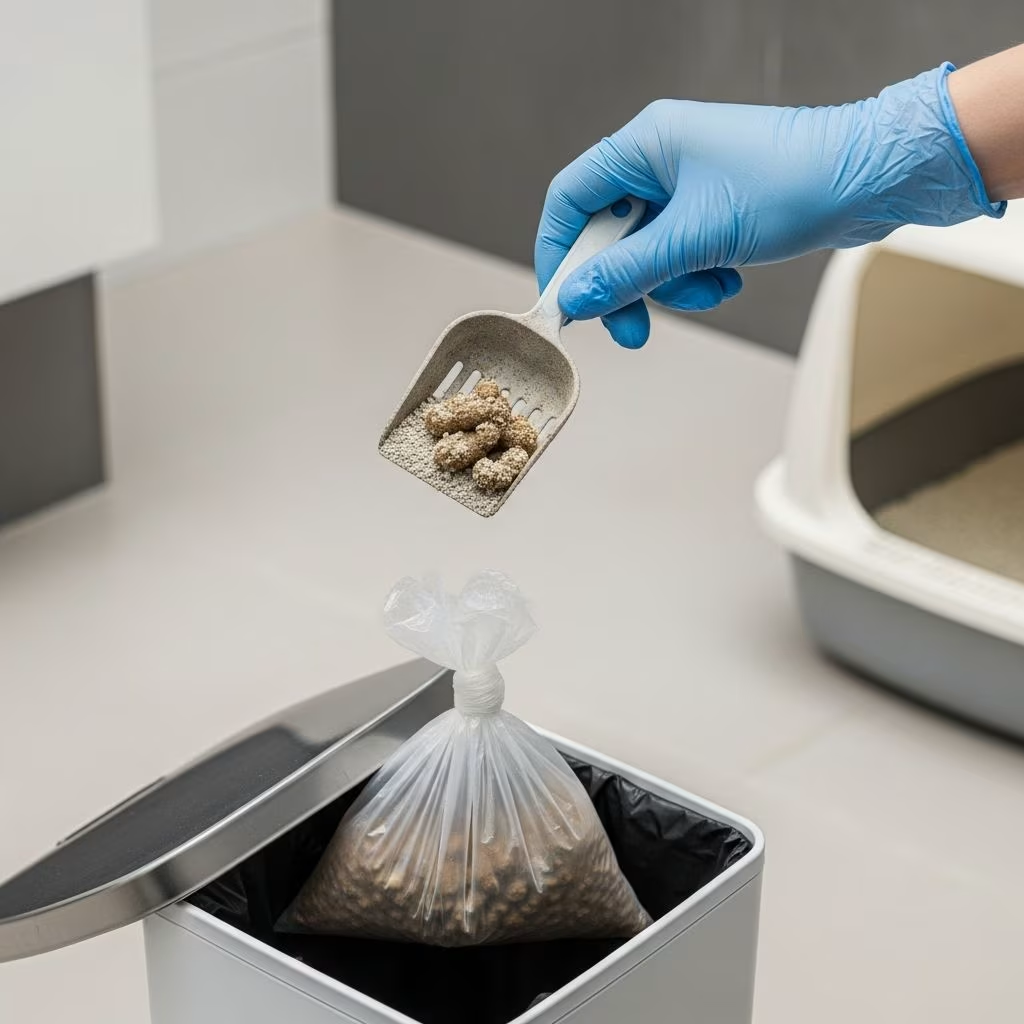
Disposing of cat poop and used litter is a daily task for cat owners that requires attention to hygiene, safety, and environmental impact. Cat feces can harbor pathogens like Toxoplasma gondii, posing risks to humans, especially pregnant individuals and those with weakened immune systems. The safest approach is to scoop daily, seal in bags, and place in outdoor trash bins. This guide covers all essential methods, precautions, and sustainable alternatives to keep your home clean and the planet healthier.
Why Proper Cat Poop Disposal Matters
Cat waste isn’t just unpleasant—it’s a potential health hazard and environmental pollutant. Each year, millions of tons of cat litter end up in landfills, contributing to waste buildup. Pathogens in feces can contaminate water if improperly discarded, harming wildlife and ecosystems. Additionally, traditional clay litters are non-biodegradable, exacerbating landfill strain. By adopting correct disposal habits, you minimize odors, reduce disease transmission, and lower your ecological footprint.
- Health risks: Toxoplasma gondii can infect humans via contact, leading to flu-like symptoms or severe issues in vulnerable groups. Always wash hands after handling.
- Environmental concerns: Dumping or flushing introduces bacteria and nutrients into waterways, causing algal blooms and fish kills.
- Odor and pest control: Prompt scooping prevents smells and attracts rodents or insects.
Safe and Standard Disposal Methods
The most reliable method for most households is bagging and trashing. This keeps waste contained and follows municipal guidelines in nearly all areas.
Step-by-Step Bagging Process
- Scoop daily: Remove clumps and solids at least once a day using a dedicated litter scoop.
- Choose the right bag: Use sturdy plastic or biodegradable bags. Double-bag for multi-cat homes or strong odors.
- Seal tightly: Push out air, tie a knot, or use drawstring bags to trap smells.
- Transfer to outdoor bin: Place in a lidded trash can away from living areas to deter animals.
- Clean up: Wash the litter box with hot water and mild detergent; avoid harsh chemicals that could harm your cat.
For odor control, tools like the Litter Genie system allow continuous disposal into a lined pail, which you empty weekly into trash. These systems use film rolls to seal waste effectively.
Can You Flush Cat Poop or Litter?
No, flushing cat poop or litter is strongly discouraged and often illegal. Cat feces may carry parasites that survive wastewater treatment and enter rivers or oceans, endangering aquatic life. Most litters, especially clay-based, expand in water, causing plumbing clogs and sewer damage. Only specific flushable litters (rare and marked as such) might be considered, but even then, check local regulations—many cities ban it. Fines can reach hundreds of dollars for violations.
- Exceptions: Dog waste (sans litter) can sometimes be flushed in small amounts, but never cat waste.
- Risks: Toxoplasma spread to wildlife; pipe bursts from swelling litter.
Composting Cat Litter and Poop
Composting is viable only with biodegradable litters in dedicated systems, not standard home compost for edibles. Pathogens require high temperatures (over 145°F) to break down safely, and cat waste must age 1-2 years before use on non-food plants.
Suitable Litters for Composting
- Paper-based or recycled newspaper: Breaks down quickly; low dust.
- Wood pellets or pine: High absorbency; natural odor control.
- Corn, wheat, or grass seed: Clumps well; compostable with eco-labels like OK Compost.
- Avoid: Clay, silica, or crystal litters—they don’t decompose and may contain toxins.
Composting Guidelines
Use a separate bin for pet waste, kept away from vegetable gardens. Layer with carbon-rich materials like leaves, turn regularly, and maintain moisture. After filling, let sit 12-18 months. Resulting compost suits flowers or shrubs only—not food crops.
| Litter Type | Compostable? | Pros | Cons |
|---|---|---|---|
| Clay | No | Cheap, clumping | Non-biodegradable, dusty |
| Pine Pellets | Yes | Absorbent, low dust | May track |
| Corn-Based | Yes | Clumps tightly | Can attract bugs if wet |
| Paper | Yes | Lightweight | Less odor control |
Can You Dump Cat Litter Outside?
Never dump cat litter outside, in woods, or storm drains. This spreads parasites into soil, where they persist for years, infecting other animals or children. Runoff carries waste to waterways, violating littering laws in most areas. Treat it as hazardous—bag it instead.
Eco-Friendly Alternatives and Tips
Switch to sustainable practices for greener disposal.
- Biodegradable bags: Plant-based options decompose faster than plastic, reducing landfill impact.
- Litter liners: Products like Petmate liners simplify cleanup.
- Reduce waste: Use larger boxes for multi-cats; scoop more frequently.
- Local rules: Check municipal guidelines—some areas offer pet waste stations or composting programs.
Health and Hygiene Best Practices
Pregnant people, immunocompromised individuals, or kids should avoid litter duty or wear gloves. Scoop with a mask if sensitive to dust. Disinfect tools weekly. If your cat shows diarrhea or worms, consult a vet before disposal—waste may be infectious.
Litter Box Maintenance Routine
A clean box encourages use and eases disposal.
- Dump all litter weekly, wash box.
- Top off fresh litter daily.
- One box per cat plus one extra.
Frequently Asked Questions (FAQs)
What is the safest way to dispose of cat poop?
Scoop into a sealed bag and place in an outdoor trash bin with a lid.
Can I flush cat litter down the toilet?
No, it risks clogs, plumbing damage, and pathogen spread. It’s often illegal.
Is composting cat poop safe?
Only with biodegradable litter in a pet-dedicated hot compost bin, aged 1+ years for non-edibles.
What litter is best for the environment?
Biodegradable options like pine, corn, or paper-based litters.
How often should I scoop the litter box?
Daily for solids and clumps to control odor and health risks.
Choosing the Right Cat Litter for Easy Disposal
Opt for litters that align with your disposal method. Biodegradable varieties like walnut shell or soybean clumping litters offer performance without environmental harm. They scoop easily and reduce overall waste volume.
In multi-cat homes, high-absorbency pellets prevent tracking and simplify cleanup. Always transition litters gradually over 1-2 weeks to avoid digestive upset.
References
- Eco-Friendly Cat Waste Management: Sustainable Disposal Tips — Petmate. 2023. https://www.petmate.com/blogs/petmate-academy/eco-friendly-cat-waste-management
- How To Dispose of Cat Litter: Safe Options for Your Home and the Environment — Chewy.com. 2024-05-15. https://www.chewy.com/education/cat/health-and-wellness/how-to-dispose-of-cat-litter
- How to Compost Cat Waste and Cat Litter | Zero Waste — Our Cosy Patch (YouTube). 2020-06-12. https://www.youtube.com/watch?v=ptYQAFLb-VM
- What to Do with Pet Waste — Seattle.gov Utilities. 2025. https://www.seattle.gov/utilities/protecting-our-environment/sustainability-tips/pollution-prevention/pet-waste



