

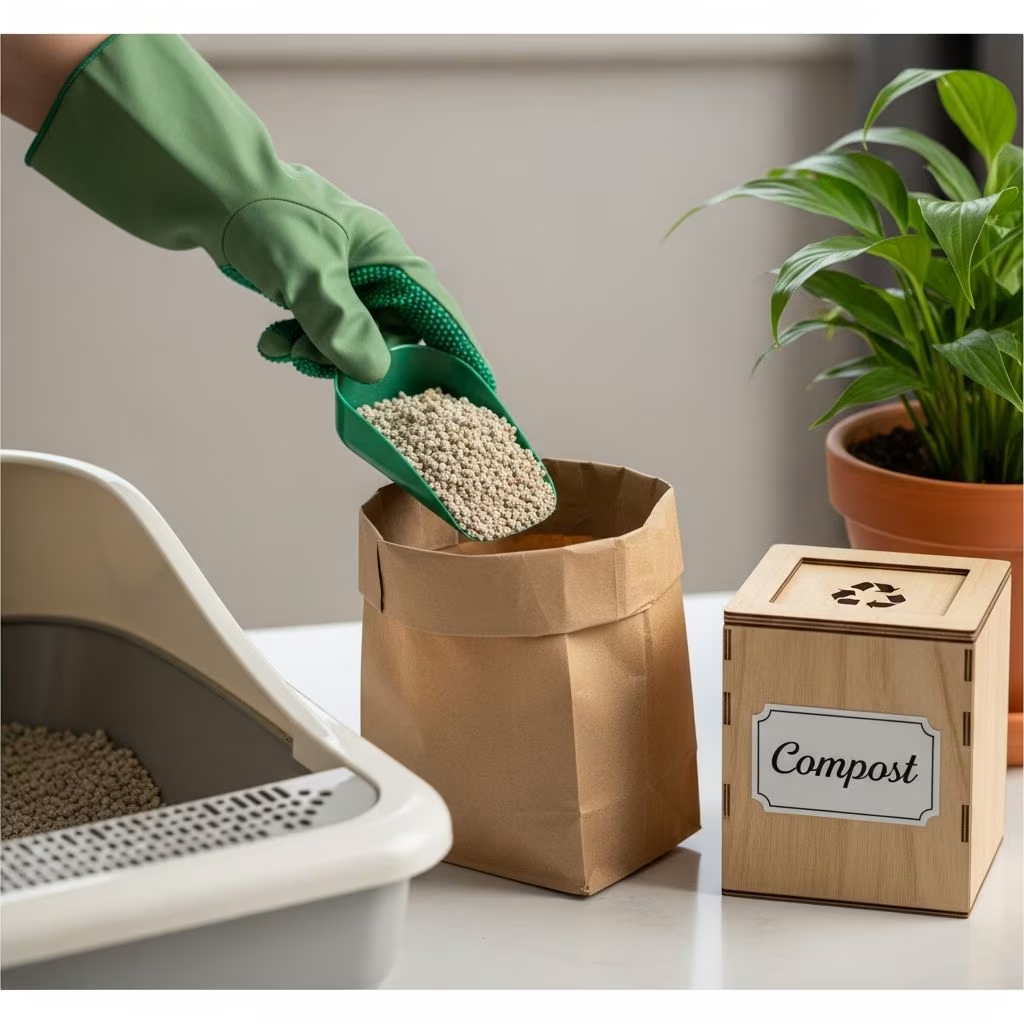
With millions of cat-owning households worldwide, the environmental impact of cat litter disposal is significant. Traditional plastic bags and non-biodegradable litters contribute to landfill waste that persists for centuries. This guide outlines six effective tips and tricks to manage cat litter sustainably, minimizing plastic use and promoting eco-friendly practices.
The Potential Dangers of Cat Litter on the Environment
Cat litter waste poses serious environmental challenges. Nearly 31.9 million U.S. households own at least one cat, generating massive amounts of litter that mostly ends up in landfills encased in non-biodegradable plastic bags. Clay-based litters, the most popular due to affordability, are mined through strip mining, which devastates habitats and renders land unusable for wildlife and plants. Silica litters, while absorbent, rely on non-renewable sand and energy-intensive production, remaining non-biodegradable.
Plastic bags from brands like Tidy Cats, Johnny Cat, and Fresh Step are not truly recyclable when contaminated with litter, exacerbating landfill overflow. Globally, pet waste including cat litter contributes to microplastic pollution and methane emissions in landfills. Switching to sustainable alternatives reduces this footprint, protecting ecosystems and future generations.
What Is Cat Litter Made Of?
Understanding litter composition is key to eco-friendly disposal. Common types include:
- Clay-based: Affordable but non-biodegradable, sourced via environmentally harmful mining.
- Silica-based: Highly absorbent crystal litters from sand; energy-heavy production and non-decomposable.
- Plant-based: Biodegradable options like corn, wheat, pine, wood pellets, cassava, sawdust, or recycled paper, suitable for flushing or composting.
Biodegradable litters break down naturally, unlike clay or silica, enabling greener disposal methods.
Are Cat Litter Bags Recyclable?
Standard plastic cat litter bags are not biodegradable or recyclable when soiled with waste. Even if bags are labeled recyclable, contamination from urine and feces renders them unsuitable for recycling facilities. Innovative alternatives like home-compostable bags made from plant-based biopolymers offer a solution, decomposing fully without chemicals or inks.
These bags block odors effectively and integrate into compost piles, where microorganisms break them down alongside compatible litter.
The 6 Tips & Tricks on How to Dispose of Cat Litter Without Plastic Bags
Here are proven strategies to eliminate plastic bags from your routine, ensuring hygienic and sustainable cat waste management.
1. Buy Flushable Litter
Opt for litters specifically designed to be flushable, made from natural materials that disintegrate in water without clogging pipes. Suitable types include:
- Corn
- Wood or pine pellets
- Wheat
- Cassava
- Sawdust
- Recycled paper
Always check manufacturer guidelines; flush small amounts per flush to avoid plumbing issues. This method diverts waste from landfills directly to treatment facilities.
2. Use a Brown Paper Bag
Brown paper bags provide a simple, plastic-free scooping solution. Double-bag to prevent leaks from moist litter, especially useful when trash cans are full to minimize odors until pickup. Readily available and fully biodegradable, they decompose quickly in landfills or compost.
3. Compost Your Cat Litter
Composting is the ultimate eco-friendly disposal for plant-based litters. Clay and silica cannot be composted due to non-biodegradability. Steps for success:
- Select 100% natural litter from grains, paper, or wood.
- Build or buy a compost bin/pile; electric composters simplify the process.
- Layer with brown materials like dry leaves, straw, or twigs.
- Top with more browns, turn every few days, keep damp.
- Decomposes in 3-6 months; use in flower beds or yards, not edibles.
This method turns waste into nutrient-rich soil while reducing landfill contributions.
4. Use Compostable Cat Litter Bags
Switch to certified compostable bags made from corn starch, PBAT, PLA, or plant biopolymers. BPA-free and compliant with standards like EN 13432, ASTM D6400, they decompose in 12 months aerobically. Odor-blocking and leak-proof, they go straight into compost piles. Brands like beyondGREEN produce these in the U.S. without inks or chemicals.
5. Disposable Litter Boxes
Eliminate scooping altogether with biodegradable disposable boxes made from recycled cardboard with moisture barriers. Products like Cat’s Desire offer packs of 15; when full, discard the entire unit—no bags needed. Ideal for single-cat homes, cost-effective for reducing plastic and simplifying cleanup. Compost or trash responsibly.
6. Biodegradable Bags
Biodegradable poop bags mimic plastic feel but decompose naturally. Earth Rated bags use 65% post-consumer recycled plastic blended for leak-proof performance, fully breaking down. Plant-based options from corn ensure home composting compatibility. A guilt-free swap for traditional plastics.
Choosing Biodegradable Cat Litter
Transitioning to eco-litters reduces strain on landfills. Key types:
| Type | Materials | Benefits |
|---|---|---|
| Corn-based (e.g., Super Benek) | Corn | Clumps well, odor control, compostable. |
| Wood pellet | Sustainable wood | High absorbency, compostable. |
| Walnut/soy/starch | Natural clumping | Easy scooping, multi-cat suitable. |
These outperform traditional litters in sustainability without sacrificing performance.
Eco-Friendly Disposal Methods
Beyond bags, consider:
- Mixed waste containers or outdoor bins per local regulations—avoid flushing non-approved litters.
- Hot water and mild detergent for box cleaning.
- Litter box liners like Petmate or PetFusion for easy, plastic-free removal.
These practices cut the 2 million tons of annual U.S. cat litter landfill waste.
Frequently Asked Questions (FAQs)
Can all cat litters be composted?
No, only 100% plant-based litters like corn, wood, or paper. Clay and silica are non-biodegradable.
Is flushable litter safe for septic systems?
Check specific products; many corn or wheat litters are septic-safe in small quantities, but test gradually.
Are biodegradable bags truly compostable at home?
Yes, certified ones like corn-based meet EN 13432 and decompose in home piles within months.
How often should I turn a cat litter compost pile?
Every few days to aerate, speeding decomposition to 3-6 months.
Can disposable litter boxes be composted?
Cardboard ones yes, if litter is compostable; otherwise, trash.
What about multi-cat households?
Wood pellets or natural clumping litters work best; disposable boxes may cost more.
References
- How to Dispose of Cat Litter Without Plastic Bags — byndgrn.com. 2023. https://byndgrn.com/blogs/news-1/how-to-dispose-of-cat-litter-without-plastic-bags
- How to Dispose of Cat Litter Without Plastic Bags — Catster. 2023. https://www.catster.com/lifestyle/how-to-dispose-of-cat-litter-without-plastic-bags/
- Eco-Friendly Cat Waste Management — Petmate Academy. 2024. https://www.petmate.com/blogs/petmate-academy/eco-friendly-cat-waste-management
- Biodegradable Cat Litter Waste Poop Bags — Eco-Leo. 2024. https://www.eco-leo.com/products/cat-litter-waste-bags
- Compostable Biodegradable Cat Litter Waste Bags — Torise Group. 2024. https://www.torisegroup.com/pid18407426/Compostable-Biodegradable-Cat-Litter-Waste-Bags-Your-Brand-Our-Expertise.htm



