

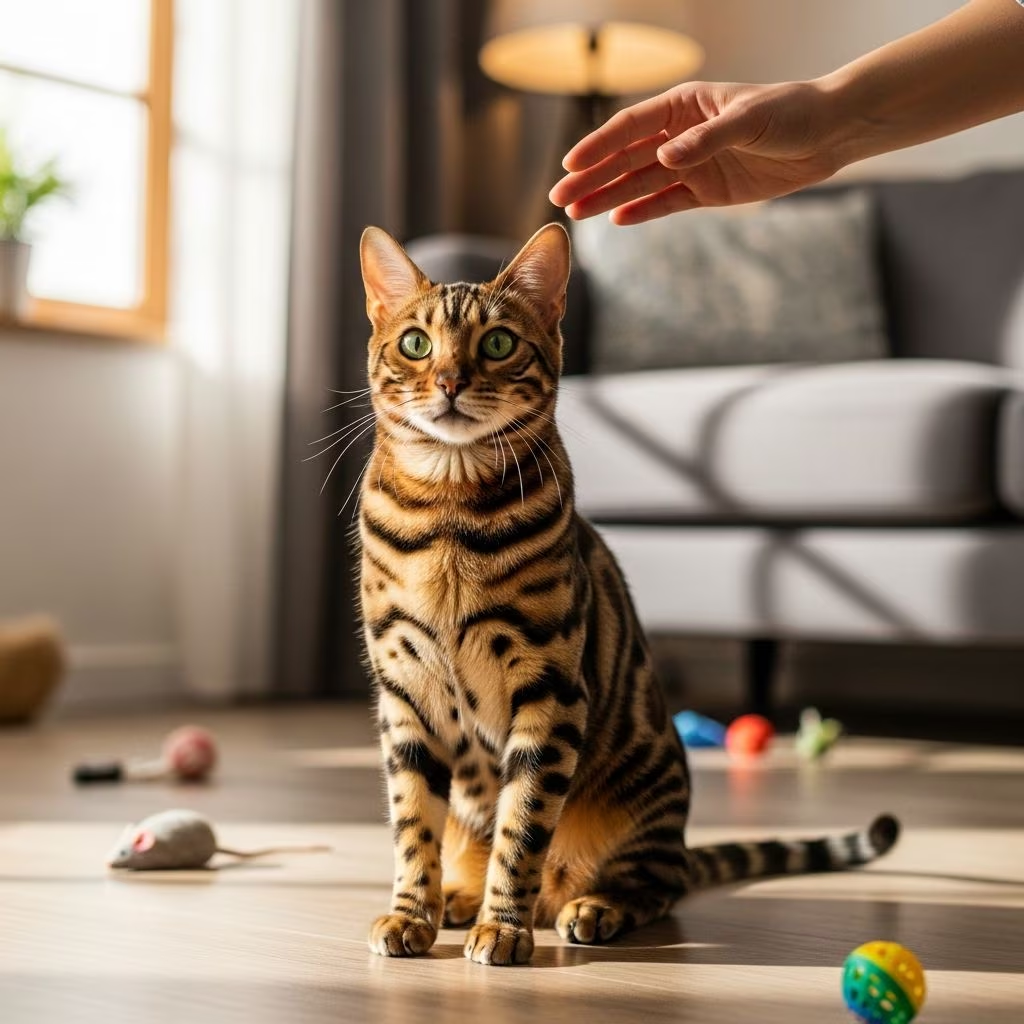
Bengal cats are renowned for their striking appearance, high intelligence, and boundless energy, but their wild ancestry can lead to challenging behaviors like counter jumping, scratching furniture, or excessive vocalization. Disciplining a Bengal requires patience, consistency, and positive methods rather than punishment, which can damage trust and increase stress. This guide outlines **6 vet-verified tips** to redirect unwanted behaviors effectively, drawing from expert training techniques like clicker training and positive reinforcement.
Understanding Bengal cats’ needs is key: they thrive on mental stimulation, physical exercise, and interactive play. Harsh discipline fails because Bengals are sensitive and quick learners who respond best to rewards. Implementing these strategies can transform mischief into manageable habits, creating a harmonious home.
1. Create a Cat-Friendly Environment
The foundation of Bengal discipline starts with prevention. Bengals explore vertically and horizontally due to their leopard-like heritage, often leading to counter surfing or furniture destruction. Design your space to meet their needs and eliminate temptations.
- Vertical spaces: Install tall cat trees, wall shelves, and window perches. Bengals love climbing; providing approved spots reduces jumping on kitchen counters.
- Scratching posts: Place sisal or cardboard scratchers near furniture. Reward use with treats to reinforce positive scratching.
- Secure counters: Use double-sided tape or citrus sprays on surfaces (non-toxic). Keep counters clear of food to avoid reinforcement of bad habits.
- Enrichment zones: Set up puzzle feeders, toy rotations, and hiding spots to satisfy curiosity without chaos.
A cat-friendly setup minimizes triggers for bad behavior. For instance, if your Bengal targets cabinets, add a dedicated ‘loot box’ with safe toys inside. Consistency here prevents 80% of issues before they start.
2. Use Positive Reinforcement
**Positive reinforcement** is the gold standard for Bengal training, rewarding desired behaviors to encourage repetition. Unlike punishment, it builds confidence and strengthens your bond.
Core principles:
- Reward immediately after good behavior with treats, praise, or play. Timing is crucial—delay confuses the cat.
- Ignore bad behavior; attention (even negative) reinforces it.
- Use high-value rewards like tuna treats for tough habits.
Example: To stop counter jumping, reward floor lounging lavishly. Over time, the cat associates calm behavior with positivity. Studies show positive methods yield faster, lasting results in felines. Bengals, being intelligent, pick this up in days.
3. Implement Clicker Training
Clicker training marks precise moments of good behavior with a distinct ‘click’ sound, followed by a treat. Bengals excel here due to their sharp minds and love for games.
Steps to start:
- Charge the clicker: Click and treat repeatedly until the cat anticipates rewards.
- Target behaviors: Click for sitting, coming when called, or using the litter box correctly.
- Shape complex tricks: Gradually build actions like ‘high-five’ or leash walking.
- Fade rewards: Reduce treats as behaviors solidify, using praise intermittently.
For discipline, click non-scratching paw touches on posts. Sessions should be 5-10 minutes, 2-3 times daily. Bengals learn commands like ‘sit’ and ‘stay’ faster than most breeds. This method curbs aggression or nipping by redirecting to tricks.
4. Redirect with Interactive Play
Bengals’ energy demands outlets; unmet, it fuels destruction. Interactive play mimics hunting, tiring them mentally and physically while teaching boundaries.
- Wand toys and lasers: 15-20 minute sessions twice daily chase instincts.
- Puzzle feeders: Dispense meals to slow eating and engage brains.
- Leash walks: Train for harness use; outdoor exploration burns energy safely.
Play before meals or bedtime prevents zoomies. Reward calm post-play behavior to link fun with relaxation. This wears out Bengals, reducing mischief by 50-70%.
5. Wear Them Out
High-energy Bengals need exhaustive exercise to prevent boredom-driven havoc. Combine play, training, and routines to exhaust them constructively.
| Activity | Duration | Benefits |
|---|---|---|
| Leash Walks | 20-30 min daily | Exploration, socialization |
| Clicker Tricks | 10 min x 3 | Mental fatigue, obedience |
| Interactive Toys | 15 min x 2 | Physical release |
| Climbing/Enrichment | Free access | Independent play |
A tired Bengal is a good Bengal. Morning leash walks followed by afternoon training preempts evening antics like drawer raiding. Track progress; adjust based on response.
6. Be Consistent and Patient
Consistency across household members is vital—mixed signals confuse Bengals. Patience accounts for their independence; progress takes weeks.
- Set rules: No table access ever.
- Daily routines: Fixed play/train times.
- Track via journal: Note triggers and successes.
- End positively: Always on a win.
If setbacks occur, revert to basics. Most Bengals show improvement in 2-4 weeks with dedication.
Frequently Asked Questions (FAQs)
Can Bengal cats be leash trained?
Yes, Bengals adapt well to harnesses with gradual introduction, treats, and clicker training for safe outdoor walks.
Why does positive reinforcement work better than yelling?
Punishment causes fear and avoidance; rewards build trust and repeat behaviors effectively.
How much play does a Bengal need daily?
At least 30-60 minutes of interactive play plus free enrichment to match their high energy.
What if my Bengal ignores training?
Shorten sessions, increase rewards, and ensure basic needs are met. Patience yields results.
Are Bengals harder to discipline than other cats?
Their smarts make them responsive, but energy requires more stimulation.
Disciplining Bengals fosters deeper bonds through understanding their wild spirit. Apply these tips consistently for a well-behaved companion.
References
- Bengal Cat Training Guide — Iconic Bengal Cat Breeders. 2023. https://iconicbengalcatbreeders.com/bengal-cat-training-guide/
- Training Techniques That Work Well For Bengal Cats — Purebred Kitties. 2024. https://purebredkitties.com/blogs/bengal-cat/training-techniques-that-work-well-for-bengal-cats
- How to Discipline a Bengal Cat: 6 Vet-Verified Tips & Tricks — Catster. 2024-10-15. https://www.catster.com/lifestyle/how-to-discipline-bengal-cat/
- How to Discipline a Cat – 7 Proven Methods — Outdoor Bengal. 2023. https://www.outdoorbengal.com/blogs/correcting-cat-behavior/how-to-discipline-a-cat
- How to Train a Bengal Cat — YouTube (Video). 2022. https://www.youtube.com/watch?v=BkPsX4TgJ1g
- Positive Reinforcement Vs. Punishment in Cat Training — YouTube (Video). 2023. https://www.youtube.com/watch?v=FHfuLt36fh4



