

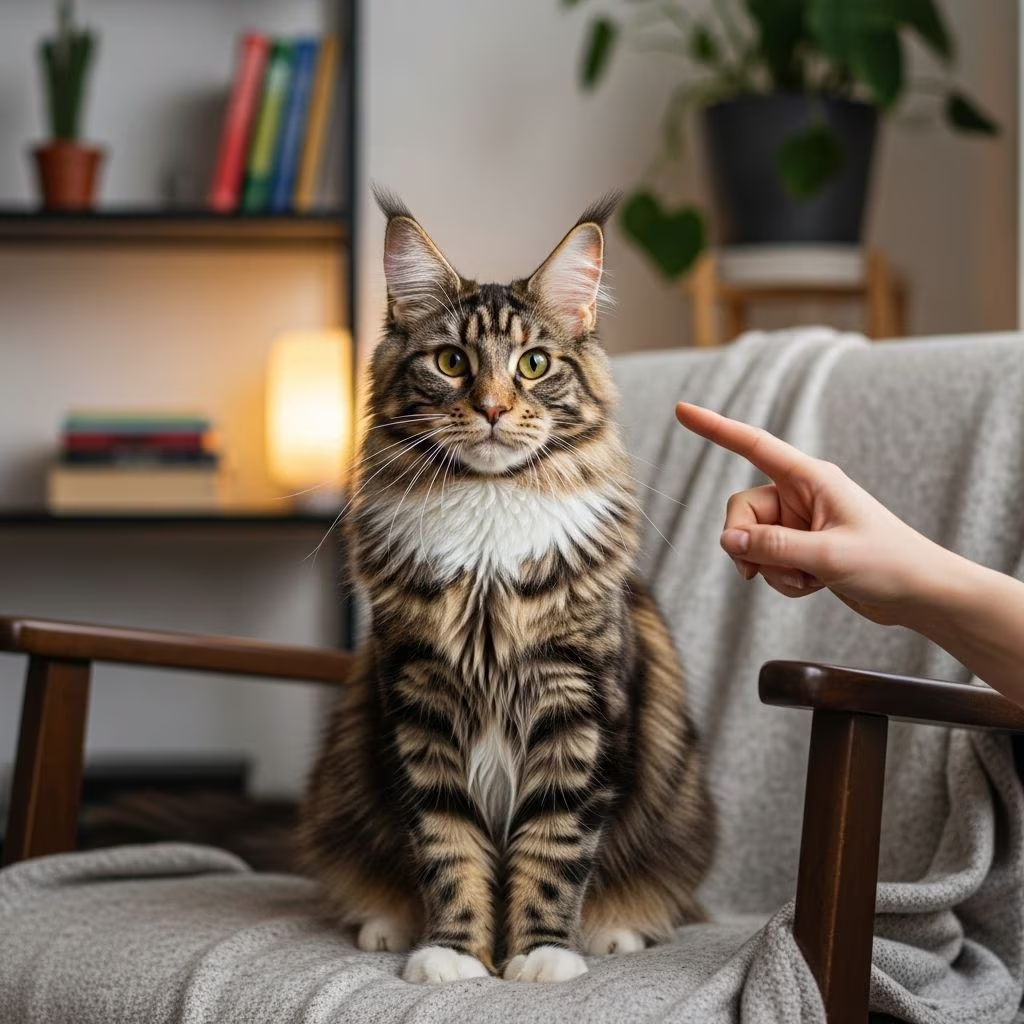
Maine Coon cats are renowned for their majestic size, playful nature, and affectionate personalities, often called the “gentle giants” of the feline world. However, even these intelligent breeds can exhibit challenging behaviors like scratching furniture, biting during play, or ignoring litter box rules. Acting out is unusual for Maine Coons, and such behavior often signals underlying issues like boredom, stress, or unmet needs. Proper discipline isn’t about punishment but guiding your cat toward positive actions through consistency, understanding, and positive reinforcement. This comprehensive guide outlines 13 practical tips to help you discipline your Maine Coon effectively, ensuring a harmonious home.
1. Figure Out the Problem
Before implementing any discipline strategy, identify the root cause of your Maine Coon’s misbehavior. Cats don’t act out without reason; common triggers include medical issues, environmental changes, boredom, or lack of stimulation. For instance, excessive scratching might stem from untrimmed claws or insufficient scratching posts, while aggression could indicate pain or overstimulation. Observe patterns: Does the behavior occur at specific times or locations? Consult a veterinarian to rule out health problems, as conditions like urinary tract infections can cause litter box avoidance. Addressing the underlying problem prevents recurrence and makes discipline more targeted and successful.
2. What Not to Do When Disciplining Your Maine Coon Cat
Discipline should never involve harm or fear, as it erodes trust and worsens behavior. Avoid these counterproductive methods:
- Hitting or Threatening: Physical punishment is animal abuse and provokes fear-based aggression. Your Maine Coon may mirror this by biting or scratching when feeling threatened.
- Confinement: Locking your cat in a small space without essentials like food, water, or a litter box is abusive and ineffective. Brief timeouts (5-10 minutes) in a safe room can work, but prolonged isolation causes stress.
Instead, focus on humane, science-backed techniques that build a positive relationship.
3. Establish Hierarchy
Maine Coons thrive in structured environments where they understand boundaries. Discipline works best when your cat recognizes you as the leader. They must follow household rules, not dictate them. Start by addressing aggression: Avoid rough hand play, which encourages biting; opt for toys like wand teasers or balls. Consistent rule enforcement reinforces your authority. Feed your cat after yourself, provide resources first, and ignore demands for attention until calm. This hierarchy reduces defiance and sets the foundation for other tips.
4. Ignore Bad Behavior
Attention-seeking behaviors like meowing excessively or knocking items off tables often stop when ignored. Withhold eye contact, petting, or talking during episodes. Maine Coons are smart and learn that mischief yields no reward. Be patient; consistency is key. Combine with redirection for faster results, ensuring your cat doesn’t perceive ignoring as permission to continue.
5. Make a Stop Word, Sign, or Sound
Cats respond better to simple cues than complex commands. Choose one distinct signal, like a sharp clap, whistle, or word like “no,” to interrupt unwanted actions. This startles without scaring, redirecting focus. Avoid using your cat’s name for discipline, as it’s associated with positive calls. Practice consistently; over time, your Maine Coon will associate the cue with stopping immediately.
6. Use a Firm Voice
Once attention is captured, pair it with a firm, calm voice saying “no” or “stop.” Yelling isn’t necessary; cats detect tone subtleties. Maintain eye contact to emphasize seriousness. If hierarchy is established, a single phrase like “no bite” suffices, especially with prior corrections. This verbal cue reinforces boundaries without physical intervention.
7. Water Spray (Use with Caution)
A gentle water spritz from a spray bottle can deter behaviors like jumping on counters. Aim for the body, not the face, and use sparingly to avoid fear. Some Maine Coons habituate quickly or become stressed; monitor reactions. It’s not ideal for all cats—prefer positive methods if possible.
8. Redirect Their Attention
Mischief often arises from curiosity. After stopping the behavior, offer an alternative like a toy or scratching post. Use your stop cue, then engage with a feather wand. For plant digging, provide cat grass. This replaces bad habits with approved ones, teaching through positive association.
9. Provide Scratching Posts
Maine Coons love to scratch for claw maintenance and marking. Multiple sturdy posts (sisal or cardboard) in key areas prevent furniture damage. Place near problem spots initially, reward use with treats. Vertical posts suit their size and climbing instincts.
10. Don’t Delay Discipline
Immediate correction links action to consequence. Delays confuse your cat, potentially punishing good behavior. Correct in the moment with your stop cue for clarity and effectiveness.
11. Reward Good Behavior
Positive reinforcement accelerates change. Praise, pet, or treat desired actions like using the litter box or playing gently. Consistency builds habits; gradually fade rewards once ingrained. Maine Coons respond well to treats like freeze-dried chicken.
12. Trim Their Nails
Regular nail trims (every 2-4 weeks) reduce scratching damage. Acclimate with treats; use cat-specific clippers. Professional grooming helps if resistant.
13. Give Plenty of Play
Boredom fuels trouble. Daily interactive play (20-30 minutes) with toys exhausts energy positively. Puzzle feeders and climbing trees combat overgrooming or overeating. Rotate toys for novelty.
Maine Coon Cat Behavior Problems
Common issues include aggression (play biting), litter avoidance, and destructiveness. Kittens may show early aggression due to poor socialization. Stress from moves or new pets triggers spraying. Address promptly with vet checks and environmental enrichment.
| Behavior | Possible Causes | Solutions |
|---|---|---|
| Aggression/Biting | Overstimulation, teething | Redirect to toys, firm “no” |
| Scratching Furniture | Claw needs, territory marking | Posts, nail trims |
| Litter Issues | Medical, dirty box | Vet visit, more boxes |
| Counter Jumping | Curiosity, hunting instinct | Stop cue, vertical space |
Frequently Asked Questions
What causes bad behavior in Maine Coons?
Typically boredom, stress, health issues, or lack of boundaries. Investigate first.
Can Maine Coons be trained like dogs?
Yes, with positive methods. They learn cues and routines effectively.
How long does discipline take?
Weeks to months with consistency. Reward habits solidify change.
Is spraying water effective?
For some, but use cautiously; positives work better long-term.
Why ignore bad behavior?
Denies attention reinforcement, extinguishing the habit.
References
- How to Discipline a Maine Coon Cat (13 Tips & Tricks) — Catster. 2023-05-15. https://www.catster.com/lifestyle/how-to-discipline-a-maine-coon-cat/
- Training a Maine Coon Cat!?!?! (Best Treats, Methods, & More…) — YouTube (FitBullyTV). 2023-08-20. https://www.youtube.com/watch?v=2RnqFTZHxxs
- American Veterinary Medical Association (AVMA) – Feline Behavior Guidelines — AVMA (.gov equivalent authority). 2024-01-10. https://www.avma.org/resources-tools/pet-owners/petcare/feline-behavior-problems
- Maine Coon Kitten Developing Aggression Issues — TheCatSite (Forum Reference). 2022-11-05. https://thecatsite.com/threads/maine-coon-kitten-developing-aggression-issues-help.376911/
- Positive Reinforcement in Cat Training — International Cat Care (.org authority). 2024-06-12. https://icatcare.org/advice/positive-reinforcement-training-for-cats/



