

How to Detect Flea Infestation in Dogs: Complete Guide
Flea infestations are one of the most common parasitic problems dog owners face, and early detection is crucial for your pet’s health and comfort. While fleas may seem like a minor nuisance, they can quickly multiply and cause serious health issues for your dog, including anemia, skin infections, and the transmission of tapeworms. Understanding how to detect flea infestation early can help you address the problem before it becomes severe. Today, your dog may be flea-free, but tomorrow they might not be, which is why it’s important to remain vigilant and know what signs to look for.
Understanding Flea Behavior and Distribution
Before you can effectively detect a flea infestation, it’s important to understand where fleas tend to congregate on your dog’s body. Fleas have preferred areas where they nest and feed, and these locations are typically the first places you should check. In dogs, fleas tend to gravitate toward the rump and tail area, making the base of the tail, lower back, and hips prime real estate for these parasites. They also commonly infest the neck area, underside of the legs, and the groin region. By knowing these hotspots, you can conduct more effective checks of your dog’s body.
Behavioral Changes and Signs of Discomfort
One of the earliest and most noticeable signs that your dog may have fleas is a change in their behavior and activity level. Observing your pet’s actions throughout the day can provide valuable clues about their overall health and comfort.
Intense and Frantic Scratching or Biting
The most obvious sign of a flea infestation is excessive scratching and biting. Flea bites can cause your dog’s skin to feel extremely itchy, which can be downright miserable for your pup. One of the primary symptoms of fleas on dogs is if your dog suddenly starts scratching their body with their paws or chewing their skin in an attempt to find relief. They may even keep you up at night with ceaseless scratching and chewing. This scratching can range from occasional to frantic, and in severe cases, your dog may focus their scratching on specific areas of their body, particularly around the base of the tail, neck, and underside of the legs.
Excessive Grooming and Hair Loss
In addition to scratching, dogs with fleas often engage in excessive grooming behaviors. Your dog may lick or chew at their fur more than usual in an attempt to ease the itching caused by flea bites. This constant self-grooming and scratching leads to hair loss, which can be one of the most visible signs of a flea problem. Over time, you may notice patches of missing fur, particularly in areas where your dog frequently scratches, such as the lower back, base of the tail, and hind legs. The hair loss typically starts in the areas most heavily affected by the infestation.
Agitation, Edginess, and Restlessness
Fleas cause more than just physical discomfort; they can significantly affect your dog’s mental state and overall demeanor. Dogs suffering from flea infestations often exhibit signs of agitation and restlessness. You may notice your dog frequently pacing, whining, or refusing to settle in their usual favorite spots. Some dogs become noticeably edgy and anxious, unable to relax or find a comfortable position. This behavior is your dog’s way of expressing their discomfort and trying to escape the persistent itching sensation caused by the fleas.
Physical Skin Changes and Conditions
Beyond behavioral changes, flea infestations manifest in visible physical changes to your dog’s skin and coat. These dermatological signs can range from mild irritation to severe skin infections.
Hot Spots
Some dogs are exceptionally sensitive to flea saliva, a condition called flea allergy dermatitis (FAD). When a flea bites these sensitive dogs, their skin becomes extremely itchy and inflamed. They may develop red, raw, and inflamed spots on their skin, commonly referred to as “hot spots.” These hot spots usually appear on the neck, flanks, or around the base of your dog’s tail and are intensely itchy. If your dog starts chewing on these hot spots, they can begin to ooze and become infected. In these cases, dogs are typically treated simultaneously for skin infections, skin allergies, and fleas to address all aspects of the problem.
Red Bumps and Scabs
Flea bites can lead to visible red bumps and pimples on your dog’s skin. These may appear on the belly, at the base of the tail, behind the legs, in the groin area, or under the legs. The constant itching and scratching of these areas will cause dry skin, further irritation, and potential scarring. If left untreated, these lesions can develop into skin infections and lead to more severe diseases.
Darkened and Thickened Skin
In cases of chronic flea infestation, you may notice that your dog’s skin becomes thickened, darkened, or takes on a leathery appearance in heavily affected areas. This occurs due to prolonged irritation, scratching, and inflammation. The skin may also appear crusted or flaky, particularly in areas including the base of the tail, over the hips, and the thighs.
Visual Indicators of Flea Presence
Sometimes, you don’t need to rely solely on behavioral and physical symptoms to detect fleas. In many cases, you can actually see evidence of the infestation directly on your dog’s body.
Tiny, Reddish-Brown Insects
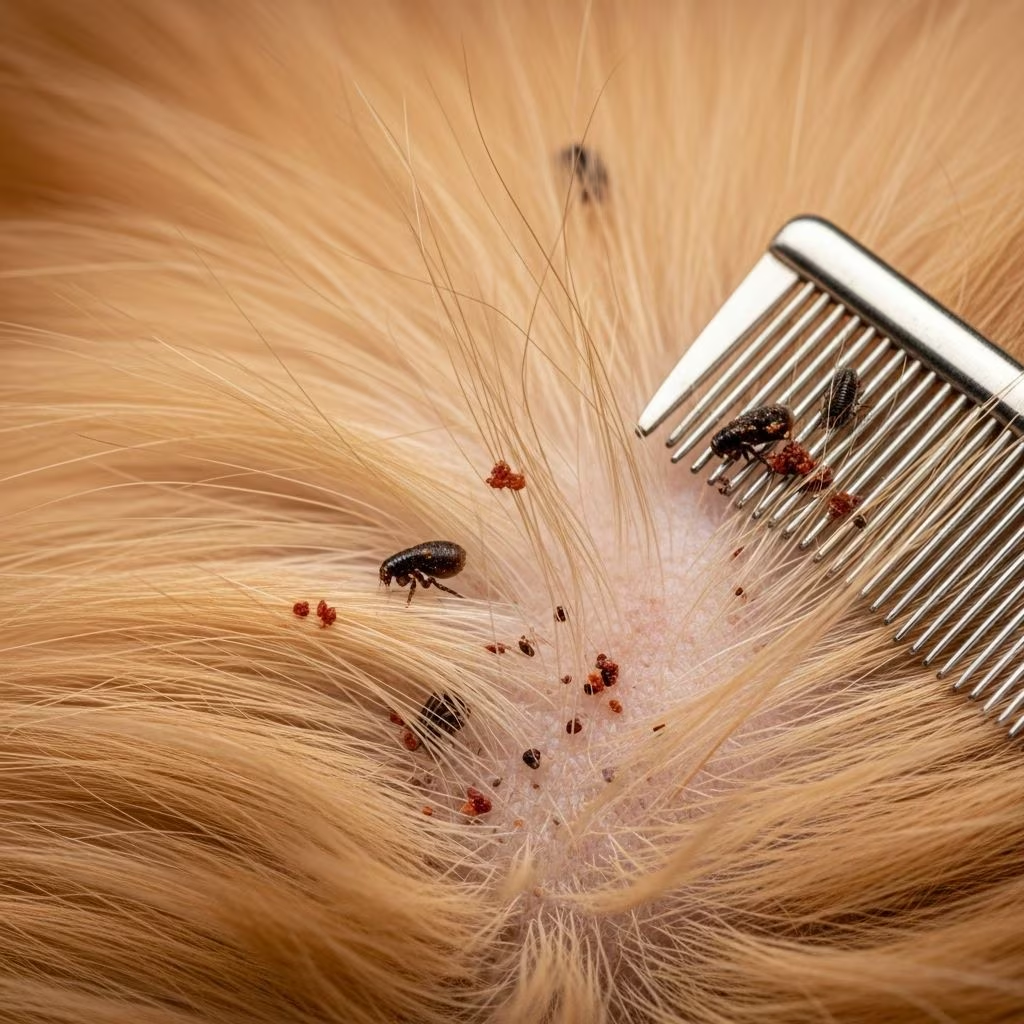
Adult fleas are small enough to see with the naked eye, appearing as tiny, reddish-brown insects. They have six legs and are roughly the size of a grain of rice. In cases of heavy infestation, there’s a good chance you’ll spot the fleas easily while examining your dog’s fur. You may even be able to see flea eggs, though these are somewhat harder to make out. To check for adult fleas, carefully part your dog’s fur and look closely at the skin, particularly in the areas where fleas tend to congregate such as the rump and tail area. You might observe the fleas moving quickly through the fur or jumping away.
Flea Dirt (Flea Feces)
One of the most reliable signs of a flea infestation is the presence of “flea dirt,” which consists of tiny, pepper-like black or dark brown specks in your dog’s fur. These dark specks are actually flea feces composed of digested blood. One helpful trick to determine whether the brown flecks are indeed flea poop is to place some of these granules on a paper towel and mist them with water. If they turn red, it’s flea feces, confirming the presence of fleas. To check for flea dirt, use a fine-tooth flea comb and comb through your dog’s fur, particularly in areas prone to flea infestation. By standing your dog on a white towel or cloth while brushing them, you will be able to easily see any black droppings that fall from their fur. Additionally, you can walk around your carpets in tall white socks for a few minutes, shuffling your feet on all carpeted floors. If there are flea eggs, flea droppings, or flea feces in your carpet, small black dots or dark specks will appear on your socks.
Severe Infestation Symptoms
While mild flea infestations may cause only localized itching and mild discomfort, severe infestations can lead to serious health complications.
Anemia and Associated Symptoms
In cases of severe flea infestation, particularly in young, elderly, or small dogs, the parasites can consume enough blood to cause anemia. Signs of anemia include pale gums, lethargy, weakness, and a general lack of energy. Your dog may seem unusually tired and reluctant to engage in normal activities. Additionally, you may notice weight loss as your dog’s body struggles to cope with the blood loss and the stress of the infestation.
Secondary Infections
Constant scratching and biting can break the skin barrier, creating openings for bacterial infections. These secondary skin infections can lead to additional complications, including pyoderma (bacterial skin infection) and other dermatological issues that require veterinary treatment beyond simple flea removal.
Diagnostic Methods Used by Veterinarians
While you can conduct preliminary checks at home, a veterinarian can provide a more thorough examination and professional diagnosis.
Visual Examination
The diagnosis of a flea infestation is usually visual. If your pet is itching or scratching and looking generally uncomfortable, your veterinarian will check certain areas of the body for fleas. The base of the neck and tail and the insides of the hindlimbs are good places to start. Your veterinarian can provide a closer look for flea bites and any skin irritation resulting from the infestation.
Flea Comb Examination
Veterinarians often use a specialized flea comb to check for flea dirt and potentially living fleas. The fine teeth of the comb are designed to catch fleas and debris as they’re drawn through the fur. The combed material is then examined under magnification to confirm the presence of fleas, flea eggs, or flea dirt.
Key Differences Between Fleas and Other Parasites
It’s important to distinguish between flea infestations and other parasitic conditions, as treatment approaches differ significantly. Signs of fleas include itching, scratching, hair loss, and red and raw hot spots around the lower back or base of the tail. You may also notice flea dirt and see the actual fleas themselves. Adult fleas have six legs and jump long distances. In contrast, tick infestations present different symptoms and visual indicators, requiring different treatment protocols.
Frequently Asked Questions About Flea Detection
Q: How often should I check my dog for fleas?
A: During flea season (typically warmer months), you should check your dog weekly. Year-round, conduct monthly checks, and always perform a flea check if you notice any scratching or behavioral changes.
Q: Can I see fleas without a magnifying glass?
A: Yes, adult fleas are visible to the naked eye, though they’re small. They typically appear as tiny, reddish-brown insects about the size of a grain of rice. In heavy infestations, they’re easier to spot.
Q: What should I do if I find fleas on my dog?
A: Contact your veterinarian immediately for professional diagnosis and treatment recommendations. You’ll need to treat both your dog and your home simultaneously to prevent reinfestation.
Q: How long does it take to detect a flea infestation after exposure?
A: Fleas can begin reproducing within 24-48 hours of arriving on your dog. Symptoms and signs may appear within a few days to a week, depending on your dog’s sensitivity and the number of fleas.
Q: Can indoor dogs get fleas?
A: Yes, indoor dogs can get fleas. Fleas can be brought inside on clothing, shoes, other pets, or wildlife. Indoor dogs should be checked regularly regardless of their living situation.
Prevention and Early Detection Strategy
The best approach to managing flea infestations is prevention combined with early detection. Establish a routine of regularly inspecting your dog’s skin and coat, particularly during warmer months when fleas are most active. Use preventative flea treatments as recommended by your veterinarian, maintain a clean living environment, and stay alert to any changes in your dog’s behavior or physical condition. Early detection of fleas can prevent a minor problem from becoming a major infestation requiring extensive treatment of both your pet and your home. Getting rid of fleas requires treating both your dog and your home at the same time to prevent reinfestation, making early detection your first line of defense.
References
- Flea Infestation in Dogs: Signs, Symptoms, and Treatment — Small Door Veterinary. 2024. https://www.smalldoorvet.com/learning-center/medical/flea-infestation-dogs
- 9 Telltale Signs of Fleas in Dogs — Chewy Education. 2024. https://www.chewy.com/education/dog/flea-and-tick/signs-of-fleas-on-dogs
- How to Detect Signs of a Flea Infestation — Orkin Pest Control. 2024. https://www.orkin.com/pests/fleas/how-to-detect-signs-of-a-flea-infestation
- What Do Fleas Look Like on Dogs? — PetMD. 2024. https://www.petmd.com/dog/what-do-fleas-look-dogs
- How to Tell How Bad a Flea Infestation Is — Pet-Friendly Box. 2024. https://petfriendlybox.com/resource-center/how-to-tell-how-bad-a-flea-infestation-is



