

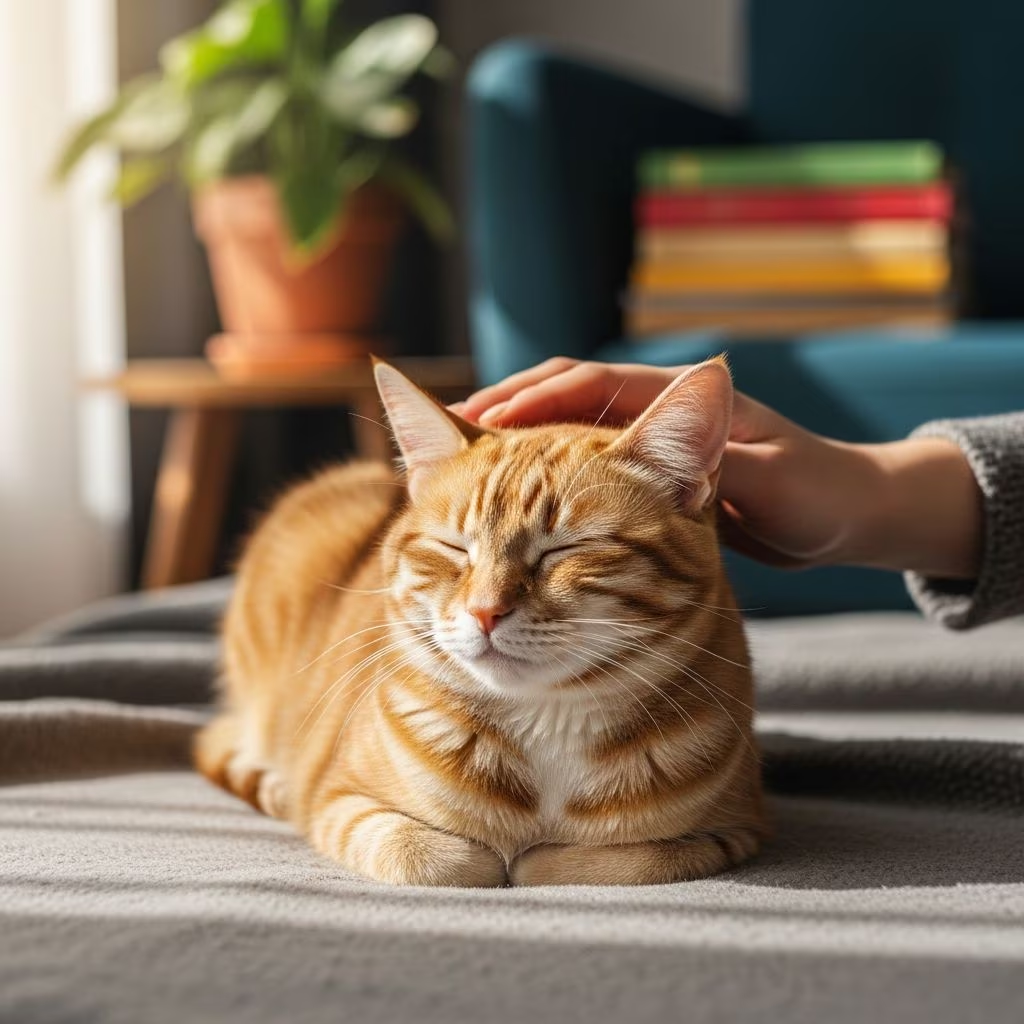
Cats are masters of masking their emotions, but stress can manifest in subtle yet telling ways, affecting their health and happiness. Recognizing signs like hiding, excessive grooming, or aggression is the first step. This guide outlines 11 veterinarian-approved strategies to help your cat relax, drawn from expert insights on feline behavior and welfare.
Signs Your Cat Is Stressed
Stressed cats often exhibit changes in behavior. Common indicators include:
- Hiding or avoidance: Seeking solitude in unusual places.
- Excessive vocalization: Meowing or yowling more than usual.
- Grooming changes: Over-grooming leading to bald patches or neglect.
- Aggression or irritability: Swatting or biting without provocation.
- Appetite shifts: Eating too much or too little.
- Litter box issues: Avoiding the box or inappropriate elimination.
These signs can stem from environmental changes, health issues, or social stressors. Consulting a vet rules out medical causes before addressing behavioral ones.
11 Ways to Destress Your Cat
1. Create a Safe Space
Designate a quiet area with familiar bedding, toys, and hiding spots. This ‘cat cave’ provides security during stressful events like moves or visitors. Use cardboard boxes or commercial cat tents lined with your cat’s scent for comfort.
2. Use Pheromone Products
Synthetic pheromones mimic calming facial scents cats deposit when relaxed. Plug-in diffusers like Feliway release these continuously, reducing anxiety in multi-cat homes or new environments. Wiping a cloth on your cat’s cheeks and rubbing it on surfaces spreads their scent effectively.
3. Maintain a Consistent Routine
Cats thrive on predictability. Feed, play, and sleep at fixed times to minimize uncertainty. Sudden changes amplify stress, so introduce alterations gradually.
4. Provide Environmental Enrichment
‘Catify’ your home with vertical spaces like shelves, window perches, and scratching posts. These allow territorial marking and exploration, reducing frustration. Rotate toys to keep stimulation fresh.
5. Increase Playtime
Daily interactive play mimics hunting, burning energy and boosting endorphins. Use wand toys or laser pointers for 15-20 minutes twice daily. This strengthens your bond and distracts from stressors.
6. Try Calming Supplements
Vet-recommended supplements like L-theanine, chamomile, or CBD oil can ease mild anxiety. Zylkene, a milk protein derivative, promotes relaxation without drowsiness. Always consult your vet for dosing.
7. Use Calming Music or White Noise
Species-specific music with purring frequencies or classical tunes lowers heart rates. Apps and playlists designed for cats reduce stress during vet visits or fireworks. Play at moderate volumes.
8. Consider Dietary Changes
Foods fortified with tryptophan (an amino acid aiding serotonin production) or hydrolyzed proteins support calm behavior. Prescription diets for stress-related issues like idiopathic cystitis exist; discuss with your vet.
9. Separate During High-Stress Events
If introducing new pets or hosting guests, isolate your cat initially. Gradual supervised introductions prevent territorial conflicts. For moves, confine to one room during unloading.
10. Routine Interaction and Bonding
Gentle petting in preferred areas (cheeks, chin) releases oxytocin in both you and your cat. Avoid forcing affection; let them initiate. Consistent positive interactions build trust.
11. Leave Them Be When Needed
Sometimes, space is best. Overhandling stressed cats worsens anxiety. Respect body language like flattened ears or tail swishing, giving time to self-soothe.
Why Do Cats Get Stressed?
Cats stress from changes in routine, loud noises, new pets/humans, vet visits, or illness. Territorial instincts make them sensitive to disruptions. Multi-cat households see competition for resources; seniors or kittens are particularly vulnerable.
How Do Cats Show Stress?
Beyond behavioral signs, watch for physiological cues: dilated pupils, raised fur, crouched posture, or excessive panting. Chronic stress leads to conditions like urinary issues or dermatitis. Early intervention prevents health decline.
Table: Stress Signs vs. Normal Behavior
| Stress Sign | Normal Behavior | Action |
|---|---|---|
| Hiding frequently | Occasional naps in safe spots | Create more hiding options |
| Over-grooming | Regular self-cleaning | Check for fleas, use pheromones |
| Aggression | Playful swats | Separate, increase play |
| Litter avoidance | Consistent box use | Clean daily, add boxes |
| Appetite loss | Steady eating | Vet check, calming diet |
Frequently Asked Questions (FAQs)
What are quick ways to destress my cat?
Offer a safe space, pheromone diffuser, and short play sessions. Avoid forcing interaction.
Do pheromone diffusers really work?
Yes, clinical studies show they reduce stress signs in 70-90% of cats.
Can diet help with cat stress?
Foods with calming nutrients like tryptophan support relaxation; vet approval needed.
How long does it take for a cat to destress after a move?
Typically 1-2 weeks with scent familiarization and routine.
Is cat stress dangerous?
Chronic stress weakens immunity, causing cystitis or GI issues. Address promptly.
Final Thoughts on Destressing Cats
Destressing your cat requires patience and observation. Combine multiple tips for best results, and seek vet advice for persistent issues. A relaxed cat leads to a harmonious home.
References
- 7 Ways to Help a Cat With Stress: A Vet-Verified Guide — Catster. 2023. https://www.catster.com/cat-health-care/ways-to-help-a-cat-with-stress/
- Mr. Anxiety or: How I Learned to Stop Worrying and Trust the Cat — Catster. 2023. https://www.catster.com/felines-weekly/mr-anxiety-learning-to-trust-the-cat/
- Do Cats Help With Anxiety & Depression? Benefits & Considerations — Catster. 2023. https://www.catster.com/lifestyle/do-cats-help-with-anxiety-and-depression/



