

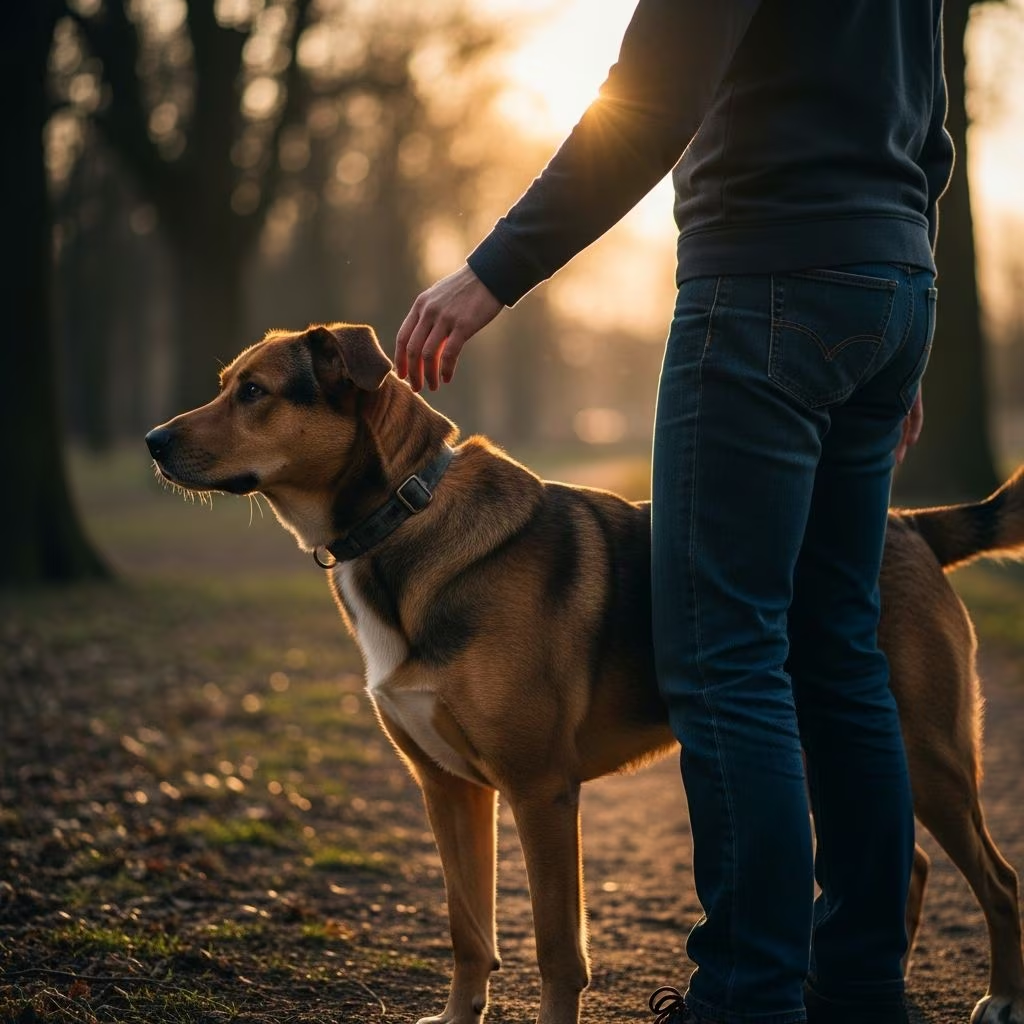
Dogs rely on their owners to speak up for them in public spaces where encounters with unfamiliar dogs, people, or environments can quickly escalate. Advocating for your dog not only protects their well-being but also fosters trust in your bond while keeping everyone around safe. This guide provides expert-backed strategies for reading your dog’s signals, communicating effectively, and prioritising safety.
Why Advocating for Your Dog Matters
Dogs cannot verbally express discomfort, fear, or boundaries, making it your responsibility to interpret their body language and intervene promptly. Whether facing an enthusiastic off-lead dog charging towards you or a pushy stranger wanting to pet your pup, proactive defence prevents stress, potential bites, or fights.
Key benefits include:
- Strengthens your relationship: Observing and responding to your dog’s cues builds mutual trust, showing them you have their back.
- Enhances safety for all: Even friendly dogs have limits; recognising yours prevents escalation that could harm your dog, others, or bystanders. According to the American Veterinary Medical Association, early intervention in tense encounters reduces bite incidents significantly.
- Promotes responsible ownership: Setting boundaries educates others on respectful interactions, contributing to safer community spaces.
Research from peer-reviewed studies highlights that dogs with owners who actively manage interactions exhibit lower stress levels and better obedience.
Understanding Your Dog’s Body Language
Before defending your dog, master reading their signals. Subtle cues like lip licking, yawning, averted gaze, or tucked tail indicate discomfort long before barking or lunging occurs.
| Calm/Relaxed Signals | Stress/Anxiety Signals | Defensive/Aggressive Signals |
|---|---|---|
| Loose body, open mouth, relaxed ears | Lip lick, yawn, whale eye (whites showing) | Stiff posture, growling, raised hackles |
| Wagging tail mid-height | Tail tucked or rigid high wag | Snarling, lunging, biting attempts |
Practice in low-stakes settings: During walks, note when your dog tenses near triggers like other dogs or traffic. Apps and videos from certified trainers can refine your skills. Misinterpreting signals as ‘aggression’ rather than fear leads to shame and ineffective responses. Focus on underlying emotions for better outcomes.
Verbal Communication: Phrases to Have Ready
In the moment, clear, calm phrases prevent escalation without confrontation. Preparation avoids tongue-tied freeze-ups.
- “Please put your dog on a lead.” Direct and specific, it addresses the issue without blame.
- “My dog is reactive to pressure from other dogs.” Honest explanation frames your action as protective for both pups.
- “No petting, please—he’s shy.” Polite boundary for strangers, redirecting attention.
- “Recall your dog now.” Firm for imminent threats, prioritising safety.
Expert Rachel from Kinship notes challenges in educating others mid-conflict: Overwhelm hinders clarity, and shaming provokes defensiveness. Instead, use community forums or flyers for broader awareness on lead etiquette.
Physical Communication: Act Swiftly Without Words
Sometimes silence speaks loudest. Physical actions de-escalate faster than debate.
- Spot an off-lead dog bolting? Turn and walk briskly away, creating distance.
- Block approaches with your body, using a wide stance as a barrier.
- Leash up tight and step between your dog and the threat.
This non-confrontational method works universally, even if verbal cues fail due to language barriers or hearing issues. Rachel emphasises: “Swiftly leaving disengages potential conflicts effectively”. Pair with treats or toys to refocus your dog positively.
Handling the Dreaded “They’re Friendly!” Shout
That familiar park cry often precedes disaster. ‘Friendly’ dogs may overwhelm reactives through sheer enthusiasm. Respond immediately:
- Acknowledge: “Thanks, but we’re working on social skills—please recall.”
- Physically retreat: Don’t wait for compliance.
- Report repeat offenders to park authorities if needed.
Statistics show 86% of dogs face separation or reactivity issues, amplifying public risks. Trust your instincts over assurances.
When Safety Comes First: Prioritise Personal Protection
Not all advocacy is safe. Marginalised guardians may face backlash from confrontations. Rachel warns: “In some situations, advocating verbally can be unsafe—prioritise getting away”. Focus on decompression post-incident: Quiet space, gentle pets, and pheromone collars aid recovery.
Government guidelines from the CDC stress de-escalation to avoid human-dog bites. If threats persist, note details for authorities without engaging.
Practise Self-Compassion as a Dog Parent
Incidents happen fast; not every response is perfect. Reactive behaviours stem from stress, not poor parenting. Reframe: Each event teaches better prevention.
- Journal triggers and responses for patterns.
- Seek trainers for custom plans.
- Celebrate small wins like quick exits.
Self-kindness sustains long-term success. Studies link owner confidence to improved dog behaviour.
Building Long-Term Confidence and Boundaries
Beyond reactions, proactive training fortifies defence:
- Desensitisation: Gradual exposure to triggers at distance, rewarding calm.
- Recall mastery: Reliable ‘come’ on long line prevents escapes.
- Socialisation windows: Controlled puppy playdates shape positive associations.
Avoid mislabelling like ‘aggressive’—it hinders solutions. Consult vets to rule out pain fuelling reactivity.
Frequently Asked Questions (FAQs)
What if my dog is off-lead and another approaches?
Recall immediately with high-value treats. If impossible, body block and leash up. Prevention via secure areas is best.
Is it rude to ask others to leash their dog?
No—it’s responsible. Many parks require control; safety trumps politeness.
How do I handle strangers ignoring ‘no pet’ signs?
Firm repeat: “Please don’t pet.” Walk away if needed. Train ‘leave it’ cues.
My dog is ‘protective’—is that good?
Often it’s fear or possession, not protection. Professional assessment clarifies.
What tools aid defence?
Short sturdy leash, deterrent spray (pet-safe), air horn for distance. Always check local laws.
Conclusion: Empower Your Advocacy
Defending your dog transforms walks into confident adventures. Consistent boundaries, clear communication, and self-awareness create safer spaces. You’re your dog’s voice—use it wisely.
References
- The role of dogs is associated with owner management practices — PMC/NCBI. 2024-10-15. https://pmc.ncbi.nlm.nih.gov/articles/PMC11557872/
- Here’s Why You Shouldn’t Label Your Dog’s Behavior — Kinship. 2023-05-12. https://www.kinship.com/dog-behavior/dog-behavior-beware-simple-names-complex-problems
- Dog Advocacy — Kinship. 2024-11-01. https://www.kinship.com/dog-lifestyle/animal-advocacy
- How to Defend Your Dog and Set Boundaries in Public — Kinship UK. 2024-08-20. https://www.kinship.com/uk/dog-behaviour/how-to-defend-your-dog
- A New Study Says 99% of Dogs Have Behavior Issues — Kinship. 2024-03-10. https://www.kinship.com/news/dogs-behavior-issues-study



