

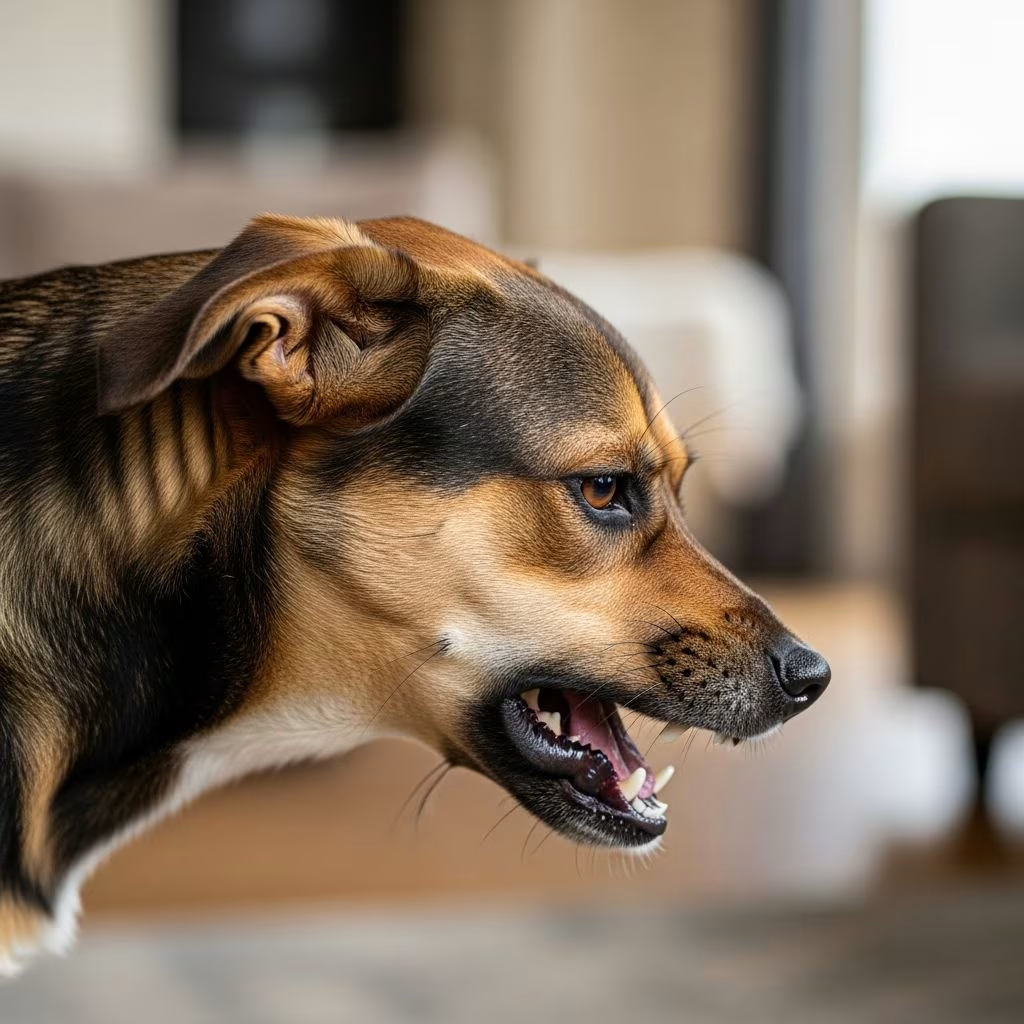
Dog growling is a common form of canine communication that many pet owners find confusing or concerning. However, understanding what your dog’s growls mean can significantly improve your relationship with your furry companion and help you respond appropriately to their needs. Rather than viewing growling as purely aggressive behavior, it’s important to recognize that growling is your dog’s way of communicating their emotional state, whether they’re feeling threatened, uncomfortable, excited, or content.
When your dog growls, they’re expressing their emotions through vocalization. Research has shown that people can distinguish between different types of dog growls and understand what dogs are feeling based on the characteristics of their vocalizations. The key to becoming fluent in your dog’s language is learning to decode these sounds and pair them with visual cues from body language.
Understanding Dog Growls as Communication
Growling is not inherently a sign of aggression. Instead, growling is a dog’s way of avoiding aggression. When your dog growls, they’re essentially providing you with an audible warning signal that they’re uncomfortable, stressed, or need space. This warning system is incredibly valuable because it gives you an opportunity to address the situation before it escalates into more serious behavior like snapping or biting.
Many dog behaviorists view growling as a gift. A dog who growls is communicating their boundaries and discomfort, which allows you to adjust your behavior accordingly. If your dog stops growling and proceeds directly to snapping or biting, you’ve lost that crucial warning signal.
The characteristics of a growl can reveal important information about your dog’s emotional state. Research shows that the time between growls, the duration of growls, and the pitch all communicate different messages:
- Longer gaps between growls are associated with higher aggression scores
- Shorter growls are generally perceived as more positive on emotional scales
- Higher pitch in growls recorded when strangers approach is associated with higher fearfulness scores
Recognizing Different Types of Growls
Not all growls are created equal. Understanding the context and characteristics of different growls will help you interpret what your dog is truly feeling. Here are some of the most common types of growls you may encounter:
Resource Guarding Growls
Resource guarding is a natural canine behavior where dogs become protective of items they value. If your dog growls when you approach them while they’re eating dinner or playing with their favorite toy, they may be expressing resource guarding behavior. This growl is essentially a warning that says, “This is mine, and I don’t want you to take it.” While this is instinctive dog behavior, resource guarding can escalate if not properly addressed through positive reinforcement training.
Fear-Based Growls
Fear is a common trigger for growling in dogs. When dogs are nervous, scared, or feeling threatened, they may growl to express their unease. This is particularly common in rescue dogs or adopted dogs who may have had negative experiences. Fearful growls typically come with other physical indicators including:
- Wide eyes
- Raised hackles
- Tucked tail
- Tense body posture
- Ears pinned back
If you suspect fear is behind your dog’s growling, approach them calmly and slowly, allowing them to get comfortable with your presence before attempting to pet them.
Overstimulation Growls
Dogs, particularly high-energy breeds like Border Collies, Australian Shepherds, and Jack Russell Terriers, may growl when they’re overstimulated. This type of growl often occurs after extended play sessions when your dog is trying to wind down. The growl essentially means “I need a break.” Respecting this communication and giving your dog space to rest is crucial for maintaining a healthy relationship.
Territorial Growls
Some dogs exhibit territorial growling when they’re protecting their space, whether that’s their car, your home, your property, or even your belongings. This behavior stems from a dog’s instinctual need to defend their den. If a dog believes they’re in charge of the household, they may constantly patrol and growl, always remaining on edge. Understanding and managing territorial growling involves recognizing your dog’s perception of their role in the household.
Pleasure or Contentment Growls
Not all growls indicate distress. Some dogs actually growl when they’re happy, content, or enjoying positive interaction. A relaxed dog with loose body language may growl out of pleasure. These growls typically have shorter duration and are accompanied by a wagging tail, soft eyes, and relaxed posture.
Reading Your Dog’s Body Language
To accurately decode what your dog’s growl means, you must pay close attention to their overall body language. The difference between a growl expressing contentment and one expressing fear or aggression lies in the dog’s physical posture and facial expression.
Signs of a Relaxed, Happy Dog
- Soft, relaxed facial expression
- Wagging tail held at medium height
- Loose, natural body posture
- Ears in natural position
- Play bowing or playful movements
- Open mouth with tongue visible
Signs of a Tense, Uncomfortable Dog
- Stiff, rigid body posture
- Raised hackles (fur standing up along spine)
- Forward-facing ears or pinned-back ears
- Tense facial expression with wrinkled muzzle
- Tucked or low tail
- Wide eyes or intense stare
- Slow, deliberate movements
Why Dogs Growl When Being Petted
One common scenario where owners notice growling is when they’re petting their dog. Several factors could trigger this behavior:
Feeling Threatened or Vulnerable
Sometimes dogs growl because they feel uneasy or threatened, particularly in vulnerable situations. For example, sneaking up on a sleeping dog and rubbing their belly without permission may trigger a warning growl. This is the dog’s way of establishing boundaries and signaling they don’t want to be touched at that moment.
Pain or Discomfort
If your dog growls only in response to petting in specific areas of their body, this could indicate pain or discomfort. Dogs with injuries, arthritis, or other health issues may growl when touched in painful areas. If you suspect pain is the cause, consult with your veterinarian to rule out medical issues.
Sensitivity to Touch
Some dogs are simply more sensitive to touch than others. Certain breeds or individual dogs may prefer limited physical contact. If your dog growls during petting, they may be communicating that they’ve had enough attention and would prefer you to stop.
How to Respond to Your Dog’s Growling
When your dog growls, your response is critical. Here are the most effective strategies for handling growling behavior:
Stay Calm and Composed
The worst response to a growling dog is to panic or react with anger. Your dog feeds off your energy, and if you become anxious or aggressive, you’ll likely escalate the situation. Maintain a calm demeanor and speak in a low, soothing voice.
Respect Your Dog’s Boundaries
When your dog growls, they’re telling you they need space. Respect their boundaries and don’t force interaction. Just like people, dogs are entitled to their feelings and personal space. Backing away from a growling dog shows respect and helps build trust.
Use Positive Reinforcement
Rather than punishing growling, use positive reinforcement to encourage relaxed behavior. Reward your dog when they’re calm and not growling. This helps them understand that being relaxed results in positive outcomes.
Identify and Avoid Triggers
Pay attention to what situations trigger your dog’s growling. Once you identify the triggers, you can work to prevent or manage those situations. For example, if your dog growls during resource guarding, ensure they have a quiet space to eat without interruptions.
When to Seek Professional Help
While understanding your dog’s growls is important, some situations require professional intervention:
- Persistent growling that doesn’t improve with your efforts
- Escalating behavior that progresses from growling to snapping or biting
- Aggressive growling directed at family members or visitors
- Growling linked to potential health issues or pain
A professional dog trainer or veterinary behaviorist can assess your dog’s specific situation and develop a customized training plan. They can also help rule out any underlying medical conditions that might be contributing to the growling.
Building a Stronger Bond Through Understanding
Learning to decode your dog’s growls is an investment in your relationship. When you understand what your dog is communicating, you can respond appropriately and help them feel heard and respected. This leads to a stronger bond built on trust and mutual understanding.
Remember that growling, while sometimes concerning to owners, is actually a valuable form of communication. A dog who growls is giving you information about their emotional state. By respecting these boundaries and responding with calm, compassionate leadership, you help your dog feel secure and valued.
Frequently Asked Questions
Q: Is growling always a sign of aggression?
A: No. Growling is not necessarily aggression; it’s communication. Your dog may growl out of pleasure, fear, discomfort, or to establish boundaries. Understanding the context and body language is essential to interpreting the growl correctly.
Q: Should I punish my dog for growling?
A: Punishing a growling dog is generally not recommended. Punishment may suppress the growl but won’t address the underlying issue. Additionally, if you punish a dog for growling, they may skip the warning and proceed directly to biting, which is more dangerous.
Q: What should I do if my dog growls at a family member?
A: First, observe the situation to understand what’s triggering the growl. It could be resource guarding, fear, or pain. Have the family member avoid interactions temporarily and work on positive association by having them offer treats and rewards. If aggression is present, consult a professional trainer.
Q: Can adopted rescue dogs grow out of fear-based growling?
A: Yes, many rescue dogs can overcome fear-based growling with patience, time, and positive experiences. Approach fearful dogs calmly and slowly, allowing them to build confidence and trust at their own pace. Professional training can significantly help in these situations.
Q: How can I tell if my dog’s growl is playful or aggressive?
A: Look at the overall body language. A playful growl is accompanied by a relaxed, wiggly body, wagging tail, and soft eyes. An aggressive growl comes with a stiff body, raised hackles, and tense facial expression. Playful growls are also typically shorter and have more variation in pitch.
References
- Top 7 Reasons Why Dogs Growl When You Pet Them — Kinship. 2024. https://www.kinship.com/dog-behavior/dog-growls-when-pet
- How to Decode Your Dog’s Growls — Kinship. 2024. https://www.kinship.com/dog-behavior/understanding-dog-growls
- Why Is a Dog’s Growl Helpful? — Oregon Humane Society. https://www.oregonhumane.org/wp-content/uploads/1.4.18_Growling-Dog.pdf
- Why Do Dogs Growl? — Whole Dog Journal. 2024. https://www.whole-dog-journal.com/behavior/why-do-dogs-growl/
- Understanding Your Dog’s Growls and Snaps: A Guide to Positive Responses — Four Paws and Friends. 2024. https://fourpawsandfriends.org/blog/understanding-your-dog-s-growls-and-snaps–a-guide-to-positive-responses
- Why Does My Dog Growl at One Family Member? — Dan Gentile Dog Training Center, New Jersey. 2024. https://njdog.com/why-does-my-dog-growl-at-one-family-member/
- Growling, Snarling, Snapping, and Biting Behavior: Incidence and Correlates — National Canine Research Council. 2024. https://nationalcanineresearchcouncil.com/research_library/growling-snarling-snapping-and-biting-behavior-incidence-and-correlates-a-literature-review/



