

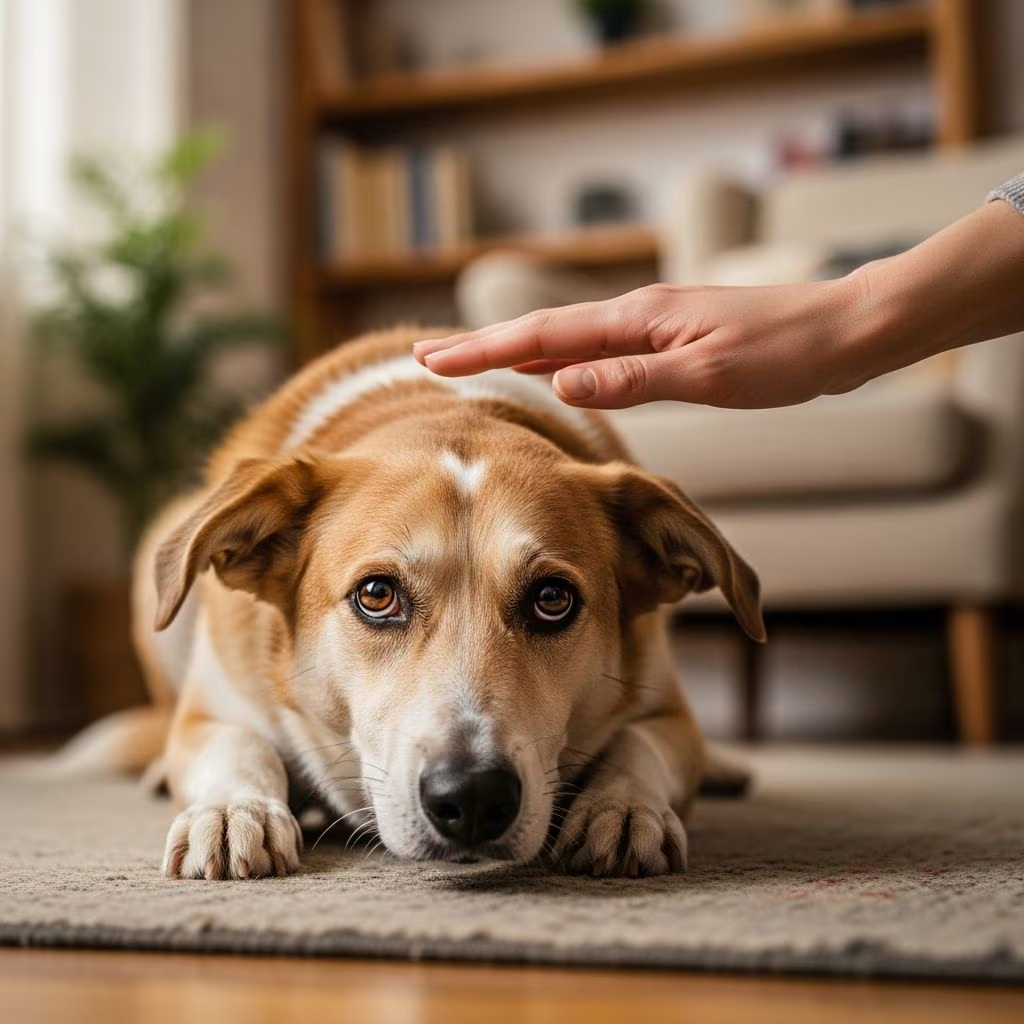
Anxiety in dogs is more common than many pet parents realize, affecting their quality of life and creating challenges for households. From trembling during thunderstorms to destructive behavior when left alone, anxious dogs often display fear-based responses that can escalate if unaddressed. Recognizing these signs early allows for intervention, helping your dog lead a more relaxed existence. This guide draws on insights from certified behaviorists and research to provide actionable steps.
Signs Your Dog Is Anxious
Dogs can’t verbalize their feelings, but their bodies speak volumes. Common indicators include panting or drooling excessively without physical exertion, pacing restlessly, whining or barking persistently, and hiding in corners. Destructive chewing, especially on furniture or doors, often signals frustration from separation. Tail tucking, ears pinned back, and avoidance of eye contact are classic fear postures. In severe cases, dogs may tremble, urinate submissively, or show aggression as a defensive mechanism. These behaviors stem from perceived threats, whether real like loud noises or emotional like owner absence.
- Panting and drooling: Physiological stress responses even in cool environments.
- Pacing and restlessness: Inability to settle due to heightened arousal.
- Excessive vocalization: Whining, barking to express distress.
- Destructive behavior: Chewing or scratching when isolated.
- Body language cues: Tucked tail, flattened ears, lip licking.
Separation anxiety affects up to 86% of dogs with moderate to serious issues, manifesting as howling when owners leave or escape attempts from crates.
Understanding the Causes of Dog Anxiety
Anxiety arises from genetic predispositions, past trauma, or environmental factors. Breeds like herding dogs or those with sensitive temperaments may be more prone. Lack of socialization during puppyhood leaves dogs ill-equipped for novel stimuli. Medical issues like pain or thyroid imbalances can mimic anxiety, so a vet check is essential. Notably, owner behavior plays a role: studies show dogs of neurotic or high-stress owners exhibit more fear and hyperarousal.
Research from anthrozoologists links owner neuroticism—characterized by negative emotions like fear and guilt—to similar traits in dogs. Parents high in neuroticism have dogs with aggression, separation anxiety, and fearfulness. This correlation holds across Big Five personality studies, even when controlling for projection via third-party ratings. A NIH study confirms owner neuroticism ties to anxious pet attachment, with dogs’ fear behaviors amplifying owner worry in a bidirectional loop.
Does Your Anxiety Affect Your Dog?
Pet parents often overlook their influence. High-stress owners tend to have more anxious dogs, per canine behavior experts. Veterinary behaviorist observations note dogs from anxious households show elevated stress levels. This ’emotional contagion’ occurs as dogs mirror human cues, especially empathetic breeds selected for human attunement.
Studies like those from the Clever Dog Lab reveal parent-dog personality similarities, strongest in negative emotionality. Michigan State research on 1,681 owners found high neuroticism predicts fearful, excitable dogs less responsive to training. Reassuringly, anxiously attached owners may be more vigilant to pet needs, but reducing personal stress benefits both.
Immediate Steps to Calm an Anxious Dog
When anxiety spikes, avoid reinforcing fear through punishment. Instead, create safety: move to a quiet room, use calming pheromone diffusers, or play soft music. Deep pressure therapy like ThunderShirts provides comfort by mimicking swaddling. Never scold; it heightens fear. Offer high-value treats or toys to redirect focus positively.
| Situation | Quick Calming Technique |
|---|---|
| Thunderstorms/Fireworks | White noise machine + cozy den |
| Owner Departure | Pre-departure treats + puzzle toys |
| Stranger Approach | Counterconditioning with rewards |
Long-Term Strategies: Training and Behavior Modification
Addressing root causes requires consistency. Seek positive reinforcement trainers who view reactivity as fear, not dominance.
Build Confidence Through Training
Confidence combats fear; teach obedience cues, tricks, or agility to foster success. Start small: name response, targeting nose to hand. Reward heavily for calm behaviors. Obedience builds self-esteem incompatible with anxiety.
Desensitization and Counterconditioning
Core techniques expose dogs gradually to triggers at sub-threshold levels. For separation anxiety, practice short absences, pairing with treats. Increase duration slowly over weeks. Countercondition by associating triggers (doorbell) with positives (jackpot treats). Patience is key; progress may take months.
- Identify trigger intensity scale (1-10).
- Start at 2-3, feed high-value rewards.
- Advance only when dog remains relaxed.
- Sessions: 5-10 minutes daily.
Avoid Common Mistakes
Petting isn’t ‘reinforcing fear’—reassure calmly without nervous energy. Ignore myths; certified consultants confirm comforting is fine if confident. Punishment erodes trust, worsening issues.
Professional Help for Severe Cases
If DIY fails, consult veterinary behaviorists for meds like fluoxetine alongside behavior plans. Force-free trainers use science-based methods. Rule out medical causes first.
Lifestyle Changes to Reduce Anxiety
Daily exercise burns stress; 30-60 minutes of walks, fetch, or hikes. Mental stimulation via puzzle toys prevents boredom-fueled anxiety. Consistent routines provide security. Calming aids: Adaptil collars, CBD (vet-approved), or massages.
- Exercise: Aerobic activity daily.
- Diet: Omega-3 rich foods for brain health.
- Sleep: 12-14 hours routine.
Separation Anxiety Specifics
Common in rescues, symptoms peak at departures. Management: gradual alone time training, camera monitoring, stuffed Kongs. Pet parents experience anxiety too; self-care helps.
Frequently Asked Questions (FAQs)
Can anxious pet parents make dogs more anxious?
Yes, research shows neurotic owners have more fearful dogs via emotional contagion and personality matching.
Should I comfort my scared dog?
Yes, calmly reassure without coddling; it builds trust.
How long does desensitization take?
Weeks to years, depending on severity; consistency matters.
Is medication necessary?
For severe cases, yes, combined with behavior therapy.
What breeds are most anxious?
Sensitive ones like shepherds, but any dog can develop it.
Success Stories and Final Tips
Many dogs transform with patience: one fearful pup now enjoys walks post-counterconditioning. Monitor progress, celebrate small wins. Your calm leadership is pivotal.
References
- Do Anxious Dog Parents Raise More Anxious Dogs? — Kinship. 2023. https://www.kinship.com/dog-behavior/do-anxious-pet-parents-raise-more-anxious-dogs
- Pet and owner personality and mental wellbeing associate… — NIH/PMC. 2023-11-28. https://pmc.ncbi.nlm.nih.gov/articles/PMC10709106/
- How to Help an Anxious Dog Conquer Their Fears — Kinship. 2023. https://www.kinship.com/dog-behavior/helping-fearful-dogs
- How to Help an Anxious Dog — Kinship. 2023. https://www.kinship.com/dog-behavior/helping-anxious-dog
- Pet Anxiety & Separation Anxiety — Kinship. 2023. https://www.kinship.com/pet-behavior/anxiety-separation-anxiety
- A New Study Says 99% of Dogs Have Behavior Issues — Kinship. 2023. https://www.kinship.com/news/dogs-behavior-issues-study



