

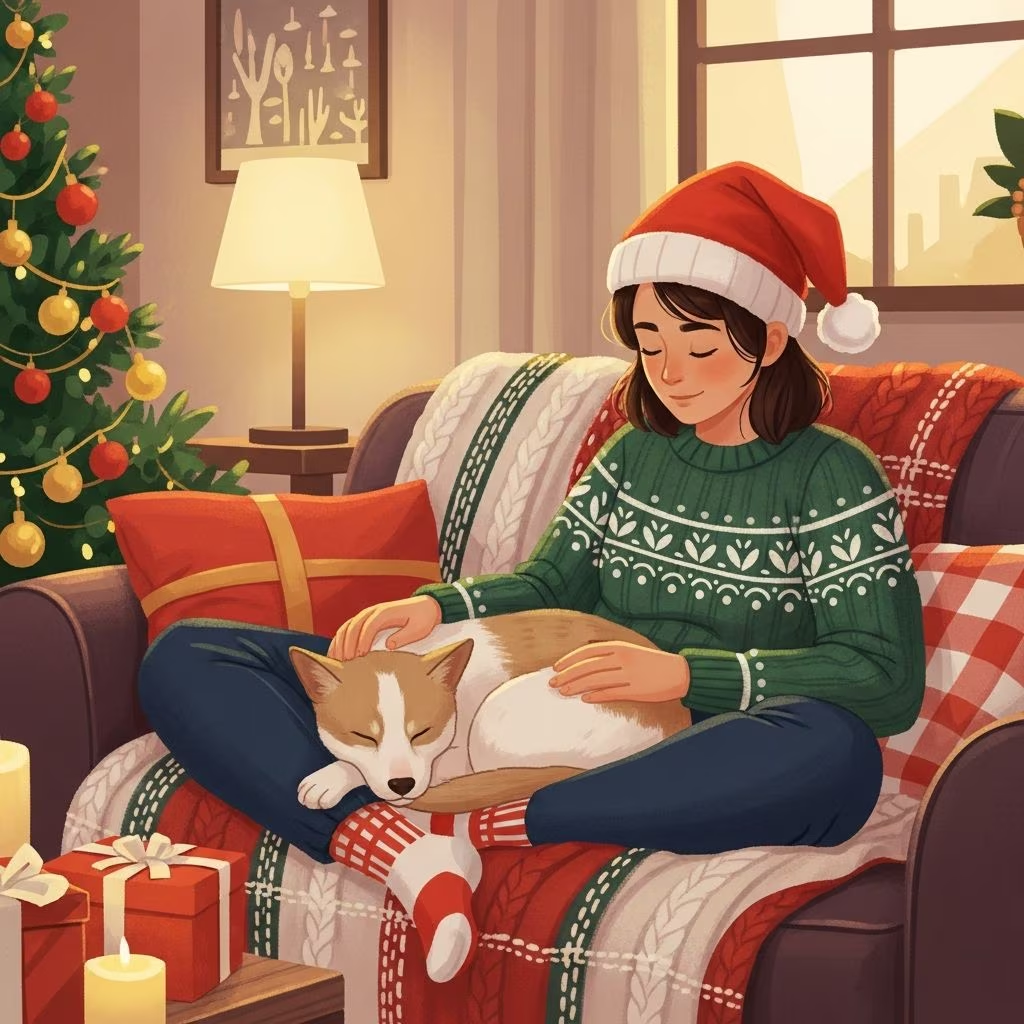
How to De-Stress with Pets During the Holidays
The holiday season brings joy, celebration, and quality time with loved ones—but for many pets, it can be a source of significant stress and anxiety. Holiday festivities often mean changes to daily routines, unfamiliar guests, loud noises, and decorations that can overwhelm our furry companions. Understanding how to help your pets navigate this busy season is essential for their wellbeing and your peace of mind. With thoughtful planning and practical strategies, you can create a calm, comfortable environment where both you and your pets can enjoy the holidays together.
Understanding Holiday Stress in Pets
Pets, particularly cats and dogs, thrive on predictability and routine. The holiday season disrupts normal patterns with increased activity, visitors, changes in feeding schedules, and unfamiliar noises that can trigger anxiety responses. Cats are especially sensitive to environmental changes, as they are naturally neophobic—meaning they dislike changes to their surroundings. Recognizing the signs of stress in your pet is the first step toward addressing their needs. Common indicators include hiding more than usual, decreased appetite, excessive grooming or scratching, sudden aggression or irritability, increased vocalization, restlessness, and even physiological symptoms like diarrhea or vomiting.
Create a Safe, Comfortable Haven
One of the most effective ways to help your pet de-stress during the holidays is to establish a dedicated safe space where they can retreat when feeling overwhelmed. This sanctuary should be quiet, away from the main areas of holiday activity, and filled with familiar items that provide comfort and security.
Elements of an Ideal Pet Haven
Your pet’s safe space should include several key components. Place a comfortable bed, favorite toys, and treats in the designated area. Include a litter box for cats, positioned away from their food and water bowls, as cats prefer these areas to be separate. Add items with your scent, such as a worn T-shirt or blanket, which can provide reassurance and comfort. If your pet has been crate-trained, a crate can also serve as an excellent secure retreat. Position this haven in a low-traffic area, such as a quiet corner of a bedroom, a home office closet, or under a side table where your pet can observe activity without being directly involved.
Introduce your pet to this space gradually before the holiday festivities begin, so they feel comfortable using it during stressful moments. Leave treats and toys inside to create positive associations. Allow your pet to come and go freely—never force them into the space, as this defeats its purpose as a voluntary refuge.
Maintain Consistent Daily Routines
Animals thrive on consistency and predictability. During the holiday chaos, maintaining your pet’s regular schedule becomes even more important for reducing stress and anxiety. Keeping familiar routines in place provides a sense of security and normalcy amidst the changes happening around them.
Feeding and Hydration Schedule
Make a concerted effort to feed your pet at the same times each day, even when you’re busy hosting guests or attending holiday events. Consistency in feeding provides a comforting anchor point in their day. Ensure fresh water is always available, and if you’re moving food and water bowls to a quieter location, familiarize your pet with the new placement before the festivities begin. This predictability helps your pet maintain a sense of control during an unpredictable time.
Regular Play and Exercise
Amid holiday preparations, it’s easy to overlook your pet’s need for play and exercise. However, maintaining regular play sessions is crucial for both physical and mental wellbeing. Schedule dedicated time each day for interactive play with your cat or dog. Use toys that engage their natural instincts—for cats, try feather wands, laser pointers, or interactive mice that mimic hunting behaviors. For dogs, consider fetch games, tug-of-war, or running exercises. These activities help burn off excess energy, reduce stress hormones, and maintain the mental stimulation your pet needs to stay balanced.
Sleep and Rest Patterns
Ensure your pet has undisturbed space for rest and sleep. Adequate sleep is essential for stress management and overall health. Consider providing a cozy, heated bed or pad, especially during colder months, which adds comfort and encourages rest during potentially stressful holiday gatherings.
Minimize Noise and Environmental Stressors
Holiday celebrations often involve increased noise levels from parties, music, fireworks, and general commotion. For pets with sensitive hearing, these sounds can be particularly distressing. Implementing strategies to reduce noise exposure can significantly lower stress levels.
Sound Management Techniques
Use white noise machines, calming music, or soft background television to mask sudden, loud noises like party chatter, doorbell ringing, or fireworks. There are specially composed music albums and apps designed to calm anxious pets, which play at frequencies proven to soothe animal anxiety. Keep the volume moderate and consistent. Close windows and doors to muffle external sounds, and consider drawing curtains or blinds to reduce visual stimulation from outdoor fireworks or holiday decorations.
Managing Guest Interactions
Brief your holiday guests about your pet’s sensitivity to stress and the importance of being considerate. Ask them not to chase, corner, or force interaction with your pet. Provide guests with guidelines on how to safely greet and interact with your animal. Some pets warm up to strangers more easily when treats are involved, so you might offer guests a few treats to offer your pet in a calm, non-threatening manner. Ensure your pet always has access to their safe space and isn’t trapped or blocked from escaping if they feel overwhelmed.
Holiday Decoration Safety and Placement
Holiday decorations add festive cheer but can pose stress and safety risks to pets. Being mindful of decoration choices and placement helps create a pet-friendly environment.
Pet-Safe Decoration Options
Choose pet-friendly decorations and avoid potentially harmful items. Tinsel, while decorative, can be dangerous if ingested by cats and cause intestinal blockages. Glass ornaments are breakable and can cause cuts if shattered. Secure your Christmas tree firmly to prevent it from toppling over, which could injure your pet and create an additional stressful situation. Use pet-safe plants—avoid poinsettias, lilies, holly, and mistletoe, which are toxic to cats and dogs. Opt for artificial alternatives when possible. Keep electrical cords and light strings out of reach or covered to prevent chewing hazards.
Strategic Decoration Placement
Place decorations in areas where your pet cannot easily access, knock over, or become entangled. Keep fragile or potentially dangerous decorations on higher shelves and away from your pet’s normal pathways. Create barriers around the tree if necessary to prevent your pet from accessing ornaments or ingesting decorative materials.
Mental Stimulation and Enrichment
Beyond regular playtime, providing mental enrichment helps keep your pet engaged and reduces anxiety-related behaviors. Mental stimulation is particularly important when your pet’s routine is disrupted.
Interactive Toys and Puzzle Feeders
Introduce puzzle feeders and treat-dispensing toys that challenge your pet’s problem-solving abilities. These toys encourage movement and mental engagement while providing rewarding results. Rotate toys to maintain interest and novelty. Motorized toys, automated ball launchers, or interactive feeders can keep your pet entertained even when you’re busy with guests or holiday preparations. Hide treats around the house to encourage natural foraging behaviors and keep your pet mentally active.
Environmental Enrichment
For cats, provide scratching posts and cat trees that serve as physical outlets and vertical spaces where they can observe activity without direct involvement. Window perches allow cats to engage in natural bird-watching behavior, which provides both mental stimulation and entertainment. Rotating toys and introducing new (or previously loved) toys can create excitement and engagement during potentially stressful times.
Bonding and Physical Affection
Pets form meaningful attachments to their owners, and increased bonding time can actually help reduce holiday stress. Physical affection and quality time communicate security and stability to your pet.
Intentional Quality Time
Dedicate specific moments each day to one-on-one time with your pet. Gentle petting sessions, cuddling on the couch, or sitting quietly together can provide reassurance and strengthen your bond. These quiet moments signal to your pet that the holiday disruption is temporary and that everything is well. Even brief sessions of undivided attention can have significant calming effects.
Special Treats and Rewards
Offer your pet special treats (ensuring they’re cat or dog-appropriate, respectively) as positive reinforcement during stressful situations. The combination of treats and physical affection creates positive associations and provides comfort. Be mindful of overall calorie intake and choose treats that won’t upset digestive systems, especially during times of routine disruption.
Calming Aids and Remedies
When environmental modifications alone aren’t sufficient, various calming products can help support your pet’s stress management during the holidays.
Pheromone Products
Synthetic pheromone diffusers, sprays, and collars are scientifically designed to mimic natural calming pheromones that cats produce. When released into the air, these synthetic pheromones signal a safe, familiar territory, effectively reducing anxiety and promoting relaxation. These products are particularly helpful for cats and can also address litter box issues, spraying, and aggressive behavior. Brands like Feliway are widely available and can be used in conjunction with environmental modifications and routine maintenance.
Calming Supplements and Treats
Various supplements containing ingredients like L-theanine, melatonin, and tryptophan have been shown to support relaxation and reduce anxiety in pets. These supplements are available in treat form, making them easy to administer. Catnip and silvervine can also provide calming effects for cats, though individual responses vary. Consult your veterinarian about the best options for your specific pet, as recommendations depend on age, health status, and individual sensitivities.
Professional Consultation
If your pet’s anxiety is severe, consult your veterinarian about prescription anxiety medications or other professional interventions. Your vet can recommend the most appropriate options based on your pet’s individual needs and health profile.
Holiday Gift Ideas for Stress-Free Pet Enjoyment
Thoughtful gift selection can enhance your pet’s holiday experience while supporting stress reduction and enrichment.
Interactive Toys
Laser pointers, motorized mice, feather wands, and similar toys that engage hunting instincts make excellent gifts. These items provide both physical exercise and mental stimulation, helping to burn off excess energy and anxiety.
Comfort Items
Cozy beds, heated pads, or plush blankets provide comfort and security. During cold weather, heated pads are especially appreciated and encourage rest and relaxation. Consider beds with raised edges, which give cats a sense of containment and security.
Enrichment Toys
Puzzle feeders, treat-dispensing toys, and interactive games challenge your pet’s mind and provide rewarding entertainment. Scratching posts, cat trees, and climbing structures offer physical outlets and safe retreat spaces.
Holiday Gift Considerations Table
| Gift Type | Benefits | Best For |
|---|---|---|
| Interactive Toys | Physical exercise, mental stimulation, hunting instinct engagement | Active cats and dogs |
| Puzzle Feeders | Mental challenge, slower eating, reward-based engagement | All cats and dogs, especially anxious pets |
| Heated Beds | Comfort, warmth, encouragement of rest | Senior pets, cats preferring warmth |
| Cat Trees | Vertical space, observation platform, scratching outlet | Indoor cats |
| Scratching Posts | Physical outlet, territorial marking, stress relief | Cats of all ages |
Frequently Asked Questions About Pet Holiday Stress
Q: How can I identify signs of stress in my cat during the holidays?
A: Watch for behavioral changes including excessive hiding, decreased appetite, increased grooming or scratching, sudden aggression, increased vocalization, and restlessness. Physical symptoms like diarrhea or vomiting may also indicate stress. Early recognition allows you to implement calming strategies promptly.
Q: What if my pet refuses to use their safe space?
A: Never force your pet into the space. Instead, make it more appealing by placing their favorite treats, toys, and items with your scent inside. Leave the door open and let them explore voluntarily. You can also try placing their food bowl nearby to create positive associations with the space.
Q: Are pheromone products safe for all cats?
A: Synthetic pheromone products like Feliway are generally considered safe for cats of all ages and health statuses. However, it’s always best to consult your veterinarian before introducing any new product, particularly if your cat has existing health conditions or is taking medications.
Q: How much exercise does my pet need during the holiday season?
A: Cats typically benefit from multiple 10-15 minute play sessions throughout the day, while dogs generally need at least 30-60 minutes of exercise daily, depending on breed and age. During busy holiday periods, these sessions become even more important for stress management and maintaining normal behavior.
Q: Can I use human relaxation techniques for my pet?
A: While some crossover exists—like soft music and calm environments—pets require species-specific approaches. Consult your veterinarian about appropriate calming strategies designed specifically for cats or dogs to ensure safety and effectiveness.
Q: What should I do if my pet’s stress symptoms don’t improve?
A: If stress behaviors persist despite your efforts, contact your veterinarian. Severe anxiety may require professional intervention, including behavioral consultation or prescription medications. Your vet can rule out underlying health issues and recommend the most appropriate treatment plan.
Q: Are there holiday decorations I should definitely avoid?
A: Yes, avoid tinsel (ingestion hazard), glass ornaments (breakage risk), toxic plants like poinsettias and lilies, and keep electrical cords secured. Use pet-safe alternatives when possible and ensure decorations are positioned where your pet cannot access them.
Q: How can guests help reduce my pet’s stress?
A: Brief guests on your pet’s anxiety and ask them to avoid chasing, cornering, or forcing interaction. Allow your pet to approach guests on their own terms. Offering treats for calm interactions can help, and guests should respect your pet’s safe space and allow retreat without interruption.
References
- Keep Your Cat Calm During the Holidays with Practical Tips — West Greenwich Animal Hospital. 2024. https://westgreenwichanimalhospital.com/how-to-keep-the-holidays-stress-free-for-your-cat/
- Cat Stress Relief: How to Keep the Holidays Stress Free — Taste of the Wild Pet Food. 2024. https://www.tasteofthewildpetfood.com/articles/health/cat-stress-relief-how-to-keep-the-holidays-stress-free/
- Your Cat’s Holiday Stress – How to Help — All About Cats. 2024. https://weareallaboutcats.com/your-cats-holiday-stress-how-to-help/
- Pet Separation Anxiety: Tips for a Stress-Free Holiday Season — Merrill Animal Clinic. 2024. https://www.merrillanimalclinic.com/blog/november-pet-separation-anxiety-tips-for-a-stress-free-holiday-season
- Holistic Ways to Reduce Pet Anxiety During Fall Holidays — Laguna Beach Veterinary Hospital. 2024. https://lagunabeachvet.com/holistic-ways-to-reduce-pet-anxiety-during-fall-holidays/
- How To Reduce Holiday Stress in Pets — Kanan Veterinary Hospital. 2024. https://www.kananvet.com/blog/how-to-reduce-holiday-stress-in-pets



