

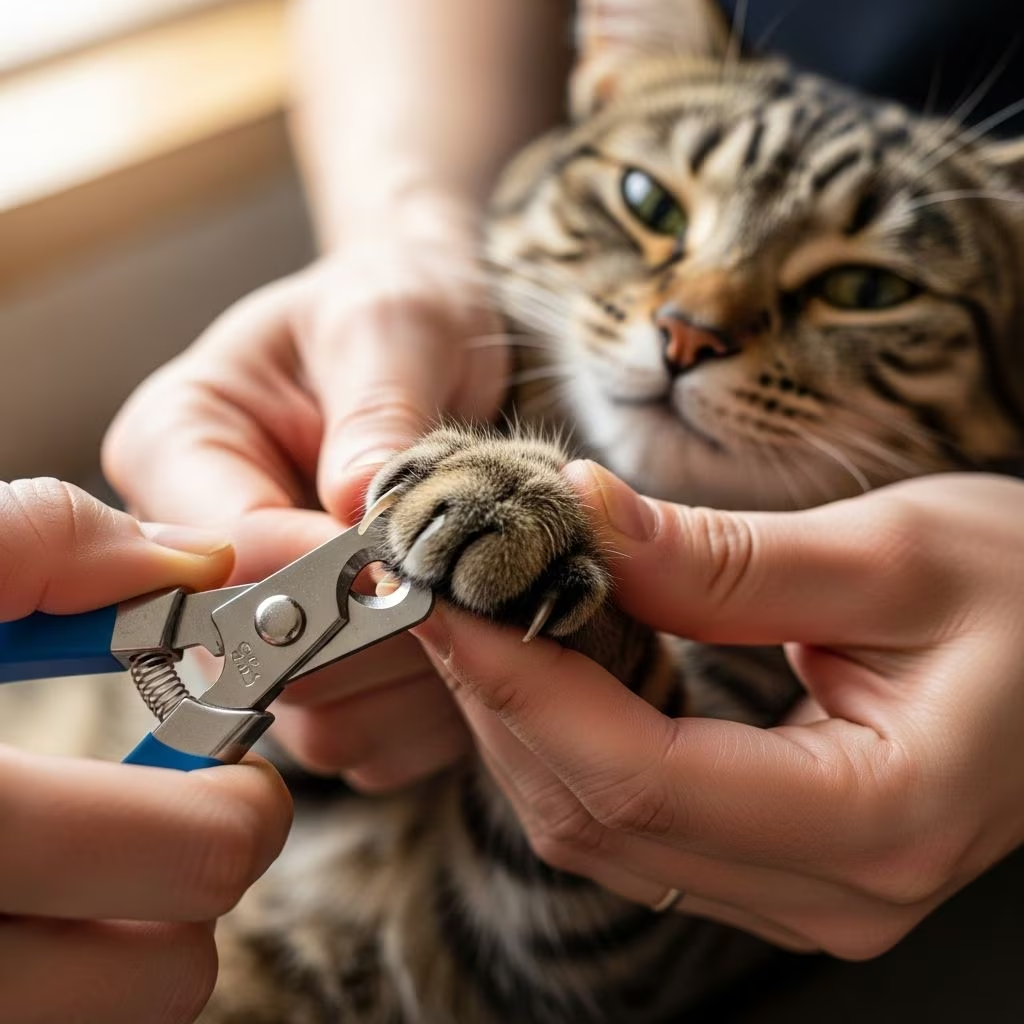
Trimming your cat’s claws is an essential part of pet ownership that promotes safety for your home, family, and feline friend. Sharp claws can snag fabrics, scratch skin, and even lead to overgrown nails that cause discomfort. Dr. Karyn, a seasoned veterinarian, shares her expert techniques to make claw trimming a manageable task, even for solo pet parents. Most cats resist paw handling due to their sensitive feet, but with patience and practice, you can master this skill and prevent the need for professional visits every few weeks.
Why Trim Your Cat’s Claws?
Unlike wild cats whose claws wear down naturally through hunting, climbing, and rough terrain, indoor cats lack these activities. Overgrown claws can curl into the paw pads, leading to pain, infection, or mobility issues. Regular trimming—every 4-6 weeks—keeps nails blunt, protecting your furniture, skin, and your cat’s health. Outdoor cats may need less frequent trims if their claws show natural wear, but always check for overgrowth.
- Prevents snags on carpets, couches, and clothing
- Reduces risk of scratches to humans and other pets
- Avoids ingrown nails or splits that require vet intervention
- Maintains balance and grip for climbing
Gather the Right Tools for Cat Claw Trimming
Invest in cat-specific clippers for clean, safe cuts. Human nail clippers can crush the claw if not used sideways, causing pain and splintering. Opt for sharp, curved-blade guillotine or scissor-style clippers designed for pets—they slice smoothly without squeezing the quick.
| Tool | Pros | Cons | Best For |
|---|---|---|---|
| Guillotine Clippers | Precise, angled cut; adjustable hole | May dull over time | Small to medium cats |
| Scissor Clippers | Easy grip; beveled blades | Less control on thick nails | Kittens and seniors |
| Human Clippers (sideways) | Cheap, accessible | Risk of crushing; imprecise | Emergency only |
| Nail Grinder | No quick-cutting risk; gradual filing | Noisy; time-consuming | Anxious cats |
Additional essentials: styptic powder (for accidental bleeding), treats, a towel for wrapping, and good lighting to spot the quick—a pink vein running through translucent nails in light cats, harder to see in dark claws.
Prepare Your Cat for Claw Trimming
Desensitization is key—cats hate paw manipulation because feet are nerve-rich and vital for survival. Start young, ideally at 4-8 weeks for kittens, to build tolerance.
- Daily Paw Play: Gently massage paws, squeeze toes to extend claws without clipping. Reward with treats and praise. Do this during cuddles or meals.
- Introduce Clippers: Let your cat sniff and touch the closed clippers. Tap them on a table to familiarize with the sound.
- Quiet Environment: Choose a calm room, dim lights, and no distractions. Trim post-meal when relaxed.
Pro Tip: For aggressive cats, use the “burrito wrap”—tuck body in a towel, exposing one paw at a time.
Step-by-Step Guide: How to Trim Cat Nails Safely
With practice, solo trimming is possible. Dr. Karyn demonstrates in her video: hold cat in lap facing away, secure gently.[10]
- Position Comfortably: Cradle cat in arm crook, back to your chest. Or lay on side with helper holding body.
- Expose Claw: Press top of toe pad firmly—claws protract naturally. Support paw underside.
- Identify Quick: Look for pink taper; cut 2mm before it. Dark nails? Shine light underneath or clip conservatively.
- Cut at Angle: Position clippers perpendicular, follow nail curve. One snip per nail—aim to remove 3-5mm for 3-4 week regrowth.
- All Paws: Do front first (more used), then rear. Two-three nails per session if resistant, building up over days.
- Finish Strong: Treats, pets, play. Never force—end positively.
If bleeding occurs, apply styptic powder or cornstarch firmly. Monitor for infection.
Common Mistakes to Avoid When Trimming Cat Claws
Veterinarians see many mishaps from rushed or improper techniques. Here’s how to sidestep them:
- Cutting the Quick: Causes pain, bleeding, and future aversion. Always under-light and err short.
- Dull Clippers: Lead to crushing/splitting. Sharpen or replace regularly.
- Rushing Sessions: Stressed cats associate with trauma. Short, frequent trims beat battles.
- Ignoring Splits: Cats shed outer layers via scratching; persistent splits signal nutrition or health issues—consult vet.
- Neglecting Rear Claws: Shorter, blunter, but still grow and snag.
Tips for Trimming Uncooperative or Aggressive Cats
Not all cats cooperate. For feisty felines:
- Solo: Trim during deep sleep, one paw at a time.
- Distraction: Helper dangles toy; use lick mats with treats.
- Grinders: Less scary noise—introduce gradually.
- Timing: Post-bath when drowsy, or pre-nap.
- Progression: One nail/day, rewarding heavily.
When to Call Professionals for Cat Nail Trims
If DIY fails, vets or groomers trim for $10-20. They use restraint tables, muzzles if needed, and pro tools. Ideal for dark nails, infections, or extreme fear. Seniors or health-compromised cats benefit from exams during trims.
Signs for vet: Ingrown claws, limping, pus, splits not resolving.
Maintaining Healthy Cat Nails Long-Term
Beyond trims:
- Scratching Posts: Sisal or cardboard—redirects natural shedding.
- Diet: Biotin-rich food for strong nails.
- Check Weekly: Early overgrowth detection.
- Kittens: Start early for lifelong ease.
Frequently Asked Questions (FAQs)
What if I accidentally cut the quick?
Apply styptic powder, pressure, and ice. Most stop in minutes; watch for swelling. Next time, clip less.
How often should I trim cat nails?
Every 4-6 weeks for indoors; less for outdoors. Trim when tips blunt or snag.
Can I use dog clippers on cats?
No—too large, risks crushing. Cat-specific only.
Do cats’ nails need filing?
Grinders work for fearful cats; file after clipping if needed.
Why do cats hate nail trims?
Paws are ultra-sensitive; noise and restraint trigger defense instincts.
Mastering cat claw trimming takes time but saves money and stress. Follow Dr. Karyn’s tips for safer, happier sessions—your cat (and couch) will thank you!
References
- Do You Need to Trim Your Cat’s Nails? How to Trim a Cat’s Nails (Who Won’t Cooperate) — Catster (Veterinarian-Reviewed). 2024-10-15. https://www.catster.com/cat-health-care/how-to-trim-a-cats-nails-that-wont-let-you/
- How to Trim Kitten Nails in 4 Simple Steps: Vet-Approved Advice — Catster (Vet-Approved). 2024-08-20. https://www.catster.com/cat-health-care/how-to-trim-kitten-nails/
- Cat Nails Splitting? Vet Approved Facts & Recommendations — Catster (Vet-Approved). 2024-09-10. https://www.catster.com/cat-health-care/cat-nails-splitting/
- How to Keep Your Cat’s Nails Healthy in 5 Vet-Approved Steps — Catster (Vet-Approved). 2024-11-05. https://www.catster.com/cat-health-care/how-to-keep-cats-nails-healthy/
- How Do Professionals Cut Cat Nails? 7 Vet-Approved Useful Tips — Catster (Vet-Approved). 2024-07-22. https://www.catster.com/cat-health-care/how-professionals-cut-cat-nails/
- 10 Interesting Facts About Cat Claws & Their Anatomy (Vet-Reviewed) — Catster (Vet-Reviewed). 2024-06-18. https://www.catster.com/lifestyle/cat-claw-facts-anatomy/



