

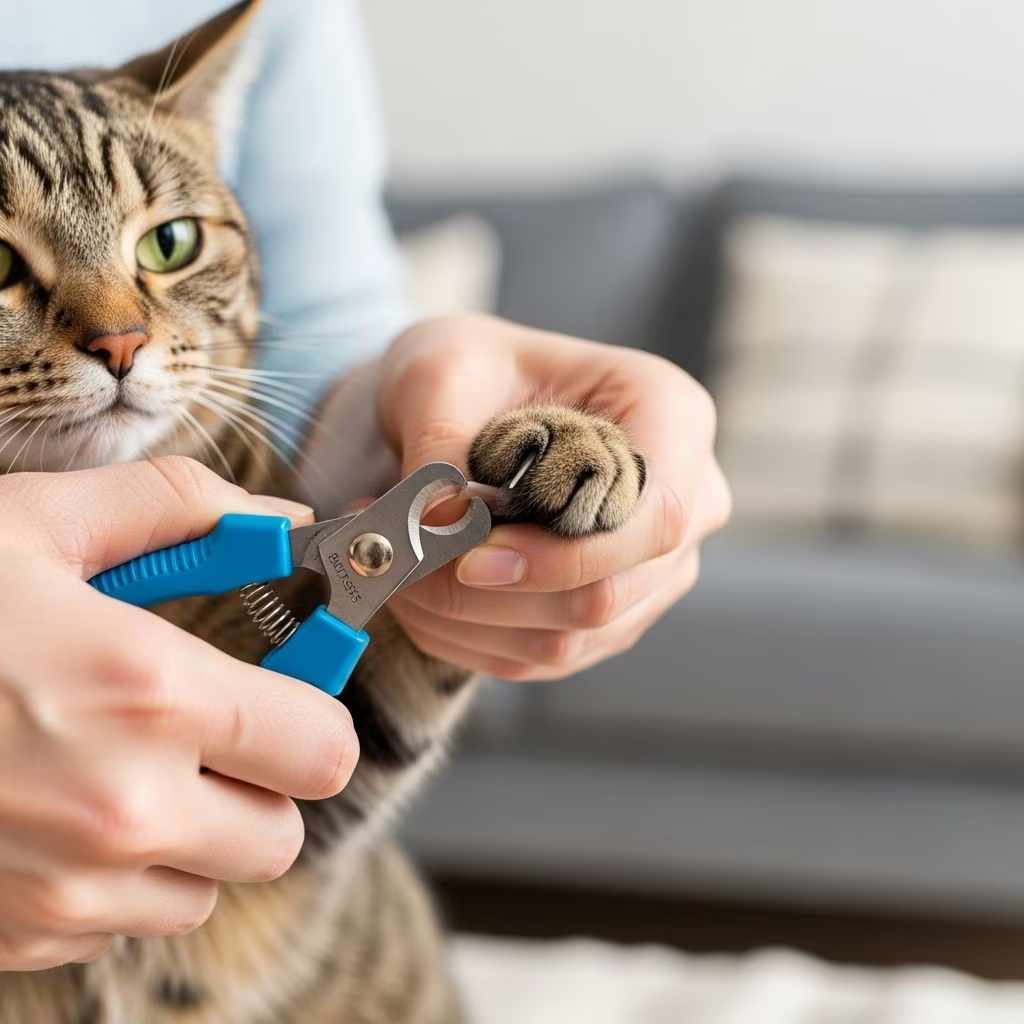
Trimming your cat’s nails is an essential part of their grooming routine that many cat owners find daunting. However, with the right knowledge, proper tools, and a calm approach, nail trimming can become a simple and stress-free experience for both you and your feline companion. Regular nail maintenance helps prevent overgrowth, reduces scratching on furniture, and promotes your cat’s overall health and comfort. This comprehensive guide will walk you through everything you need to know about cutting your cat’s nails safely and effectively at home.
Understanding Your Cat’s Nails: The Anatomy of a Claw
Before you begin trimming, it’s important to understand the basic anatomy of your cat’s nails. The quick is the pink or red part inside your cat’s nail that contains blood vessels and nerves. This is the critical area you must avoid when trimming. The outer part of the nail is white or clear, and this is the only portion you should cut. Think of it like trimming your own fingernails—you only trim the white part, never the living tissue underneath.
Most cats have clear nails, which makes it relatively easy to identify the quick and avoid cutting into it. However, some cats may have darker nails, making the quick harder to spot. In these cases, it’s better to trim conservatively and take off only a small amount at a time rather than risk hitting the quick.
An Important Note About Declawing: It’s crucial to understand that nail trimming is NOT the same as declawing. While a nail trim is equivalent to humans trimming their fingernails, declawing is a surgical amputation of the last bone of each toe on a cat’s paw—comparable to cutting off human fingers at the first knuckle. Declawing should never be used to prevent scratching and is considered inhumane by veterinary and animal welfare organizations.
Gathering the Right Tools and Supplies
Having the correct tools makes the nail-trimming process significantly easier and safer for your cat. Here are the essential items you’ll need:
- Cat Nail Clippers: Choose from two main types—guillotine-style clippers or scissor-style clippers. Guillotine-style clippers have a hole you insert the nail through before sliding a blade across to cut it. While these stay sharp longer, they can be tricky to use on cats because inserting the nail into a hole adds difficulty to the process. Scissor-style clippers may be more intuitive for many pet owners.
- Sharp Blades: Dull clippers can crush or split the nail rather than creating a clean cut. Always ensure your clippers are sharp and in good condition.
- Never Use Human Clippers: Avoid using scissors or human nail clippers, as these can squash the nail or cause them to split.
- Styptic Powder: Keep styptic powder (such as Miracle Care Kwik-Stop) on hand in case you accidentally cut the quick. Cornstarch or flour can also work in a pinch.
- Cotton Balls or Cotton Wool: These are useful for applying styptic powder or flour if bleeding occurs.
- Optional: Nail Grinder: Some people prefer using a nail grinder instead of clippers. However, if you choose this route, practice with it during calm sessions first so your cat becomes accustomed to the sound and sensation.
- Optional: Feliway Calming Spray: This pheromone spray can help keep your cat relaxed during the trimming session.
Preparing Your Cat and Creating the Right Environment
The environment and your cat’s emotional state play a crucial role in a successful nail-trimming session. Start by finding a quiet spot in your home, away from children, other pets, and startling noises. A calm environment helps keep your cat relaxed and makes the entire process easier.
If you use Feliway calming spray, apply it to the area or blanket where you’ll be trimming nails about 15 minutes before you start. This gives the pheromones time to create a calming effect on your cat.
Choose a time when your cat is naturally calm and relaxed—after a meal or play session often works well. Avoid trying to trim nails when your cat is already agitated or in a playful mood. The key is patience and a gentle approach that maintains your cat’s trust and comfort.
Step-by-Step Instructions for Trimming Cat Nails
Step 1: Get Your Cat in a Comfortable Position
Start by having your cat sit in your lap or on a comfortable surface where you can easily access their paws. Position your cat in a way that’s secure and comfortable for them while being protective for you. Avoid forceful restraint techniques such as scruffing (holding your cat by the scruff of their neck), as this can rapidly escalate stress, leading to aggression or escape attempts. Instead, use gentle handling that makes your cat feel safe and secure.
Step 2: Practice Extending the Nails
Before you actually start cutting, practice extending your cat’s nails one at a time. This preparation helps your cat acclimate to the process and makes the real trimming session much smoother. Pick up one of your cat’s paws and hold it in a natural position without folding it too far back or forward.
Using your non-dominant hand, place your forefinger on your cat’s paw pad and your thumb on the top of the toe. Gently squeeze to extend the nail. This reveals the claw so you can see it clearly and identify the quick before making any cuts. Getting your cat comfortable with this motion is essential before you bring out the clippers.
Step 3: Identify the Quick
Once the nail is extended, examine it carefully to locate the quick. In clear nails, you’ll see the nail is mostly transparent, but a few millimeters into the claw (right after the curve), it begins to get cloudy on the bottom side. That cloudy area is the quick—the living tissue you must avoid. In pink nails, the quick appears as a pink or red area inside the white part of the nail.
Take your time with this step. The better you can identify where the quick begins, the safer and more confident you’ll feel making your cuts. A good rule of thumb is to cut a couple of millimeters away from the quick to ensure you don’t accidentally nick it.
Step 4: Make the Cut at a 45-Degree Angle
This is where precision matters. Use your clippers to trim the tip of your cat’s nail at a 45-degree angle rather than straight across. This angle allows the nail to rest comfortably on the ground when your cat walks, promoting proper foot health and comfort.
Use firm, decisive pressure when cutting. A softer, tentative approach can accidentally crush the nail rather than cutting it cleanly. One smooth motion is ideal—hesitation can lead to a jagged cut or accidental crushing of the nail.
Step 5: Take Small Amounts at a Time
Start by clipping only the very tip of your cat’s nail, especially if you’re a beginner. It’s much better to trim small increments often than to take off too much and cause injury. Only trim 1-2 millimeters at a time. This conservative approach reduces stress on your cat and minimizes the risk of accidentally hitting the quick.
Continue this process for all four paws. Remember that your cat also has dew claws—the small claws on the side of the front paws—which also need attention. The dew claws can be tricky to access and trim, so take extra care with these.
Step 6: Special Attention to Back Feet and Dew Claws
Trim the back feet using the same technique as the front feet. The only truly tricky claws to trim are the “thumb” claws (dew claws) on the front paws. To access them properly, you’ll need to use your whole hand and may need to be a bit ambidextrous in your approach.
If your cat has long hair around their paws, make sure it’s pulled back and out of the way so you can see clearly what you’re doing. This is especially important if you’re using a nail grinder, since that tool can grab hair and pull hard.
What to Do If You Accidentally Cut the Quick
Don’t panic if you accidentally cut the quick—this happens to even the most experienced pet owners. Sharp tools and your cat’s sudden movements can sometimes lead to accidents. If you do nick the quick, your cat will experience some pain and bleeding.
Immediate First Aid:
- Apply styptic powder (such as Miracle Care Kwik-Stop Styptic Powder) directly to the affected nail and apply gentle pressure for a few seconds.
- If styptic powder isn’t available, you can use cornstarch or flour—even though these aren’t specifically designed for this purpose, they can help with clotting.
- If using cornstarch or flour, wet a cotton ball, apply it to the nail, and hold pressure for a few seconds.
- Wrap cotton wool around the nail and hold it if bleeding continues.
After the bleeding stops, monitor the nail for any signs of infection. If the nail becomes swollen, warm to the touch, or shows signs of infection, contact your veterinarian. Most minor quick injuries heal quickly without intervention, but professional guidance is important if complications arise.
Professional Tips from Veterinary Experts
Experienced veterinarians and professional groomers recommend several additional strategies to make nail trimming successful:
- Practice Without Cutting: Before you get out the clippers, put your cat in position and practice extending their nails one at a time. When your cat is used to this process, they’ll be much more relaxed during actual trimming. If using a nail grinder, turn it on during these practice sessions so your cat becomes accustomed to the noise without the tool actually touching their nails.
- Use Minimal Force: The least amount of force necessary to restrain your cat is ideal. Forceful techniques can result in stress and aggression, ultimately destroying your cat’s trust in you. Patience is key to success.
- Regular Trimming: Establish a regular trimming schedule. Most cats benefit from nail trims every 2-4 weeks, depending on how quickly their nails grow. Regular trimming prevents overgrowth and keeps your cat’s claws at a healthy length.
- Early Socialization: It’s best to start nail trimming when cats are kittens. Young cats that become accustomed to the process early will be much more cooperative as adults.
- Know When Not to Trim: If a claw is already close to the end and nearly all white, it may not need clipping. Don’t trim for the sake of trimming—only trim when necessary.
Frequently Asked Questions About Cat Nail Trimming
How often should I trim my cat’s nails?
Most indoor cats benefit from nail trims every 2-4 weeks. Outdoor cats may naturally wear down their nails more through climbing and activity. However, the specific frequency depends on your individual cat’s nail growth rate. Regular trimming prevents overgrowth, which can cause discomfort or ingrown nails.
What if my cat won’t sit still during nail trimming?
If your cat is resistant, try trimming just one or two nails per session rather than all at once. This makes the experience less overwhelming and helps your cat gradually become more comfortable. Use positive reinforcement, treats, and praise to create a positive association with nail trimming. If your cat is extremely resistant, consider having a professional veterinarian or groomer handle it.
Can I use human nail clippers on my cat?
No. Human nail clippers are not designed for cat nails and can squash or split the nail rather than creating a clean cut. Always use clippers specifically designed for cats.
What if my cat’s nails are very dark and I can’t see the quick?
With dark nails, it’s harder to identify the quick visually. In this case, be extra conservative and trim only a very small amount at a time. Some pet owners shine a light through the nail to help identify the quick. When in doubt, trim less rather than more.
Is it normal for my cat’s nails to be a bit dull or cracked after trimming?
It’s completely normal for freshly trimmed nails to appear slightly rough. This smooths out naturally over time. However, ensure your clippers are sharp enough to make clean cuts rather than crushing the nail, which can lead to splitting and damage.
Should I trim my cat’s nails myself or visit a professional groomer?
Many cat owners successfully trim their cat’s nails at home with proper technique and the right tools. However, if you’re uncomfortable doing it yourself, have an extremely uncooperative cat, or prefer professional handling, veterinarians and professional groomers can perform this service. The important thing is that your cat’s nails are trimmed regularly to maintain their health and comfort.
References
- Pro Tips for Cutting Cat Nails: A Step-by-Step Guide — Chewy. 2024. https://www.chewy.com/education/cat/grooming/pro-tips-for-cutting-cat-nails-a-step-by-step-guide
- Trim Your Cat’s Nails — Nash County Animal Hospital. https://nashpetcare.com/trim-your-cats-nails/
- How to Trim Your Cat’s Claws: 4 Steps with Pictures — Instructables. https://www.instructables.com/how-to-trim-your-cats-claws/
- How To Trim Your Cat’s Claws: Pet Health Advice — Pet Health Advice (YouTube). https://www.youtube.com/watch?v=S2p95PmgvOk
- Cat Claw 101: A Guide to Trimming Kitty Nails — Cat Care Society. https://www.catcaresociety.org/cat-claw-101-a-guide-to-trimming-kitty-nails/
- ASPCA Grooming 101: Nail Trimming for Cats — ASPCA (YouTube). https://www.youtube.com/watch?v=MnQjdTWku5U



