

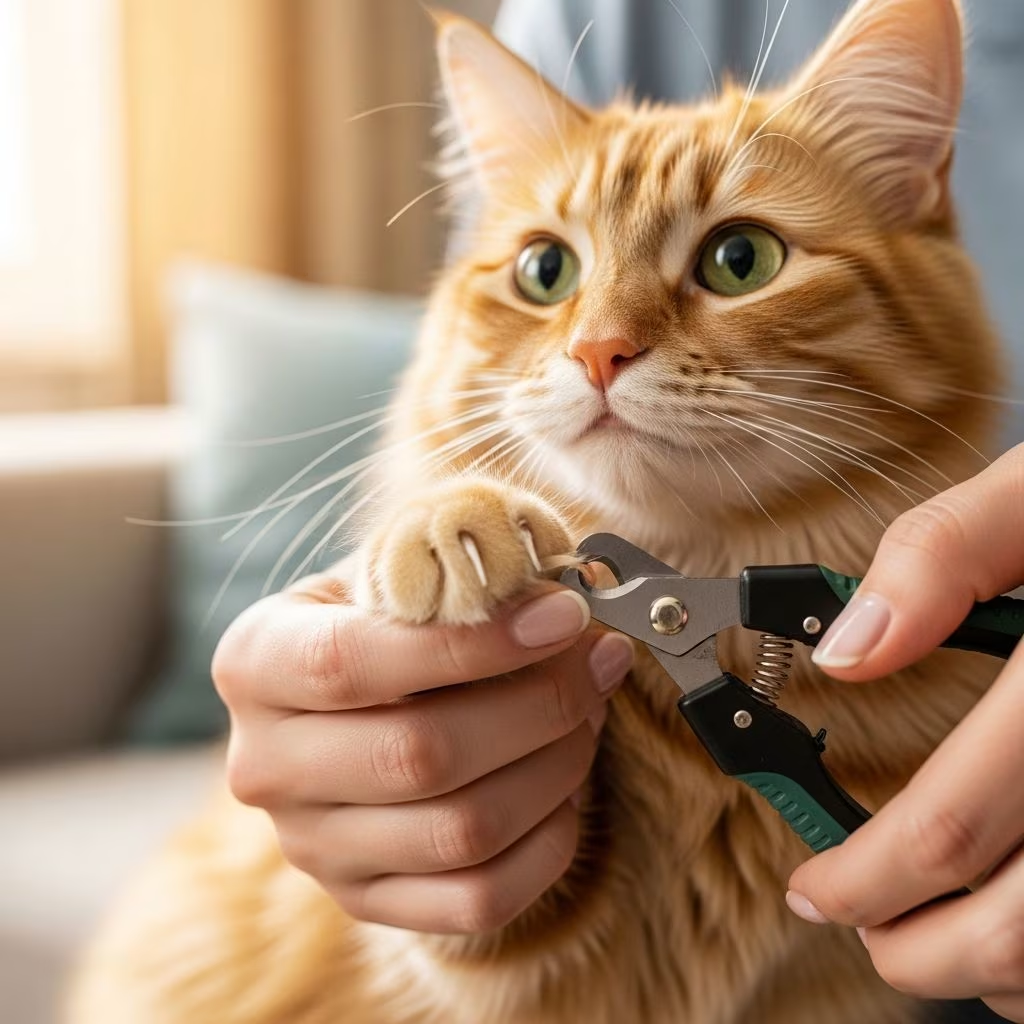
Trimming your cat’s nails is an essential part of routine grooming that prevents overgrown claws from causing discomfort, injury, or damage to your home. Regular nail cuts keep your feline friend’s paws healthy, reduce scratching issues, and promote overall well-being. This comprehensive guide covers everything from selecting the right tools to step-by-step techniques, pro tips, and troubleshooting, ensuring a safe experience for both you and your cat.
Why Trim Your Cat’s Nails?
Cats naturally shed the outer layers of their claws through scratching, but indoor cats often lack sufficient scratching surfaces, leading to overgrown nails. Long nails can curl under the paw pads, causing pain, infections, or mobility issues. Trimming every 2-4 weeks maintains **nail health**, prevents snags on fabrics, and minimizes destructive scratching on furniture.
According to veterinary guidelines, proper nail maintenance supports your cat’s natural claw retraction and prevents the quick—the sensitive inner nail part—from lengthening. Starting trims early, especially with kittens, builds positive habits and reduces stress later. Benefits include:
- Healthier paws free from embedded debris or infections.
- Safer household environment with less sharp claw damage.
- Stronger bond through gentle handling and grooming routines.
What You’ll Need
Gather these essentials before starting to ensure a smooth process:
- Cat nail clippers: Guillotine-style (e.g., Resco Original) or scissor-style for precise cuts. Avoid human clippers as they crush nails.
- Styptic powder (e.g., Kwik-Stop) or cornstarch/flour to stop bleeding if the quick is nicked.
- Treats and toys: High-value rewards for positive reinforcement.
- Towel or blanket: For wrapping if your cat is wiggly.
- Calming aids: Feliway spray or pheromone diffusers for anxious cats.
Invest in sharp, cat-specific tools—they stay effective longer and reduce nail splitting.
Step-by-Step Guide to Trimming Cat Nails
Follow these proven steps from professional groomers and vets for safe trims.
1. Choose the Right Time and Place
Wait until your cat is relaxed, such as after a meal or play session. Select a quiet room free from distractions like children or other pets. Dim lights and soft music can enhance calmness. Spray calming pheromones 15 minutes prior for extra relaxation.
2. Get Your Cat Comfortable
Position your cat in your lap or on a stable surface. For squirmy cats, use the “burrito wrap” method: Gently swaddle in a towel, exposing one paw at a time. Pet and speak softly to maintain trust—never force or scruff, as it escalates stress.
3. Extend the Nail
Hold the paw naturally. Place your thumb on the pad and forefinger on top of the toe; squeeze gently to extend the claw. Cats’ retractable claws require this pressure—avoid awkward bending. Note the **quick**: Pink in light nails, harder to see in dark ones (trim conservatively).
4. Make the Cut
Position clippers at a **45-degree angle** for natural wear. Snip just the tip (1-2mm), staying 2mm from the quick. Use firm, quick pressure—hesitation crushes the nail. Trim one paw fully before switching to build confidence.
5. Repeat and Reward
Work slowly, taking breaks if needed. Do all 18 nails (5 front per paw, 4 back) over multiple sessions if your cat fidgets. Praise and offer treats after each paw. Display:
| Step | Action | Tip |
|---|---|---|
| 1 | Calm spot | Use Feliway |
| 2 | Position cat | Towel wrap |
| 3 | Extend nail | Gentle squeeze |
| 4 | Cut at 45° | 1-2mm off |
| 5 | Reward | Treats immediately |
Types of Nail Clippers
Select based on your cat’s temperament and nail thickness:
- Guillotine clippers: Nail through hole, blade slides across. Durable but tricky for insertion.
- Scissor/Guillotine hybrids: Easier for beginners, precise.
- Rotary grinders: File down nails; good for dark claws but noisy—acclimate first.
For kittens, use mini clippers; adults need sturdy models.
Understanding the Quick
The quick is the nail’s core with blood vessels and nerves—cutting it causes pain and bleeding. Visible as pink in translucent nails; in black nails, trim tiny amounts frequently. If nicked, stay calm: Apply styptic powder, cornstarch, or flour with pressure for 30 seconds. Bleeding stops quickly.
Tips for Trimming Kittens and Seniors
Kittens: Start at 4-6 weeks. Make it playtime with treats to desensitize.
Seniors/Arthritic cats: Trim less frequently; use grinders for gentle filing. Support joints during handling.
- Practice sessions without clipping to build tolerance.
- One person holds, another clips for teams.
- Dark nails: Use flashlight to spot quick; err short.
What If My Cat Won’t Let Me Trim Their Nails?
Patience is key—never force. Alternatives:
- Two-person approach: One distracts with pets/treats.
- Sedation-free aids: Pheromones, catnip distractions.
- Professional help: Vet or groomer for $10-20 per session.
- Scratch posts: Encourage natural wear between trims.
If aggression persists, consult a vet for behavior tips.
Frequently Asked Questions (FAQs)
Can I use human nail clippers on my cat?
No— they crush and split cat nails, causing pain. Use specialized cat clippers.
How often should I trim my cat’s nails?
Every 2-4 weeks for indoor cats; check weekly for growth.
What if I cut the quick?
Apply styptic powder or flour; apply pressure. It clots fast—monitor for infection.
Are nail caps a good alternative?
Yes, soft covers last 4-6 weeks, reducing damage without trimming.
Do outdoor cats need nail trims?
Less often, but check for overgrowth or injuries.
Declawing: Why It’s Not Recommended
Declawing amputates toe bones—equivalent to human finger removal. It causes chronic pain, arthritis, and litter avoidance. Nail trims, caps, and scratching posts are humane alternatives endorsed by vets.
Initiate positive grooming routines today for a scratch-free, happy home. With practice, nail trims become quick and bonding experiences.
References
- How to Trim Cat Nails: Step-by-Step Tips From a Pro — Chewy. 2023-05-15. https://www.chewy.com/education/cat/grooming/pro-tips-for-cutting-cat-nails-a-step-by-step-guide
- Trim Your Cat’s Nails — Nash County Animal Hospital. 2024-02-10. https://nashpetcare.com/trim-your-cats-nails/
- How to Trim Your Cat’s Claws — Instructables. 2022-11-20. https://www.instructables.com/how-to-trim-your-cats-claws/
- How To Trim Your Cat’s Claws | Pet Health Advice — YouTube (Pet Health Network). 2023-08-05. https://www.youtube.com/watch?v=S2p95PmgvOk
- Cat Claw 101: A Guide to Trimming Kitty Nails — Cat Care Society. 2024-01-12. https://www.catcaresociety.org/cat-claw-101-a-guide-to-trimming-kitty-nails/
- ASPCA Grooming 101 – Nail Trimming for Cats — ASPCA (YouTube). 2021-03-15. https://www.youtube.com/watch?v=MnQjdTWku5U



