

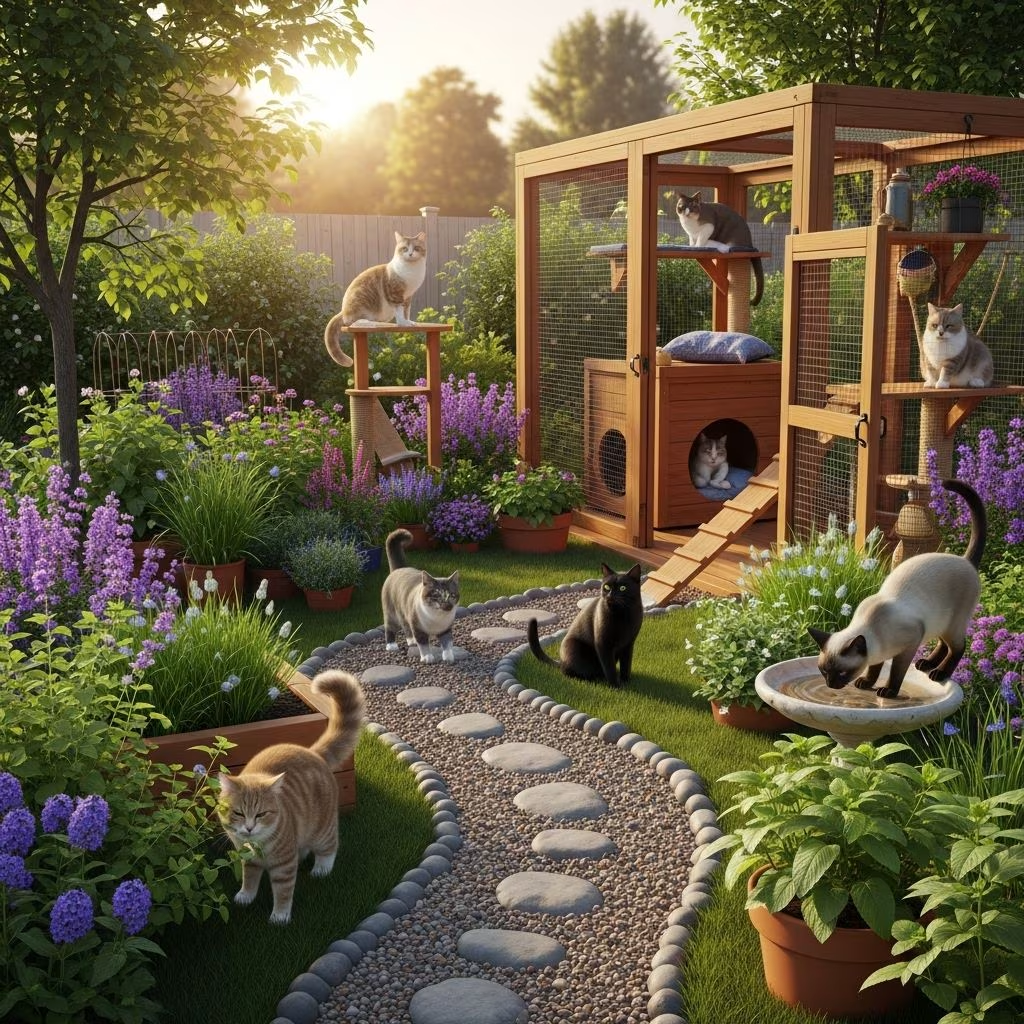
How to Create a Cat Garden: Complete Guide
Creating a cat garden is an excellent way to provide your feline friend with a safe, enriching outdoor space where they can explore, play, and relax. A well-designed cat garden considers your cat’s natural instincts and needs, from climbing and hunting to hiding and sunbathing. Whether you have a large backyard or a small patio, you can design a cat garden that keeps your pet entertained and secure while maintaining the beauty of your outdoor space.
Understanding Your Cat’s Needs
Before diving into the design process, it’s essential to understand what cats naturally seek in their environment. Cats are cautious animals that avoid large open spaces where they feel vulnerable. They prefer to move along established pathways, using hedgerows and boundaries for protection. Your cat garden should provide multiple zones that fulfill different needs, including areas for active play, quiet rest, and safe exploration.
The foundation of any cat garden is recognizing that cats think in three dimensions. Unlike dogs, cats view their environment vertically and horizontally, seeking high vantage points to observe their surroundings. This understanding should guide every aspect of your garden design, from plant selection to structural features.
Creating Open and Sheltered Spaces
A balanced cat garden includes both open sunny areas and sheltered spaces. Cats love sunbathing in warm, open areas where they can stretch out and absorb heat. Dedicate a portion of your garden to sunny spots, perhaps with smooth stone or grass where your cat can relax undisturbed.
Equally important are sheltered areas that provide protection from the elements. Trees and large shrubs create natural shelters where your cat can escape from wind, rain, and intense sun. Evergreen shrubs are particularly valuable because they provide year-round coverage. You can also create artificial shelters using:
- Wooden garden structures positioned to provide shade
- Garden umbrellas anchored on their sides
- DIY outdoor cat dens made from wooden fruit crates lined with soft blankets
- Commercial cat houses designed for outdoor use
Designing Hiding Places and Privacy Zones
Cats are naturally secretive creatures that need spaces where they can disappear from view. Hiding places make cats feel secure and help nervous felines become more comfortable in outdoor spaces. Dense plantings of heathers and lavenders create natural hiding spots that mature into private “forests” where your cat can retreat.
Divide your garden into smaller sections using strategic plantings rather than leaving it as one large open lawn. Use:
- Shrubs and hedges to create natural boundaries
- Trellis and climbing structures for vertical privacy
- Potted plants positioned to create secluded nooks
- Tall plants like giant sunflowers that provide both cover and visual interest
This compartmentalized approach gives your cat a sense of security while exploring the garden, as they can always find shelter nearby if they feel threatened or anxious.
Building Climbing Areas and Vantage Points
Cats are instinctive climbers who need vertical space to satisfy their natural behaviors. Providing climbing opportunities keeps your cat mentally stimulated and physically active. Strategic vertical elements include:
- Cat trees and tall furniture positioned throughout the garden
- Wooden ladders leaning against fences or walls
- Trellis and pergola structures for climbing and perching
- Tree platforms and shelving attached to fences and walkways
- DIY climbing walls constructed specifically for your cat
These climbing structures serve dual purposes: they provide exercise and mental stimulation while giving your cat elevated vantage points to survey the yard. Cats love observing their territory from high positions, and these lookout spots increase their confidence and sense of security.
Selecting Cat-Safe Plants
Plant selection is the most critical consideration when designing a cat garden. Many common garden plants are toxic to cats, so careful research is essential. Focus on non-toxic plants that won’t harm your cat if nibbled or ingested.
Excellent cat-safe plants for your garden include:
- Catnip (Nepeta cataria) – The classic feline favorite that attracts cats and encourages outdoor play
- Catmint – Similar to catnip, this bushy plant provides hiding and stalking opportunities
- Giant Sunflowers (Helianthus annuus) – These tall plants provide shade, cover, and visual interest while attracting birds for entertainment
- Actinidia Kolomikta (Kiwi Vine) – A climbing vine that many cats find as appealing as catnip
- Blue Mist Shrub (Caryopteris) – Offers privacy and shelter with attractive blue flowers
- Garden Cosmos (Cosmos bipinnatus) – Wispy growth that provides screening and visual appeal
- Lemongrass – A fragrant herb that stimulates cats with citrusy aromas
- Valerian – Another aromatic plant that attracts cats
- Echinacea (Cone Flowers) – Hardy, colorful, and safe for cats
- Black Eyed Susan – Cheerful flowers that add color to your garden
- Astilbe (Goat’s Beard) – Shade-loving plant perfect for part-shaded gardens
- Heuchera (Coral Bells) – Another excellent shade plant option
- Swedish Ivy – Provides trailing coverage and shade
- Purple Fountain Grass – Tall and bushy with attractive texture
- Weeping Willow – Dense trees that offer seclusion and movement for play
Always verify plant safety with your veterinarian before introducing new plants to your garden. Some plants may be safe for cats but include varieties that differ in toxicity levels.
Creating a Designated Toilet Area
One of the most practical considerations for a cat garden is providing a designated toileting area. Cats prefer sandy or loose soil substrates for their bathroom needs. Choose a location where your cat feels safe and secure, away from main activity areas.
Create an effective toilet zone by:
- Filling an area with sand, woodchips, or soil with good drainage
- Making it large enough for your cat to dig comfortably
- Surrounding it with plants or fencing for privacy
- Planting catnip around the area to attract your cat to the spot
- Scooping daily to maintain cleanliness and hygiene
- Covering flower beds with chicken wire or uncomfortable materials to discourage inappropriate elimination
- Installing motion-activated sprinklers to deter cats from defecating in unwanted areas
A well-designed toilet area prevents your cat from using flower beds or other garden spaces for their bathroom needs while satisfying their natural instinct for a designated potty area.
Providing Water and Hydration
Fresh water access is essential in any cat garden. Cats need consistent hydration, especially during warm months. Provide water through:
- A water bowl positioned in a shaded area
- A water fountain that encourages drinking through movement
- Multiple water stations placed throughout the garden
- Fresh, clean water changed daily
Position water sources away from toilet areas and preferably in cooler, shaded spots where your cat is more likely to drink regularly.
Adding Enrichment and Play Features
Enrichment features keep your cat mentally stimulated and physically active. These elements satisfy natural hunting and play instincts while providing entertainment during outdoor time.
Enrichment options include:
- Wand-type toys – Drag these through grass and shrubbery for interactive play
- String toys attached to branches – Hang strings with toys from low-hanging branches for climbing and pouncing practice
- Puzzle feeders – Provide mental stimulation through problem-solving, but remove leftover food to prevent attracting rodents
- Bird feeders – Position feeders to create “bird TV” entertainment that cats naturally enjoy watching
- Natural play materials – Grass, soil variations, bark chips, concrete, and sand offer exploration opportunities
- Moving vegetation – Weeping willows and tall grasses move in the wind, providing dynamic play stimulation
Ensuring Safety and Security
Protecting your cat from dangers and preventing escape requires thoughtful design elements. Several features help maintain a secure garden environment:
- Fencing – Install sturdy fencing that contains your cat safely
- Plastic fence spikes – Place these on top of fences to prevent other cats from entering and your cat from leaving
- Microchip cat flaps – Install in doors to prevent intruders while allowing your cat access
- Garden markers – Indicate boundaries using catnip or plants to establish territories
- Predator deterrents – Motion-activated sprinklers discourage stray cats from invading your garden
Create a chemical-free zone throughout your garden by avoiding pesticides, fertilizers, and other harmful substances that could poison your cat.
Planning Your Cat Garden Layout
Successful cat garden design begins with planning. Create a scale drawing of your outdoor space and identify:
- Areas of full sun and shade throughout the day
- Natural pathways your cat might take through the garden
- Spots where plants can create natural boundaries
- Locations for climbing structures and enrichment items
- Positions for water bowls and toilet areas
- Protected areas for vulnerable plants
This planning process ensures every element serves a purpose and maximizes your available space for feline enjoyment.
Indoor Cat Garden Alternative
If outdoor space is limited, consider creating an indoor cat garden using planters. Indoor gardens bring the outdoors into your home for cats who enjoy window watching. When selecting planters, choose ones tall enough for your cat to reach the plants but small enough to prevent them from using it as a litter box.
Use organic soil in indoor gardens to prevent pesticide exposure, and select only cat-safe plants. Window box planters work particularly well for indoor gardens, allowing your cat to enjoy plants while viewing the outside world.
Frequently Asked Questions
Q: What plants are toxic to cats and should be avoided?
A: Common toxic plants include lilies, daffodils, oleander, foxgloves, and yew. Always verify plant safety with your veterinarian before adding new plants to your garden.
Q: How can I keep other cats out of my cat garden?
A: Use plastic spikes on fence tops, install microchip cat flaps, place motion-activated sprinklers at boundaries, and scatter your cat’s feces around garden edges to mark territory.
Q: Is catnip necessary for a cat garden?
A: While not essential, catnip is highly attractive to most cats and encourages outdoor exploration. Plant it around toilet areas and throughout the garden for maximum enjoyment.
Q: How much space do I need for a cat garden?
A: Even small spaces can be designed for cats. Patios, balconies, and small yards can accommodate cat gardens with creative vertical design and strategic plant placement.
Q: How can I protect my existing plants from my cat?
A: Cover soil with chicken wire, use physical barriers around valuable plants, provide alternative digging areas, and select only cat-safe plants for your garden.
Q: Should I supervise my cat in the garden?
A: Supervision depends on your cat’s experience and your location. Secure outdoor spaces like catios eliminate the need for constant monitoring while allowing safe outdoor access.
Conclusion
Creating a cat garden combines thoughtful design with an understanding of feline behavior and needs. By providing open and sheltered spaces, climbing opportunities, safe plants, and enrichment features, you create an outdoor haven where your cat can safely express natural behaviors while enjoying fresh air and stimulation. Whether designing a large backyard garden or a small patio space, these principles help transform any outdoor area into a cat paradise that keeps your feline friend happy, healthy, and engaged.
References
- 12 Ways to Make a Cat-Friendly Garden — LawnStarter. https://www.lawnstarter.com/blog/landscaping/ways-to-make-cat-friendly-garden/
- Garden designs for your cat — Burgess Pet Care. https://www.burgesspetcare.com/blog/cat/garden-designs-for-your-cat/
- How to Make a Cat-Friendly Garden — Cats.com. https://cats.com/how-to-make-a-cat-friendly-garden
- A Beginner’s Guide for Creating an Indoor Cat Garden — American Lifestyle Magazine. https://americanlifestylemag.com/life-culture/family-pets/a-beginners-guide-for-creating-an-indoor-cat-garden/
- How to Create a Cat-Friendly Garden — Proven Winners ColorChoice. https://www.provenwinnerscolorchoice.com/how-to-create-a-cat-friendly-garden/
- Petscaping: Creating a Pet-Friendly Garden — Penn State Extension. https://extension.psu.edu/petscaping-creating-a-pet-friendly-garden/
- How to create a safe cat garden your cat can’t resist — Chirpy Cats. https://www.chirpycats.com/cat-safe-cat-garden/



