

How to Crate Train a Puppy: A Complete Expert Guide
Bringing home a new puppy is an exciting time, but it comes with challenges—especially when it comes to potty training and behavioral management. One of the most effective tools in a puppy parent’s arsenal is crate training. When done correctly, crate training simplifies the housetraining process while providing your puppy with a secure, comfortable space of their own. The key to success is introducing the crate gradually and allowing your dog to develop positive associations with their new den on their own terms.
What Is Crate Training?
Crate training is the process of helping your dog learn to spend time in their crate and ultimately adopt it as their personal space in your home. This training method taps into your puppy’s natural instincts and psychological needs. Dogs have a natural denning instinct—they’re drawn to safe, enclosed spaces that mimic the dens their ancestors used for protection and rest.
One of the most important aspects of crate training is understanding that it leverages your puppy’s inherent cleanliness. Dogs are naturally inclined to keep their sleeping area clean and won’t soil where they sleep. This biological tendency makes crate training an invaluable tool for housetraining, as puppies will work hard to avoid having accidents in their crate.
Why Is Crate Training Important for Your Puppy?
Many new dog owners worry that crate training might be cruel or confining, but the reality is quite different. When used properly, your dog’s crate won’t feel like a cage—it will feel like home. A well-implemented crate training routine offers numerous benefits for both you and your puppy.
Giving Your Dog a Space of Their Own
Puppies benefit tremendously from having their own designated space. By picking an appropriately sized crate and taking time to gradually introduce your dog to it, you help them view the crate as a comfy refuge. Dogs typically prefer protected areas when bedding down, so a crate taps into that natural inclination to rest in a safe space. This sense of security becomes invaluable as your puppy navigates a new environment and learns to manage stress.
Encouraging Potty Training
One of the biggest benefits of crate training is that it helps streamline the housetraining process. Since most puppies won’t soil where they sleep, the crate naturally encourages bladder and bowel control. This makes it easier for you to establish a consistent potty routine and recognize when your puppy needs to go outside.
Preventing Destructive Behavior
Beyond potty training, crates also contain your puppy and keep them out of mischief. Puppies are naturally curious and can get into dangerous situations—chewing on electrical cords, swallowing foreign objects, or accessing toxic substances. A crate provides a safe containment space when you can’t directly supervise your pup.
How Big Should a Dog Crate Be?
Choosing the correct size is one of the most important considerations when figuring out how to crate train a dog. Your dog crate should be large enough so that your dog can stand up, turn around, and lie down comfortably, but not much bigger. This “Goldilocks” sizing is critical for successful crate training.
Although it’s tempting to purchase an oversized crate to give your pup more room, doing so can derail the potty-training process by giving your pup the space to go to the bathroom at one end while staying dry in the other. An appropriately sized crate encourages your puppy to hold their bladder because they won’t want to eliminate near their sleeping area.
As your puppy grows, you may need to upgrade to a larger crate. Many pet parents purchase dividers designed specifically for crates to accommodate growing puppies without needing to buy multiple crates throughout your dog’s life.
Essential Crate Training Supplies
Before you begin crate training, gather the right supplies to make the experience comfortable and positive for your puppy. Having these items on hand will make the training process smoother and more enjoyable.
Crate Mat or Bedding
A simple crate mat like a microfiber dog crate mat is a good choice for pups still acclimating to the crate. The soft, cushioned surface makes the crate more inviting and comfortable. Bedding also helps absorb moisture in case of accidents during the early stages of training. Choose washable options that can be easily cleaned and refreshed.
Treats
Tasty snacks are an important part of the crate introduction process and any other type of training you want to do with your pup. Small savory treats help reinforce the idea that good things happen inside the crate. Save special, highly-valued treats specifically for crate training to maintain their motivational power. Soft treats that can be consumed quickly work best, as they don’t create distractions from the training process.
Toys and Busy Toys
Engaging toys are essential for keeping your puppy entertained and content inside the crate. Busy toys stuffed with treats or food puzzles extend playtime and mental stimulation. Kong-style toys or similar puzzle feeders can keep your puppy occupied for extended periods, making crate time feel like a reward rather than a punishment.
Placement Considerations
Where you place the crate matters significantly. Keep the crate in a common room in your house where your family spends time—not in the basement, garage, or isolated area. This placement prevents your puppy from viewing the crate as banishment and allows them to feel connected to their family while still having their own space.
How to Crate Train a Dog: Step by Step
One of the secrets to kennel training success is giving your dog plenty of time to feel comfortable inside the crate before closing the door and leaving them alone for the first time. The goal is for your pup to have a positive association with being inside, so that the crate feels like a safe and comfortable resting spot—and you can’t rush that feeling.
Step 1: Introduce the Crate
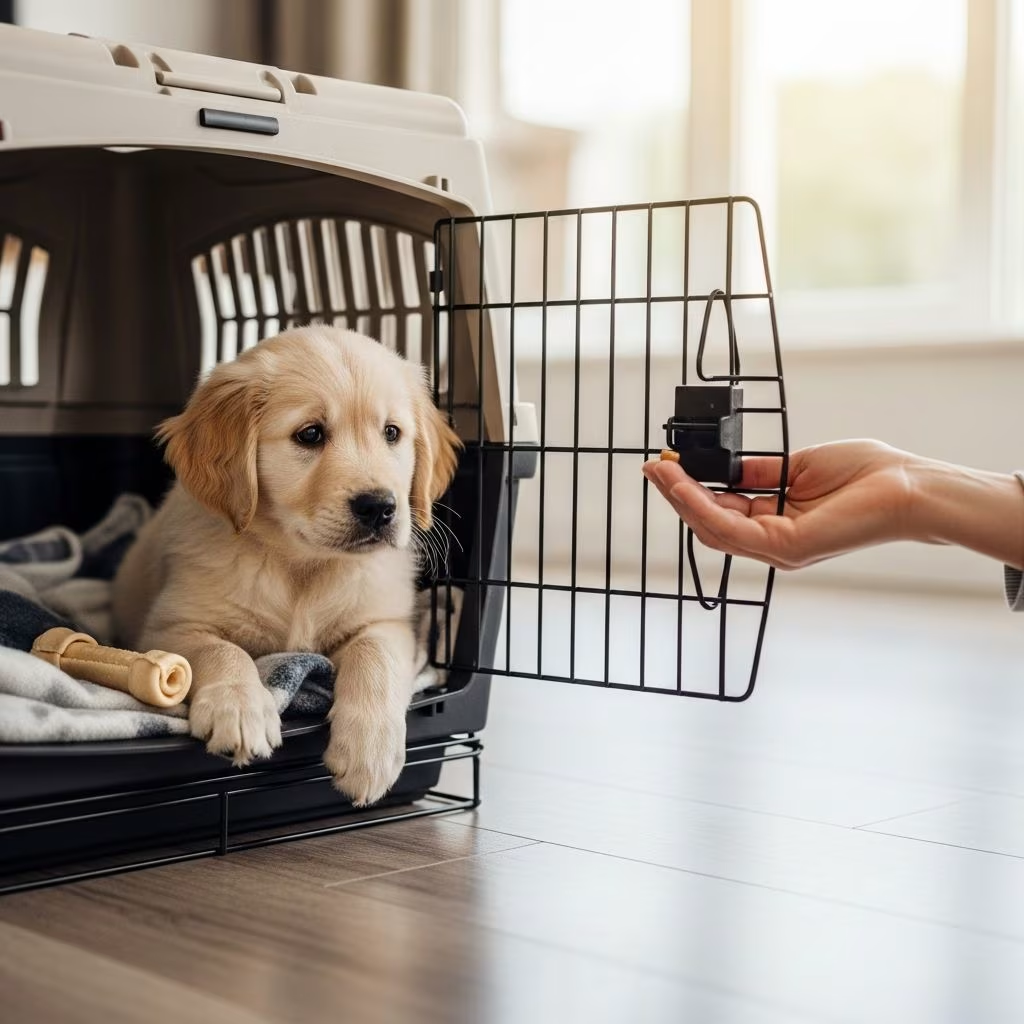
Start off the crate training process by keeping the crate door open and letting your pup explore it at their own pace. This initial step is crucial and requires patience. Place treats just inside the crate entrance, then gradually move them deeper inside, encouraging your puppy to venture further in.
Toss a treat inside and praise your dog when they go in to eat it, then give them another while they’re in the crate. You can also entice your dog with a busy toy stuffed with treats—anything to make that crate as appealing as possible. Stay happy and upbeat as your puppy explores, making sure to give lots of praise and encouragement when they go inside.
At this stage, keep the door open and let the choice to enter the crate be entirely up to your pup. Don’t force them if they seem reluctant. This voluntary exploration builds confidence and positive associations. Practice this step as many times as necessary for your dog to get comfortable in the crate, which might take several days or even weeks depending on your individual puppy.
Step 2: Practice Closing the Door
Once your pup has made a positive association with going into the crate, they’ll be ready for slightly longer sessions inside. This transition requires careful timing to maintain positive associations.
First, have a play session with your dog and take them outside for a potty break—that’ll help them settle down when it’s crate time. A tired, relieved puppy is much more likely to rest contentedly in the crate. Then, provide a lightly stuffed busy toy for them to enjoy inside the crate.
Stay nearby as they enjoy the goodies, and experiment with closing the door while your pup is enjoying the toys and treats inside. Keep the door closed for just a few seconds initially, then open it while your puppy is still focused on their toy. Your goal is to build a pattern where your puppy doesn’t even notice the door closing because they’re too focused on the reward inside.
Gradually increase the duration the door stays closed during subsequent sessions. This slow progression ensures your puppy never feels trapped or anxious about the closed door.
Step 3: Step Away Briefly
In subsequent closed-door sessions, try leaving the room once your dog is focused on the toy. This step teaches your puppy that you’ll return even when you’re not visible. Listen at the door for whines or barks that tell you your pup is ready to come out. Don’t let them whine excessively, as you want to reward calm behavior, not anxiety.
Your dog may surprise you by settling into the crate easily. In fact, if you time your play session, potty break, and crate time properly, you might just return to discover a napping pup in the crate. This is the ideal outcome—your puppy has learned that the crate is a comfortable place to rest.
If your puppy whines when you leave, wait for a moment of quiet before returning and opening the crate. This teaches them that calmness, not whining, results in release.
Step 4: Work Up to Longer Stays
If your dog is okay with you stepping away briefly, try leaving for increasing amounts of time: one minute, then five minutes, then 10. The gradual progression is essential for building your puppy’s confidence and their ability to self-soothe. Increasing duration too quickly can cause setbacks and anxiety.
If your pup remains content inside, try leaving the house for a short period of time. You can use a pet camera to check in on them while you’re away, providing peace of mind and allowing you to intervene if needed. Over time, work up to giving your puppy longer periods in the crate until they’re happy to hang out inside while you’re not around.
This progression might take weeks or even months, depending on your individual puppy. Some puppies take to crate training naturally, while others need more time and patience.
Important Tips for Successful Crate Training
Never Rush the Process
The trick to successful crate training is introducing the crate gradually without rushing your dog to adjust to it before you leave them in it alone. Let them settle into the crate on their own terms, and your pup will repay you with calm and happy crate time for years to come. Patience in the early stages prevents anxiety and resistance later.
Stay Positive and Upbeat
Maintain an enthusiastic, positive demeanor throughout the training process. Your puppy picks up on your energy and emotions. If you’re tense or worried about leaving them, they’ll sense that anxiety and become anxious themselves. Approach each training session with calm confidence.
Avoid Forcing Your Puppy
Never force your puppy into the crate or physically restrain them. This creates negative associations and can lead to crate anxiety or aggression. Always allow your puppy to enter voluntarily, especially in the early stages of training.
Use the Crate Positively
The crate should always be associated with positive experiences—treats, toys, rest, and safety. Never use the crate as a punishment. If your puppy learns to fear the crate, all your training progress will unravel.
Common Mistakes to Avoid
Understanding what not to do is just as important as knowing the right steps. Many well-intentioned puppy parents make mistakes that undermine their crate training efforts.
Oversized Crates: As mentioned earlier, purchasing a crate too large for your puppy defeats the purpose of crate training. The right size is essential for success.
Too Much Time in the Crate: Puppies have limited bladder control and need frequent bathroom breaks. Leaving a puppy crated for longer than they can physically hold their bladder sets them up for failure and creates negative associations.
Leaving Unsafe Items: Never leave your puppy in the crate with anything they haven’t tried before or anything that could be a choking hazard. Thoroughly test all toys and treats before crating.
Inconsistent Routine: Crate training thrives on consistency. Establish a predictable routine for crate time, potty breaks, play, and meals. This predictability helps your puppy understand expectations.
How Long Can Puppies Stay in a Crate?
Understanding appropriate crate time is essential for ethical crate training. Puppies have developing bladder control and genuine physical limitations on how long they can hold their urine and feces. A general guideline is that puppies can hold their bladder for approximately one hour per month of age, plus one additional hour. So a three-month-old puppy can typically hold their bladder for about four hours.
During the day, most puppies should not be crated for longer than this timeframe. Longer durations are possible at night, especially once your puppy is sleeping through the night naturally. As your puppy matures, their bladder capacity increases, and they can spend longer periods in the crate.
Frequently Asked Questions About Puppy Crate Training
Q: At what age should I start crate training my puppy?
A: You can begin introducing the crate as soon as your puppy comes home, typically around 8-12 weeks of age. The earlier you start with positive associations, the more successful your training will be.
Q: Is crate training cruel or inhumane?
A: No. When done properly, crate training is humane and beneficial. Dogs have natural denning instincts and naturally prefer enclosed spaces. A crate provides security and safety, not confinement or punishment.
Q: What should I put in the crate?
A: Include a soft crate mat or bedding, a water dish (non-spillable), and safe toys. Avoid including items that could be choking hazards. You can also use puzzle toys stuffed with treats or food.
Q: How do I handle nighttime crate training?
A: Place the crate in your bedroom near your bed initially. This helps your puppy feel secure and allows you to quickly take them outside for nighttime potty breaks. Gradually move the crate farther away as your puppy becomes confident.
Q: What if my puppy has an accident in the crate?
A: Accidents happen, especially early in training. Clean thoroughly with enzymatic cleaner to remove odor traces. Don’t punish your puppy—instead, ensure you’re not leaving them crated longer than their bladder capacity allows.
Q: Can I use the crate for punishment?
A: Absolutely not. Using the crate as punishment creates negative associations and can lead to crate anxiety. The crate should always be associated with safety, comfort, and positive experiences.
Q: How long does crate training take?
A: The timeline varies by puppy. Some puppies adapt within days or weeks, while others need several weeks or months. Patience and consistency are more important than speed.
Q: Should I use a crate for an adult dog?
A: Yes. Crate training isn’t just for puppies. Adult dogs can benefit from crate training for travel, vet visits, safety, and creating a personal retreat space.
References
- How to Crate Train Your Puppy: Step-by-Step Guide from an Expert — Chewy Education. 2025. https://www.chewy.com/education/dog/new-dog/how-to-crate-train-a-puppy-a-step-by-step-guide-from-an-expert
- Puppy Training 101: Your Guide to Training Your Puppy — Chewy Education. 2025. https://www.chewy.com/education/dog/new-dog/basic-puppy-training
- 7 Common Puppy Training Mistakes — Chewy Education. 2025. https://www.chewy.com/education/dog/new-dog/7-common-puppy-training-mistakes
- Canine Behavior and Training Principles — International Association of Canine Professionals (IACP). 2024. https://www.iacp.org
- Understanding Dog Behavior: Denning Instincts and Crate Training — Certification Council for Professional Dog Trainers (CCPDT). 2024. https://www.ccpdt.org



