

How to Crate Train a Puppy or Dog: A Complete Guide
Crate training is one of the most valuable skills you can teach your puppy or dog. Whether you need to transport your pet to the veterinarian, groomer, or during travel, a well-crate-trained dog makes these experiences significantly easier and less stressful for both you and your furry companion. Beyond practical purposes, crate training provides your dog with a safe haven—a personal space where they can retreat to feel secure and protected. The key to successful crate training lies in patience, consistency, and making the crate a positive place that your dog wants to enter and spend time in.
Setting Up Your Dog’s Crate for Success
Before you begin the training process, proper crate setup is essential. The location and environment you create will directly influence how quickly your dog adapts to crate training.
Choosing the Right Location
Position the crate in a quiet area of your home where your dog won’t be constantly disturbed. This quiet space allows your dog to feel calm and secure while exploring the crate for the first time. Avoid placing it in high-traffic areas where family members are constantly coming and going, as this can create unnecessary distractions during the training process.
Making the Crate Inviting
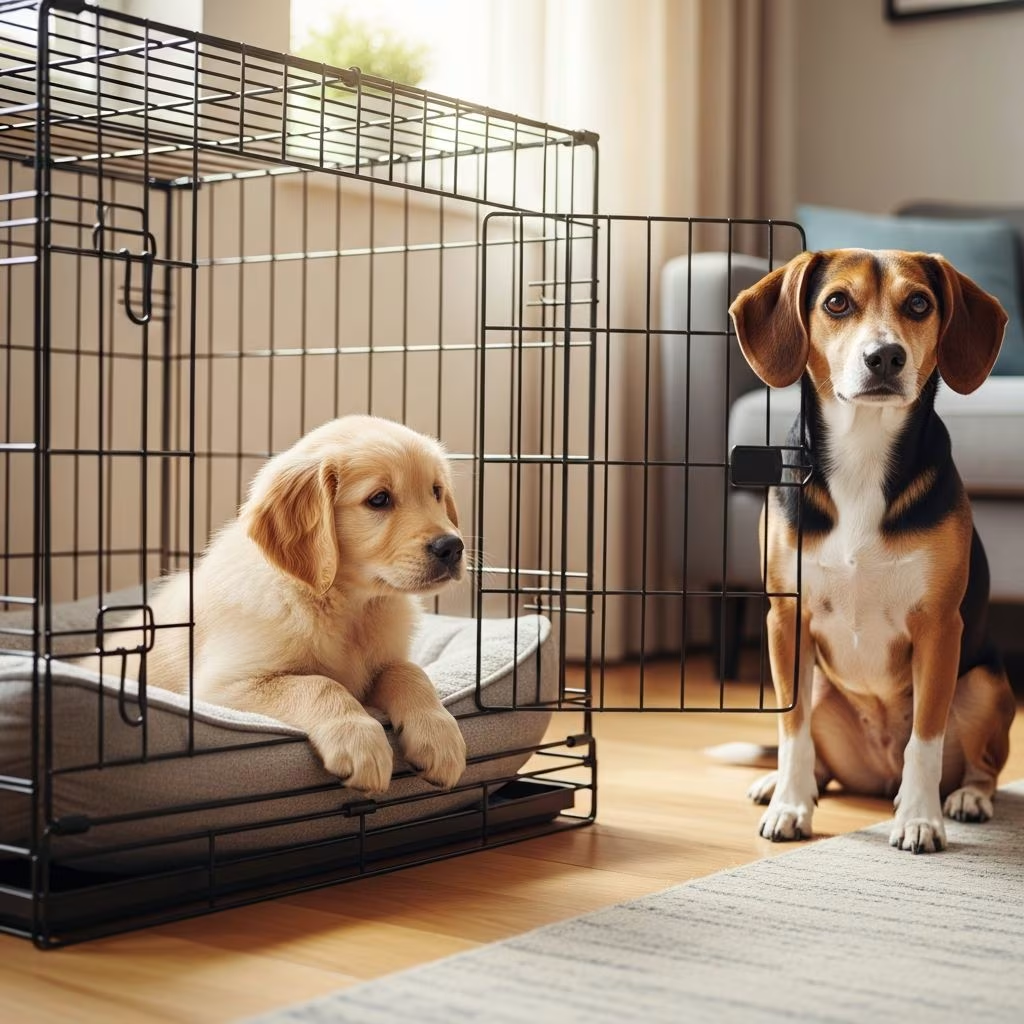
Place your dog’s favorite blanket or bed inside the crate to make it comfortable and inviting. This familiar item carries your dog’s scent and creates a cozy atmosphere. You might also add soft toys or padding to enhance the comfort level. Keep the crate door open initially so your dog can explore at their own pace without any pressure or anxiety.
The Step-by-Step Crate Training Process
Successful crate training follows a gradual progression that respects your dog’s individual comfort level and learning pace.
Step 1: Allow Your Dog to Explore
Start by letting your dog explore the crate independently. This exploration phase is crucial—your dog needs to understand that the crate is a safe, non-threatening space. Watch for any movement toward the crate, even the smallest gesture. When your dog moves toward it or places their nose inside, use a clicker (if you’re clicker training) to mark the behavior and immediately reward them with a high-value treat. This positive reinforcement creates an immediate association between the crate and good things.
Continue marking and rewarding as your dog puts progressively more of their body inside. For example, if they start by just poking their nose in, wait until they place their whole head or a leg inside before marking and rewarding. This gradual progression prevents overwhelming your dog and builds confidence step by step. Some dogs will enter the crate quickly while others may be hesitant and take longer—this is completely normal.
Step 2: Add a Verbal Cue
Once your dog is consistently entering the crate on their own, it’s time to add a verbal cue. Choose a command like “kennel up,” “crate,” or another term you prefer. This cue should be used exclusively for this behavior to maintain its meaning and effectiveness. After several training sessions where your dog enters the crate reliably, open the crate door and give your chosen cue.
If your dog doesn’t respond and doesn’t enter, wait several seconds and offer the cue again. If they still don’t go in, don’t continue repeating the cue—this will cause the command to lose its meaning and effectiveness. Instead, go back a step in your training process and work on building more positive associations before reintroducing the cue.
Step 3: Close the Door and Build Duration
Once your dog reliably responds to your cue and enters the crate, the next step involves closing the door. Give the cue for your dog to enter, then close the door. If your dog settles and remains calm, immediately open the door and reward them with a treat. Repeat this process multiple times during training sessions.
Gradually work up to keeping the door closed for longer periods. Progress to leaving the room briefly while your dog is crated, then returning to release them with a reward. This slow progression helps your dog understand that you will always return and that being crated is not a punishment.
Step 4: Practice and Consistency
All skills need consistent practice to become reliable. Continue practicing crate training regularly, even if you don’t plan to crate your dog daily. This ongoing practice ensures the behavior remains solid and your dog doesn’t regress in their training.
Tips for Hesitant Dogs
If your dog is hesitant to enter the crate at all, modify the process by tossing a high-value treat inside at each progressive step. The treat serves as additional motivation. Toss the treat in, mark once your dog enters to retrieve it, and the reward is already waiting inside the crate. This technique often helps reluctant dogs overcome their initial anxiety about the crate.
Building Positive Associations Through Meals
Feeding your dog meals inside the crate is one of the most effective ways to build positive long-term associations with crate time.
Gradual Transition to Crate Feeding
Begin by placing your dog’s food bowl as close to the crate as your dog will comfortably go. Over the course of several meals, gradually move the bowl closer to the crate entrance. When your dog is relaxed about eating near the crate, begin placing the meal just inside the crate opening.
Continue moving the food bowl toward the back of the crate over several additional meals until your dog is entering the crate completely to eat their meal. This gradual process ensures your dog doesn’t feel rushed or anxious. If your dog still needs to work on spending longer durations in the crate after this process, proceed back to step one of the crate-training process using food lures.
Extending Crate Time and Preparing for Your Work Day
Once your dog is comfortable entering and spending time in the crate, gradually increase the duration they spend inside.
Progressive Duration Building
Start with short periods and slowly extend them over multiple training sessions. Include sessions where you leave the house for brief periods while your dog is crated with a Kong toy or food puzzle to keep them mentally stimulated. These enrichment items make crate time more enjoyable and help prevent boredom.
If you need to crate your dog during your work day, build up to that duration gradually rather than suddenly leaving them crated for extended periods. A dog that hasn’t been gradually acclimated to longer crating durations may develop separation anxiety or other behavioral problems.
Proofing the Behavior: Generalizing Training
Proofing in dog training means teaching your dog to understand and follow the crate command in different contexts, including different people and locations. This step is essential for real-world reliability.
Training With Different People
Have different family members and friends give your dog the “crate” cue and reward your dog for entering. This teaches your dog that the command means the same thing regardless of who delivers it. If your dog initially doesn’t respond to the cue from someone other than yourself, that person can toss a treat into the crate to help motivate entry.
Practicing in Different Locations
If you travel with your dog and their crate, practice by moving the crate to different rooms throughout your house. Have your dog spend short periods in the crate in each location and gradually increase the duration. If possible, bring your dog and crate to a friend’s house and practice crate time there. Repeat this process in multiple locations until your dog is comfortable and confident entering the crate wherever you go.
Establishing a Bedtime Routine
Crate training can support your nighttime routine and help with house training efforts.
Evening Crate Protocol
Feed your dog dinner and allow time for a normal bathroom break. Then wait until bedtime for one final potty break. For some dogs, you may need to pick up water bowls one to two hours before bedtime to prevent excessive water intake and middle-of-the-night bathroom needs.
At bedtime, place your dog in the crate with a treat and deliver your chosen cue (such as “kennel”) in a cheerful, upbeat voice to keep the experience positive. Position the crate close to your bed so you can hear your dog if they whine or whimper, indicating they need to eliminate during the night. This proximity also helps your dog feel secure knowing you’re nearby.
What Not to Do: Common Mistakes to Avoid
Never Force Your Dog Into the Crate
The fundamental goal of crate training is to make the crate a safe, happy place where your dog genuinely wants to go and spend time. Forcing your dog into the crate undermines this goal and can create lasting negative associations. If your dog appears anxious or unhappy about being in the crate at any point during training, take a break and return to the previous step in the training process.
Respecting Your Dog’s Pace
Remember that crate training can happen quickly for some dogs or might take considerable time depending on your individual dog’s comfort level and past experiences. There is no fixed timeline—some dogs become crate-trained within days while others need weeks. Patience and consistency are more important than speed.
Frequently Asked Questions
How long should I leave my dog in the crate?
Start with just a few minutes and gradually increase duration. Adult dogs can typically be crated for the number of hours equal to their age in months (up to 8 hours maximum). Puppies have smaller bladders and should be let out more frequently. Never leave a dog crated for excessive periods without bathroom breaks.
What should I put in the crate?
Include comfortable bedding, toys, and chew items like Kongs stuffed with treats or peanut butter. These items make the crate more inviting and help keep your dog mentally stimulated during crate time.
Can crate training help with house training?
Yes, crate training is instrumental in house training. Dogs naturally avoid soiling their sleeping area, so a properly crate-trained dog is less likely to have accidents when confined to the crate. The key is ensuring appropriate duration based on your dog’s age and bladder control.
What if my dog has had a negative crate experience?
If your dog has previously had a bad experience with a crate, such as being taken to the vet, it may take extra effort to rebuild positive associations. Start from the beginning of the training process using especially tasty, high-value treats and entice your dog to enter the crate multiple times daily for brief periods until they’re comfortable again.
Is crate training cruel?
When done correctly, crate training is not cruel—it actually provides dogs with a secure, den-like space they find comforting. However, crate training becomes problematic only if used as punishment, if a dog is crated for excessive periods, or if the dog is forced into the crate without proper conditioning.
Conclusion
Crate training is a valuable life skill that benefits both you and your dog. Through patient, consistent training using positive reinforcement, you can teach your dog to view the crate as a safe haven rather than a place of confinement. Whether you need the crate for veterinary visits, travel, emergency situations, or simply providing your dog with a secure space, proper crate training makes all the difference. Follow these steps at your dog’s individual pace, celebrate small victories, and remember that the goal is to create a positive, lifelong association with the crate.
References
- How to Crate Train a Puppy or Dog — Best Friends Animal Society. 2024. https://bestfriends.org/pet-care-resources/how-crate-train-puppy-or-dog
- Video: How to Crate Train Your Dog — Best Friends Animal Society. 2024. https://bestfriends.org/pet-care-resources/video-how-crate-train-your-dog



