

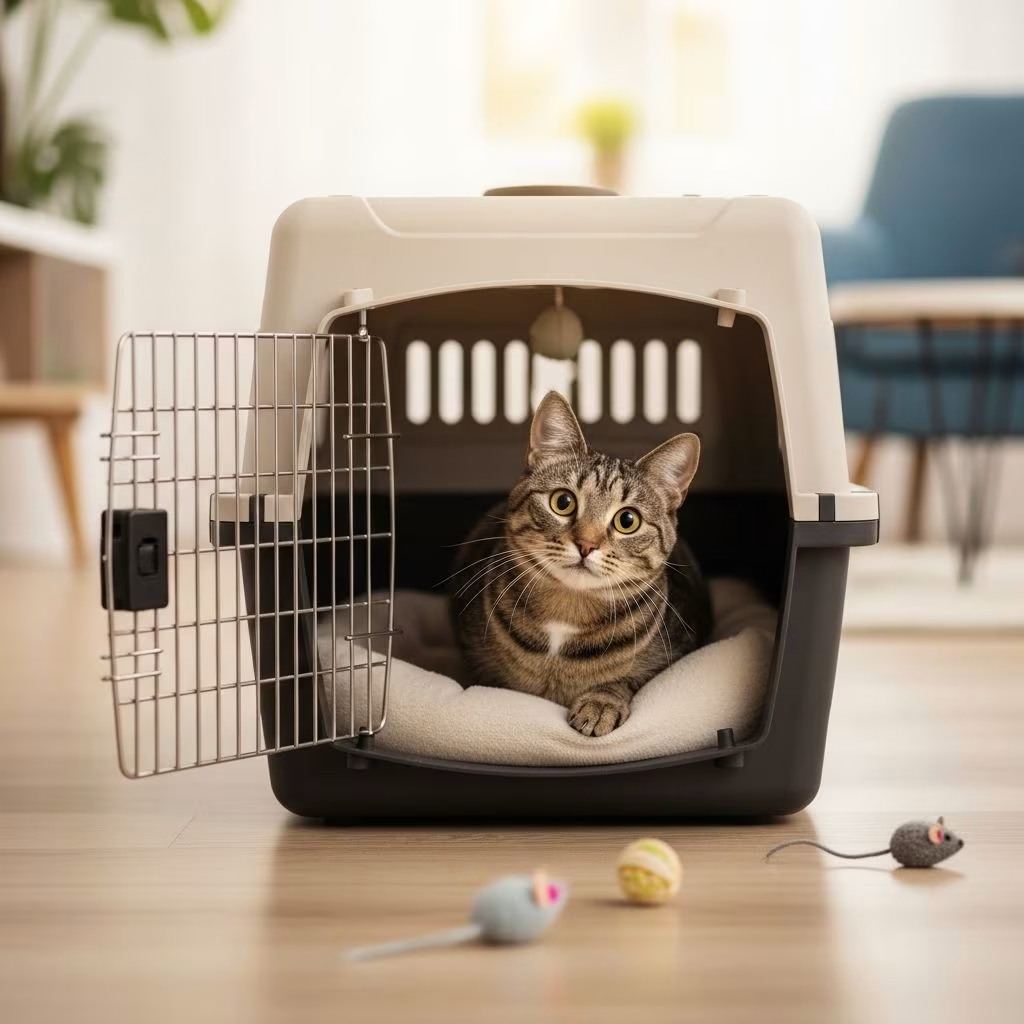
While crate training is more commonly associated with dogs, it offers significant benefits for cats too, particularly for safe transportation to the vet, grooming, or travel. A well-trained cat views the crate as a secure retreat rather than a prison, reducing stress during unfamiliar situations. This guide provides eight vet-approved strategies to help your cat embrace their crate willingly.
Note that cat crates are designed for short-term transport, not prolonged confinement. They ensure safety during car rides by preventing distractions or escapes, which is crucial for both pet and driver welfare.
The 8 Tips for Crate Training a Cat
These step-by-step tips, drawn from veterinary expertise, can be used alone or in combination to make the crate appealing. Patience and positive reinforcement are key, as forcing your cat can create lasting aversions.
1. Move Meals Inside
Begin by associating the crate with positive experiences like mealtime. Leave the door open and place your cat’s food bowl or a trail of favorite treats leading into the crate. Gradually position meals deeper inside to encourage entry.
If your cat hesitates, start with the bowl just inside the door, far enough to draw them closer without feeling trapped. This method leverages their natural drive for food, building comfort over days or weeks. Kittens respond especially well due to their curiosity.
2. Close the Crate Door
Once your cat enters voluntarily, offer a treat or toy to keep them occupied inside. While they’re engaged, gently close the door for a few seconds, then reopen it. Gradually extend the closed-door time as they relax.
Monitor for stress signals like meowing or pawing; if present, shorten intervals to mere seconds and reassure with your voice. This desensitizes them to confinement, preventing panic during real transport.
3. Add a Cue
Introduce a consistent verbal command like “crate time” or “kennel up” each time you encourage entry with treats. Repeat this cue during meals or play inside the crate. Over time, your cat will associate the word with positive rewards, entering on cue without force.
This classical conditioning technique, similar to litter training, strengthens reliability. Use a cheerful tone to maintain positivity, avoiding any scolding that could undermine trust.
4. Encourage Exploration
Place the open crate in a high-traffic area of your home, like the living room, with familiar bedding, toys, or catnip inside. Allow free access so they investigate at their pace. Sprinkling pheromone sprays can further reduce anxiety for timid cats.
For kittens, this mimics natural exploration play, fostering voluntary use. Adult cats may take longer but benefit from daily exposure.
5. Be Mindful of Associations
Cats link crates to negative events like vet visits if only used then. Counter this by short, neutral trips: place them inside and move to another room, or take a brief drive around the block before returning home with treats.
Gradually introduce enjoyable outings, like to a cat-friendly park. This reconditions their response from dread to neutrality or positivity, essential for multi-cat households or frequent travelers.
6. Build on Repetition
Consistency is vital—practice daily for at least two weeks. Start with 1-2 minute sessions, progressing to 10+ minutes. Once comfortable, lift and carry the crate gently, speaking soothingly, then release with rewards.
Advance to car familiarization: secure the crate, sit inside for minutes, then return indoors. Repetition rewires their brain to view the crate as routine and safe, minimizing meltdowns on real trips.
7. Practice Car Rides
After home success, simulate travel: place the crated cat in the secured car, engine off, offering treats through bars. Progress to short drives, always ending positively. Avoid long sessions initially to prevent overwhelm.
This bridges training to real-world use, where legal standards mandate crating for safety. Cats trained this way often nap calmly during actual journeys.
8. Try a Large & Comfortable Crate
Size matters for acceptance—a cramped crate heightens stress. Opt for a spacious model (like a large dog crate) allowing standing, turning, litter box, bed, food/water dishes, and play space. Add non-slip mats, soft bedding, and covered sides for security.
For extended needs (e.g., recovery), ensure ventilation and monitoring. Comfort converts skeptics into crate lovers.
Why Crate Training Matters
Beyond travel, crates provide safety during moves, repairs, or boarding. They prevent escapes and offer stress relief in new environments. Kittens benefit from crating for litter training—confine with box, food, and bed to reinforce habits quickly, typically in weeks.
However, limit unsupervised time to 1-2 hours max, except for young kittens who tolerate longer. Watch for distress like vomiting or elimination outside the box; consult a vet if persistent.
Tips for Success Across Life Stages
- Kittens: Start early; their pliability makes training swift. Use play drives with toys inside.
- Adults: Be patient; negative histories require more counter-conditioning.
- Seniors: Prioritize comfort; larger crates accommodate mobility needs.
Spay/neuter, routine grooming, and stable feeding enhance trainability by reducing stress.
Common Challenges and Solutions
| Challenge | Solution |
|---|---|
| Cat refuses entry | More treats/catnip; never force. |
| Meowing/scratching | Ignore calm behavior, reward silence; shorten sessions. |
| Post-vet aversion | Neutral short trips first. |
| Space constraints | Upgrade to larger crate. |
Frequently Asked Questions (FAQs)
Q: How long does crate training take?
A: Most cats adapt in 2-4 weeks with daily practice; kittens faster, resistant adults longer.
Q: Can I crate my cat during the day?
A: Only briefly (1-2 hours) unsupervised; ideal for safety during events, not routine.
Q: What if my cat shows severe stress?
A: Stop, let out calmly, consult vet; pheromones or meds may help.
Q: Is crate training necessary?
A: Yes for safe travel; laws require carriers in cars.
Q: Best crate size for adults?
A: Large enough for litter, bed, dishes; dog-sized works well.
Crate training transforms a potential battle into a breeze, enhancing your cat’s quality of life. Persistence pays off—your cat will thank you with calmer vet visits and happier adventures.
References
- How to Crate Train My Cat: 8 Vet-Approved Tips — Catster. 2023. https://www.catster.com/lifestyle/how-to-crate-train-my-cat/
- Can I Crate My Cat During the Day? Vet-Approved Tips & FAQ — Catster. 2023. https://www.catster.com/cat-health-care/can-crate-a-cat-during-the-day/
- How to Train Your Cat: Vet-Approved Cat Training Guide — Catster. 2023. https://www.catster.com/cat-health-care/how-to-train-your-cat/
- Carrier Training Your Cat — Rita Reimers. 2023. https://ritareimers.com/cat-behaviors/carrier-training-your-cat/
- Cat Behavior — Catster. 2023. https://www.catster.com/category/cat-behavior/



