

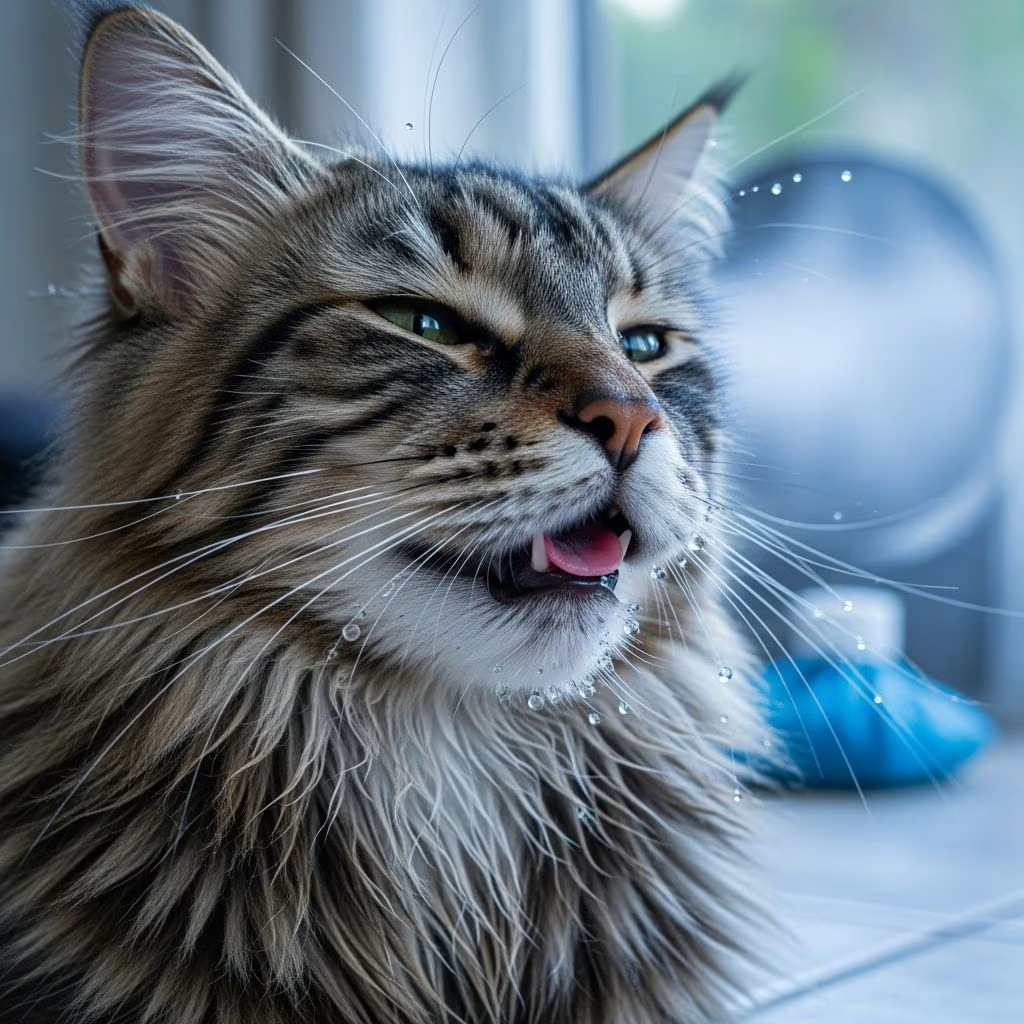
Cats overheat quickly in warm weather due to limited sweating, relying on panting, grooming, and seeking cool surfaces for thermoregulation. Understanding these mechanisms and implementing practical strategies can prevent heat-related issues like heatstroke.
Table of Contents
- Cat Cooling Mechanisms
- Signs of Overheating in Cats
- 10 Ways to Cool Down Your Cat
- What to Do If Your Cat Has Heatstroke
- Prevention Tips for Hot Weather
- Frequently Asked Questions
Cat Cooling Mechanisms
Unlike humans, cats do not sweat through their skin extensively; they have sweat glands mainly in their paw pads. Instead, they use several natural methods to regulate body temperature, known as thermoregulation.
- Panting: Cats pant to evaporate moisture from their lungs and airways, releasing heat. This is a primary cooling method but less efficient than in dogs.
- Grooming: Licking their fur spreads saliva, which evaporates and cools the skin. Regular grooming enhances this effect, especially in long-haired breeds.
- Seeking Cool Surfaces: Cats instinctively lie on hard, cool floors like tile or concrete to dissipate heat. They may stretch out to maximize contact.
- Behavioral Adjustments: They avoid peak sun hours, hide in shade, and reduce activity to conserve energy.
These mechanisms work well in moderate heat but fail during extreme temperatures above 85°F (29°C), when body temperature can rise dangerously from the normal 100.5–102.5°F (38–39.2°C).
Signs of Overheating in Cats
Recognizing early signs of overheating is crucial for timely intervention. Cats hide discomfort, so monitor behavior closely during hot spells.
| Early Signs | Advanced Signs (Heatstroke) |
|---|---|
|
|
Heatstroke occurs when core temperature exceeds 106°F (41°C), risking organ damage. Long-haired, obese, brachycephalic (flat-faced), elderly, or kitten cats are most vulnerable.
10 Ways to Cool Down Your Cat
Here are proven, vet-recommended methods to help your cat beat the heat. Combine several for best results.
Provide Plenty of Fresh, Cool Water
Place multiple bowls around the house, refreshing them several times daily. Add ice cubes or frozen treats like tuna-flavored ice for appeal. Cats dehydrate fast in heat, so encourage drinking by mixing water into wet food.
Create Shaded, Cool Indoor Spots
Block sunlight with curtains or UV-filter films. Set up areas with fans, AC, or open windows for airflow. Use breathable bedding on tile floors.
Use Cooling Mats or Pads
Gel-filled mats absorb body heat without refrigeration. Place in favorite spots; they’re safe, non-toxic, and reusable.
Groom Regularly
Brush daily to remove excess fur, aiding evaporation from grooming. Essential for long-haired cats to prevent matting that traps heat.
Damp Towels or Washcloths
Gently wipe paws, belly, ears, and armpits with cool (not ice-cold) water. Let evaporate for cooling. Avoid full baths unless vet-advised.
Frozen Towels or Ice Packs
Freeze a damp towel or wrap ice packs in cloth for safe cooling spots. Place near but not directly on your cat.
Circulate Air with Fans
Position box fans on floors or in carriers. Place a frozen bottle in front for chilled air. Keep AC at 70–78°F (21–26°C).
Limit Outdoor Time
Keep cats indoors during 10 AM–4 PM peaks. Provide shaded garden spots if outdoors, and check sheds/greenhouses.
Elevate Beds and Uncover Cool Floors
Use raised beds for airflow under. Roll up rugs to expose tile/kitchen floors where cats love to lounge.
Offer Hydrating Treats
Frozen wet food bits, fish, or meat cubes. Consult vet for diet changes.
What to Do If Your Cat Has Heatstroke
Act fast—minutes count. Do not submerge in ice water or use alcohol rubs, as they shock the system.
- Move to Cool Area: Shade, fans, or AC immediately.
- Lower Temperature Gradually: Wet with room-temp water, focus on paws, ears, groin. Use fans.
- Offer Water: Small sips if conscious; no forcing.
- Monitor Temp: Use rectal thermometer if possible; aim below 103°F before vet.
- Seek Vet Care: Call ahead; transport safely. IV fluids may be needed.
Prognosis improves with prompt action; delays can cause kidney failure or death.
Prevention Tips for Hot Weather
- Never leave cats in cars, even briefly—temps soar 20°F in minutes.
- Avoid conservatories/greenhouses; check before closing.
- Pave checks: Hot asphalt burns paws—test with hand.
- Indoor-only during heatwaves; microchip for escape risks.
- Annual vet checks for at-risk cats.
These habits ensure year-round comfort, especially in climate-changing summers.
Frequently Asked Questions
Can cats get heatstroke indoors?
Yes, closed rooms without ventilation can trap heat. Fans and water access are vital.
How often should I refresh my cat’s water in summer?
Several times daily, or use fountains for freshness. Ice cubes help maintain coolness.
Are cooling mats safe for cats?
Yes, gel mats are non-toxic and pressure-activated. Supervise initially.
What if my cat won’t drink in heat?
Mix water in food, offer frozen treats, or use pet fountains. Vet if persistent.
Can I shave my long-haired cat for cooling?
Not recommended without vet advice; fur insulates and protects skin. Brush instead.
This comprehensive guide empowers cat owners to safeguard their pets. Stay vigilant for happy, healthy summers.
References
- Beat the Heat: 8 Strategies to Keep Your Cat Cool — VAMVH. 2023. https://vamvh.com/beat-the-heat-8-strategies-to-keep-your-cat-cool/
- How To Keep A Cat Cool In Hot Weather — Vets Now. 2017-05-01. https://www.vets-now.com/2017/05/how-to-keep-cats-cool-in-summer-heat/
- How to Keep your Cat Cool in the Summer Heat — SeaTown Veterinary. 2023. https://seatownvet.com/how-to-keep-your-cat-cool-in-the-summer-heat/
- How to Keep Pets Safe During Extreme Heat: Tips for Dogs and Cats — American Humane. 2023. https://www.americanhumane.org/blog/how-to-keep-pets-safe-during-extreme-heat-tips-for-dogs-and-cats/
- Keeping Cats Cool in Summer — Purina Australia. 2023. https://www.purina.com.au/keeping-cats-cool-in-summer.html
- Keeping Your Cat Safe in Summer — RSPCA. 2023. https://www.rspca.org.uk/adviceandwelfare/seasonal/summer/cats



