

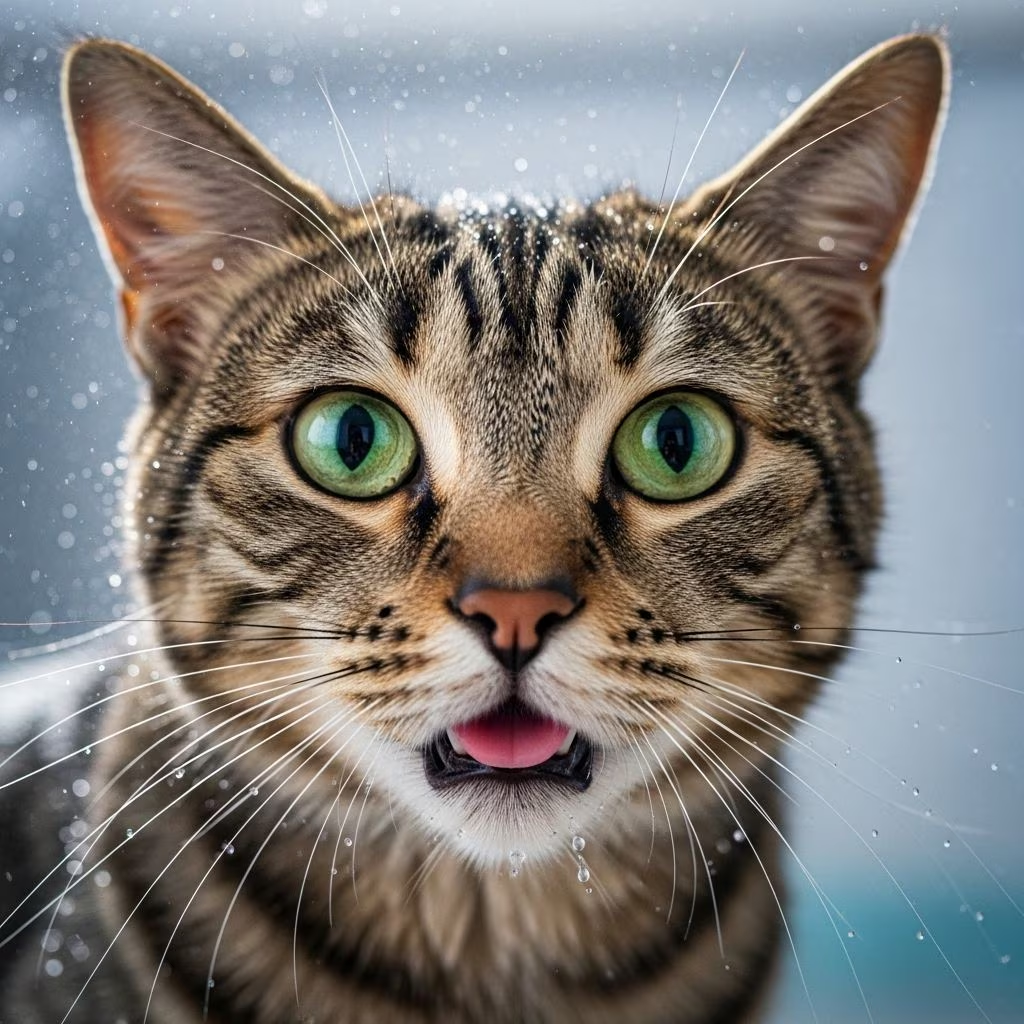
Cats overheat quickly in warm weather due to their limited cooling mechanisms, primarily panting, grooming, and seeking cool surfaces. Knowing how to cool a cat down fast can prevent heatstroke, a life-threatening condition where body temperature exceeds 104°F (40°C).
Recognizing Signs Your Cat Is Overheating
Early detection is crucial for safely cooling your cat. Watch for these common signs of overheating:
- Panting or rapid breathing: Cats rarely pant; it’s a primary distress signal as they evaporate moisture from lungs to release heat.
- Bright red gums and tongue: Indicates elevated body temperature and poor circulation.
- Lethargy or weakness: Your cat may seem unusually tired or reluctant to move.
- Excessive drooling or vomiting: Body’s attempt to regulate temperature through saliva evaporation.
- Seeking cool surfaces: Lying on tile floors or concrete to dissipate heat via contact.
- Sweaty paws: One of the few areas cats sweat, signaling distress.
If symptoms progress to disorientation, collapse, or seizures, it’s heatstroke—seek emergency vet care immediately.
Immediate Steps: How to Cool a Cat Down Fast
Act quickly but safely when cooling an overheating cat. Avoid ice or freezing water, which constricts blood vessels and traps heat.
1. Move to a Cool Area
Relocate your cat to the coolest room, ideally air-conditioned or with good airflow. Basements, bathrooms with fans, or tiled areas work best.
2. Offer Cool Water
Provide fresh, cool (not ice-cold) water in multiple bowls. Add ice cubes if your cat likes them, or use a pet fountain to encourage drinking. Small sips prevent vomiting.
3. Apply Cool, Damp Towels
Wet a towel with cool water and gently dab or place it on paw pads, ears, belly, neck, armpits, and groin—areas with blood vessels near the skin. Stroke with wet hands if your cat resists full towels. Fan the area to enhance evaporation.
4. Use Fans for Airflow
Position a fan to blow cool air over your cat, creating a breeze that aids evaporative cooling. Combine with damp towels for best results.
5. Cooling Products for Fast Relief
- Cooling mats/pads: Gel-filled mats absorb body heat; place in favorite spots.
- Frozen items: Wrap frozen water bottles or ice packs in towels; avoid direct contact.
- Cooling vests: Useful for supervised outdoor time.
Monitor temperature if possible; aim to reduce gradually to under 103°F before vet visit.
Distinguishing Overheating from Heatstroke
Overheating involves mild symptoms like panting in responsive cats; use home methods. Heatstroke shows severe signs (temp >104°F, collapse) requiring vet intervention with IV fluids, oxygen, and monitoring—home cooling is first aid only.
Prevention Strategies: Keep Your Cat Cool Long-Term
Prevent overheating with proactive measures, especially for brachycephalic breeds (Persians), seniors, or obese cats at higher risk.
1. Hydration Habits
Place multiple fresh water stations around home; refresh several times daily. Switch to wet food or add water to kibble. Frozen treats like kitten-safe broth keep them engaged.
2. Indoor Environment Control
Maintain 68-77°F (20-25°C) with AC or fans. Use breathable curtains to block sun. Create cool zones:
- Elevated beds for airflow.
- Tile/marble floors or chilled ceramic tiles.
- Shaded closets or bathrooms.
3. Limit Outdoor Exposure
Avoid outdoors during peak heat (10am-4pm). Schedule play in mornings/evenings. Provide shaded retreats with water if outdoor access exists.
4. Grooming and Diet Adjustments
Regular brushing removes insulating undercoat. Feed smaller, frequent meals to reduce digestive heat.
5. Monitor Vulnerable Cats
Check temperatures in pet areas with thermometers. Watch brachycephalic, overweight, or heart/kidney disease cats closely.
Common Cooling Methods Comparison
Choose based on situation:
| Method | Best For | Pros | Cons | Source |
|---|---|---|---|---|
| Cool Towels/Water | Immediate relief | Fast, cheap, accessible | Messy; cat may resist | |
| Fans/Airflow | Ongoing cooling | Enhances evaporation | Requires electricity | |
| Cooling Mats | Prevention | Passive, reusable | Cost; needs replacement | |
| Hydration Boost | All scenarios | Essential foundation | Cats may ignore bowls | |
| AC/Cool Rooms | Best prevention | Most effective | Energy-intensive |
Frequently Asked Questions (FAQs)
Q: How fast should I cool down an overheating cat?
A: Start immediate cooling with towels and fans; reduce temp gradually over 20-30 minutes. Rush to vet if no improvement or severe symptoms.
Q: Can I use ice to cool my cat?
A: No—ice constricts vessels, trapping heat. Use cool (not cold) water only.
Q: What’s the normal cat body temperature?
A: 100.5-102.5°F (38-39.2°C). Above 104°F is heatstroke emergency.
Q: Are cooling mats safe for cats?
A: Yes, gel mats provide safe, passive cooling without chemicals. Supervise initially.
Q: How do cats naturally cool themselves?
A: Panting, saliva grooming for evaporation, and lying on cool surfaces.
Q: When to go to the vet for a hot cat?
A: If temp >104°F, persistent panting, vomiting, weakness, or collapse. Always err on caution.
Final Tips for Summer Cat Safety
Combine methods: hydration + cool zones + airflow. Never leave cats in hot cars or direct sun. Regular vet checkups catch risks early. These strategies ensure your cat stays comfortable year-round.
References
- Heatstroke in Cats: Signs, Treatment, and Prevention — UrgentVet. 2024. https://urgentvet.com/heatstroke-in-cats-signs-treatment-prevention/
- How to Reduce Your Cat’s Body Heat: 8 Proven Methods — The Refined Feline. 2024. https://www.therefinedfeline.com/how-can-i-reduce-my-cats-body-heat/
- Preventing Animal Heat Stroke in Shelters — 24Pet. 2024. https://www.24pet.com/blog/heat-safety-for-shelter-pets
- Top Tips For Keeping Your Cat Cool In Summer — Blue Cross. 2024. https://www.bluecross.org.uk/advice/cat/top-tips-for-keeping-your-cat-cool-in-summer
- Beat the Heat: 8 Strategies to Keep Your Cat Cool — VAMVH. 2024. https://vamvh.com/beat-the-heat-8-strategies-to-keep-your-cat-cool/
- Heatstroke in Cats: Signs, Treatment, and Prevention — PetMD. 2024. https://www.petmd.com/cat/conditions/systemic/heatstroke-cats
- How To Keep Your Cat Cool in Summer — VCA Animal Hospitals. 2024. https://vcahospitals.com/shop/promotions/holiday/heatstroke-is-no-joke-tips-to-keep-your-cat-cool



