

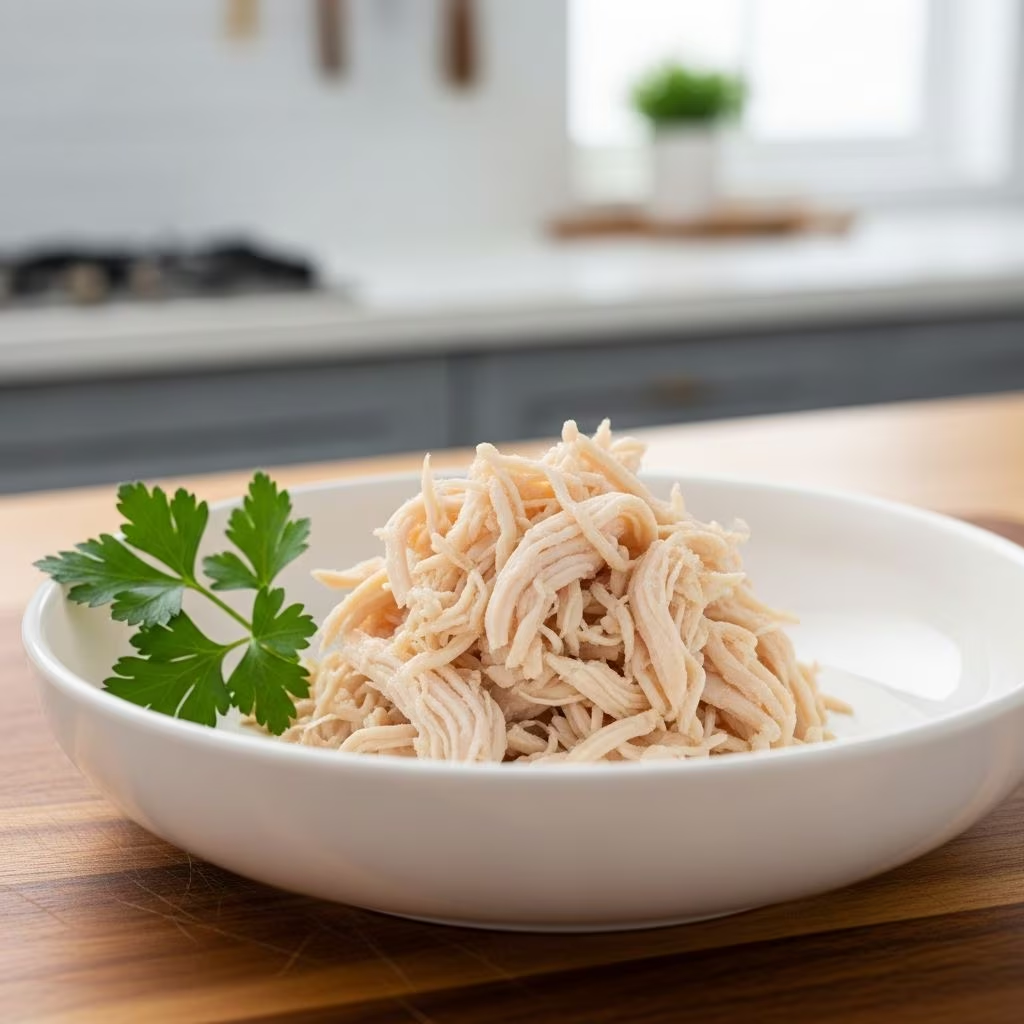
Chicken is a staple protein in many cat diets, loved by felines for its taste and nutritional value. As obligate carnivores, cats thrive on high-protein meats like chicken, which supports muscle growth, immune function, and overall health. However, preparing it safely requires avoiding seasonings, bones, and skin to prevent health issues. This guide covers benefits, cooking methods, recipes, risks, and tips for feeding chicken to your cat.
Why Cats Can Eat Chicken
Cats are obligate carnivores, meaning their bodies require nutrients exclusively from animal tissues. Chicken fits perfectly as a low-calorie, high-protein option commonly found in commercial cat foods.
- Boosts immune system: Rich in amino acids and vitamins that enhance immunity.
- Supports teeth, bones, coat, and skin: Provides phosphorus, calcium, and essential fatty acids.
- Maintains healthy weight: Low fat content helps prevent obesity.
- Builds muscle mass: High in complete proteins like taurine, vital for heart health.
- Promotes kidney, liver, and nervous system health: Balanced nutrients aid organ function.
These benefits apply to both humans and cats, but feline portions must be small and unseasoned. Always consult a vet before dietary changes, especially for cats with conditions like hyperthyroidism, where plain boiled chicken remains a healthy additive.
How to Safely Prepare Chicken for Cats
Key rules: Remove skin, fat, and bones (raw bones risk choking; cooked splinter). Cut into small pieces since cats don’t chew thoroughly. Discard uneaten cooked chicken after 1 hour, raw after 30 minutes. Offer plain—no salt, spices, oils, or sauces.
Best Cooking Methods
- Boiling: Safest and easiest. Cut boneless breast into 1-inch pieces, cover with water, boil until no pink remains (10-15 minutes). Cool thoroughly. Ideal for hyperthyroid cats.
- Baking/Broiling: Preheat oven to 350°F (175°C). Place skinless breast on a parchment-lined tray, bake 20-25 minutes until internal temp reaches 165°F. Shred or chop finely.
- Poaching: Simmer in water at 165°F for 3-4 minutes. Quick and retains moisture.
- Microwaving: Use a microwave-safe dish; cover pieces with water, cook on high 5-7 minutes, checking doneness.
- Raw (with caution): Use flash-frozen or HPP-pasteurized chicken to kill bacteria like Salmonella. Fresh organic is best, but risks remain; many vets advise against it.
Avoid frying, grilling, or rotisserie chicken due to high sodium, fats, and seasonings that can cause digestive upset or salt toxicity.
Chicken Recipes for Cats
Homemade recipes provide variety but aren’t complete diets—use as 10% of calories max. Consult a veterinary nutritionist for balance.
Basic Boiled Chicken Pâté
- Boil 1 lb boneless chicken breast until cooked.
- Shred and blend with cat-safe chicken broth (homemade, low-sodium).
- Portion into 1-2 tbsp servings; freeze extras.
Chicken & Vegetables
Vet-approved for occasional meals.
- 1 cup broiled chicken
- ¼ cup mashed steamed broccoli
- ¼ cup mashed steamed carrots
- Chicken broth as needed
Process into pâté-like consistency. Serve at room temp. Vegetables add fiber but limit to small amounts.
Low-Carb Chicken Meal (Vet-Designed)
For a 10-lb cat, weekly batch.
| Ingredient | Amount |
|---|---|
| Chicken breast (cooked, weighed) | 1,400g |
| Chicken hearts (cooked, weighed) | 200g |
| Hardboiled eggs (peeled, weighed) | 200g |
| Water/chicken broth | As needed for mixing |
- Boil eggs 4-5 min; poach chicken at 165°F 3-4 min.
- Grind all ingredients finely.
- Mix to pâté; divide into daily portions (≈85g per meal for adult cat).
This provides taurine and nutrients but tailor to your cat’s needs.
Chicken Broth Bonus
Homemade low-sodium broth from boiling chicken bones (discard bones after). Safe hydrator; avoid store-bought with onions/garlic.
Raw Chicken for Cats: Pros, Cons, and Safety
Debate exists: Some vets endorse raw for mimicking wild diets, others warn of bacterial risks (Salmonella, E. coli).
- Pros: Retains enzymes, nutrients; flash-freezing/HPP kills pathogens.
- Cons: Choking on bones; contamination if not fresh. Liver is okay in moderation.
- Safety Tips: Source organic, freeze immediately, thaw in fridge, serve fresh. Transition slowly.
Not for kittens, seniors, or immunocompromised cats.
Chicken Risks and What to Avoid
| Risk | Why Avoid | Safe Alternative |
|---|---|---|
| Bones | Splinter, choke, perforate gut | Boneless only |
| Skin/Fat | Obesity, pancreatitis | Skinless breast |
| Seasonings (salt, garlic, onion) | Toxicity, hypertension | Plain cooking |
| Rotisserie | High sodium/fat | Home-boiled |
| Raw (unprocessed) | Bacteria/parasites | Cooked or treated raw |
Allergies are rare but watch for itching/vomiting. Overfeeding leads to imbalance—chicken lacks full nutrition.
Feeding Guidelines and Tips
- Portion: 1-3% body weight daily if supplemental; treats <10% calories.
- Frequency: 2-3 times weekly; mix with kibble/wet food.
- Storage: Fridge 3-4 days; freeze 3 months.
- Transition: Introduce gradually over 7 days.
- Health Check: Vet approval for special needs cats.
Enhance with taurine supplements if primary protein source.
Frequently Asked Questions
Can cats eat raw chicken?
Possible if flash-frozen or HPP-treated, but many vets recommend cooked to avoid bacteria. Use fresh sources.
Is rotisserie chicken safe for cats?
No—high sodium and seasonings pose risks. Stick to plain home-cooked.
How much chicken can I give my cat?
As a treat: 1-2 tbsp daily max. Not a full diet.
Can I feed chicken to cats with hyperthyroidism?
Yes, boiled plain chicken is beneficial as a low-fat protein.
Is chicken liver okay raw?
In small amounts if fresh; limit to 5-10% diet to avoid vitamin A excess.
Conclusion
Cooking chicken for cats is simple and rewarding when done right. Boiling plain, boneless pieces offers a safe treat packed with benefits. Experiment with recipes, but prioritize balance and vet advice for your cat’s lifelong health.
References
- Can Cats Eat Chicken? Vet Approved Facts & FAQ — Catster. 2023. https://www.catster.com/nutrition/can-cats-eat-chicken/
- Is Cooked Chicken Good for Cats with Hyperthyroidism? Vet Approved — Catster. 2023. https://www.catster.com/nutrition/is-cooked-chicken-good-for-cats-with-hyperthyroidism/
- Can Cats Eat Rotisserie Chicken? Vet-Approved Risks & FAQ — Catster. 2023. https://www.catster.com/nutrition/can-cats-eat-rotisserie-chicken/
- 5 Homemade Cat Food Recipes (Vet Approved) — Catster. 2023. https://www.catster.com/nutrition/cat-food-recipes/
- Homemade Low-Carb Chicken Cat Food Recipe: Dr. Lucky’s Meal — Catster. 2023. https://www.catster.com/ask-the-vet/homemade-low-carb-chicken-cat-food-recipe/
- Can Cats Eat Raw Chicken? Vet-Reviewed Facts — Catster. 2023. https://www.catster.com/nutrition/can-cats-eat-raw-chicken/



