

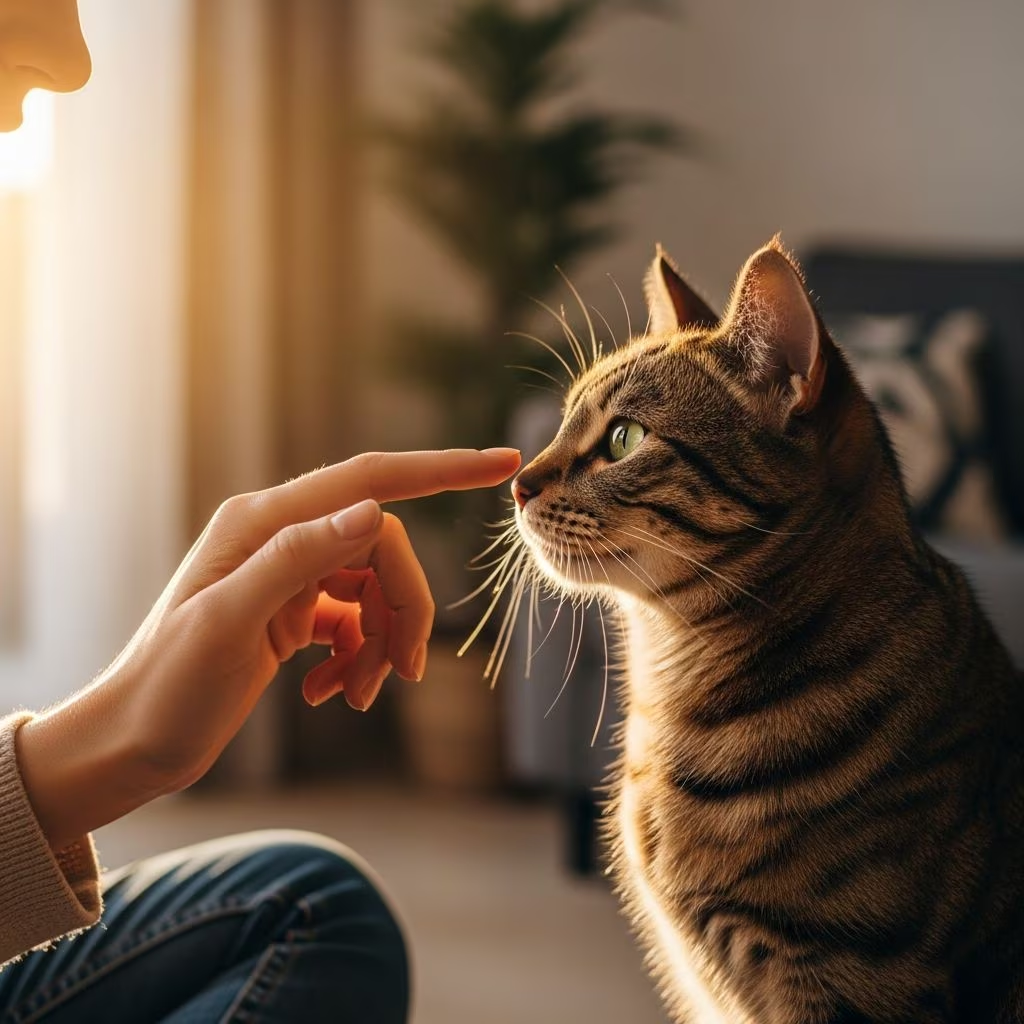
Cats are mysterious creatures, but they have a rich language of their own. By learning **how to communicate with your cats**, you can foster a stronger relationship, reduce misunderstandings, and ensure their happiness. Cats primarily use body language, vocalizations, touch, and scents to express themselves, often more subtly than dogs. This guide breaks down these methods, drawing from veterinary and behavioral experts, to help you “speak cat.”
Understanding Cat Body Language
**Cat body language** is the cornerstone of feline communication, conveying emotions from relaxation to aggression without a single sound. Observing posture, tail, ears, eyes, and whiskers provides immediate insights into your cat’s mood.
Body Postures
A relaxed cat often lies on its side with paws extended or sits with a loose tail, signaling comfort and openness to interaction. In contrast, a fearful cat crouches low, tucks its tail, and freezes to appear non-threatening. If cornered, it may arch its back, puff up fur (piloerection), and stand tall to intimidate. A stretched-out posture with belly exposed shows trust, though not always an invitation for rubs. Tense, balled-up positions indicate anxiety, pain, or defensiveness.
Tail Movements
The **tail** is a cat’s billboard for emotions. An upright tail signals confidence and friendliness, often with a slight curl at the tip. A upside-down U-shape during play shows excitement. Slow swishing indicates focus or hunting intent, while rapid flicking means irritation or overstimulation—back off. A low or tucked tail denotes fear or submission; wrapped around you or another cat, it’s affection like a hug. Side-to-side swishing with a puffed tail accompanies aggression.
Ear Positions
**Ears** forward and erect mean alertness and interest. Sideways or backward ears signal annoyance or uncertainty; flattened against the head indicate fear or aggression—give space. Swiveling ears show curiosity.
Eyes and Facial Expressions
Wide-open eyes with dilated pupils can mean excitement, fear, or aggression; narrow pupils suggest confidence or agitation. Slow blinking or half-closed eyes convey trust and relaxation—a “cat kiss” you can return. Direct stare often challenges dominance. Whiskers pulled back signal fear; forward-pointing ones show confidence or curiosity.
Other Behaviors
Body blocking subtly guards resources with a stare. Chasing is playful unless the pursued cat shows distress. Turning the back while sitting shows trust.
Cat Vocalizations
While cats meow mostly at humans, they use a variety of **vocalizations** with each other and owners, from friendly trills to warning growls.
- Purr: Typically contentment or self-soothing, but also during pain or stress.
- Meow: Rare between cats; for humans, it demands attention, food, or greeting.
- Trill/Chirrup: Friendly greeting or encouragement, like to kittens.
- Hiss: Threatened, warning to back off; reveals fangs.
- Growl: Low warning of discomfort, escalating if ignored.
- Yowl/Screech: Intense fear, pain, or territorial fights.
Context matters—purring during tense situations may indicate stress.
Physical Contact and Touch
**Physical touch** builds bonds through grooming (allogrooming) and rubbing, showing trust and affection. Cats snuggle for warmth, stress relief, and closeness. Head-butting (bunting) marks you with their scent glands, claiming you as family. Avoid forcing touch on tense cats; let them initiate.
Chemical Communication: Scent Marking
Cats rely heavily on **chemical signals** via pheromones from glands on cheeks, paws, and tail base. Rubbing objects or you deposits scent for territory and familiarity. Scratching releases scents too. Urine spraying (sideways stance) marks territory, more common in unneutered cats or stress. Flicking scents into air (Flehmen response) analyzes smells.
How to Respond and Communicate Back
To communicate effectively:
- Slow blink to show trust.
- Mimic gentle tail-up greetings.
- Offer a finger for cheek-rubbing.
- Use calm, high-pitched voices for positives; avoid loud noises.
- Respect signals—don’t approach flattened ears or swishing tails.
Play with toys mimicking prey to channel instincts safely. Multi-cat homes benefit from understanding hierarchies to prevent conflicts.
Common Mistakes in Cat Communication
Pet owners often misread signals:
| Mistake | Why It’s Wrong | Correct Approach |
|---|---|---|
| Assuming belly-up means “rub me” | It’s trust, but touch can trigger defense | Ask permission with a hand sniff first |
| Ignoring tail swish | Signals overload or irritation | Pause interaction |
| Staring directly | Seen as threat | Slow blink instead |
| Forcing cuddles | Invades space | Let cat approach |
Frequently Asked Questions (FAQs)
What does a swishing tail mean?
A slow swish shows focus; rapid flicking means irritation. Tucked or low indicates fear.
Why do cats meow at humans but not each other?
Meowing is learned for human interaction; cats prefer body language and other vocals among themselves.
Is purring always happy?
No, it can self-soothe during stress or pain.
How can I tell if my cat is in pain?
Look for tense posture, hiding, aggression, or unusual vocalizing.
Do cats communicate silently?
Yes, primarily via body language, scents, and subtle cues.
Building a Stronger Bond
Consistent observation and respectful responses enhance communication. Environmental enrichment like scratching posts aids scent marking, reducing stress. Consult vets for persistent issues, as health affects behavior. By tuning into these signals, you’ll enjoy a harmonious life with your feline friend.
References
- How Do Cats Communicate With Each Other? — PetMD. 2023-10-15. https://www.petmd.com/cat/behavior/how-do-cats-talk-to-each-other
- Understanding Cat Body Language and Their Tails — Sandwich Vets. 2026-01-05. https://www.sandwichvets.com/2026/01/05/understanding-cat-body-language-and-their-tails/
- The Definitive Guide to Cat Behavior and Body Language — Tuft & Paw. 2024-05-20. https://www.tuftandpaw.com/blogs/cat-guides/the-definitive-guide-to-cat-behavior-and-body-language
- Decoding Cat Body Language — Cat Care Society. 2023-08-12. https://www.catcaresociety.org/decoding-cat-body-language/
- Cat Communication — International Cat Care. 2024-02-10. https://icatcare.org/articles/cat-communication



